
Purbaya Responds to China Chamber of Commerce Complaints: Legal Businesses Will Not Be Interfered with by the Government
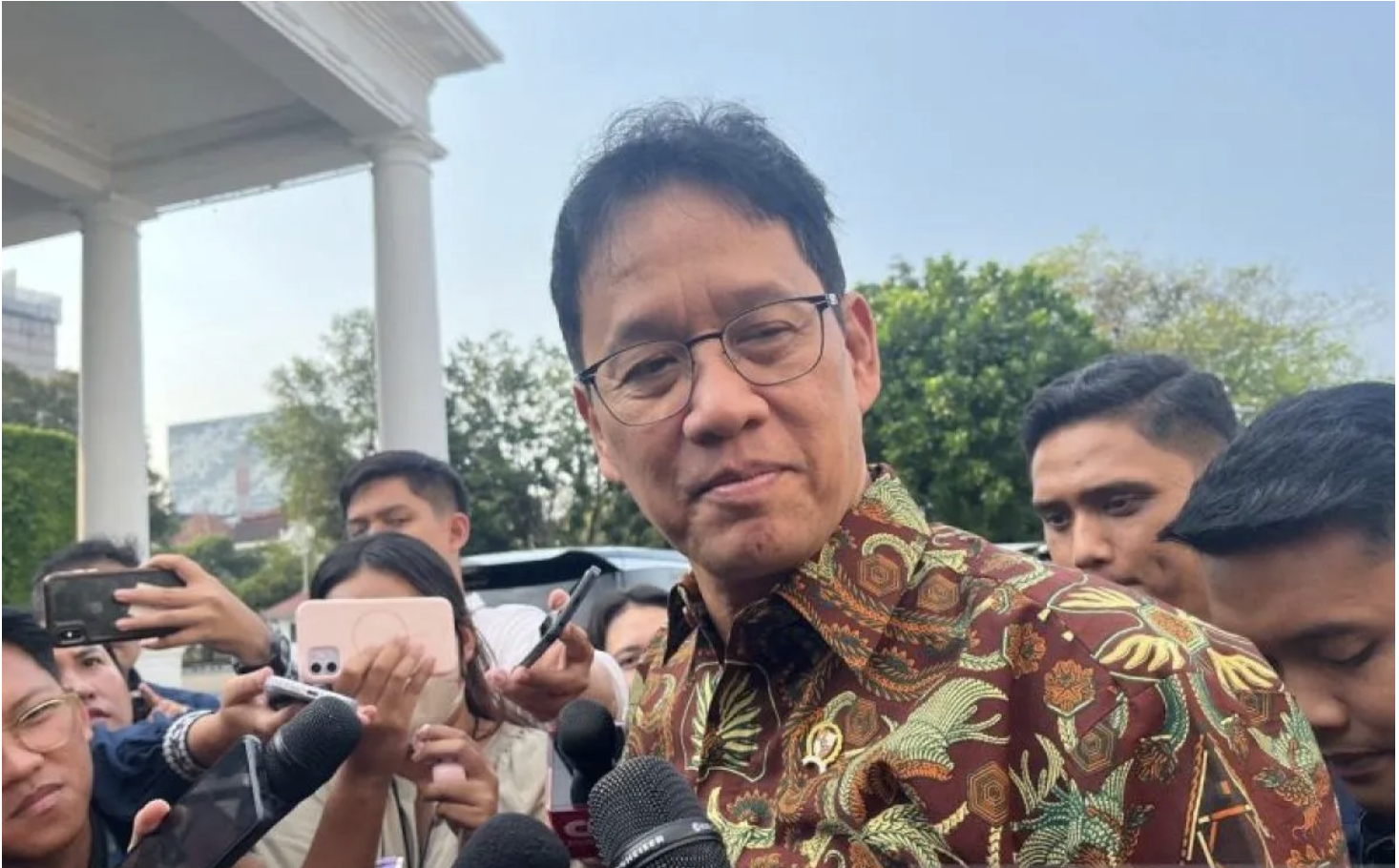
Jakarta — Finance Minister Purbaya Yudhi Sadewa has emphasised that the government will not interfere with investors’ business activities, including those from China, as long as they are conducted in accordance with applicable Indonesian laws. The statement was made in response to a letter from the China Chamber of Commerce addressed to Indonesian President Prabowo Subianto regarding the investment climate in Indonesia. “We will not disrupt anyone’s business here, as long as they operate legally. If it’s illegal, we will take action,” Purbaya said at the Attorney General’s Office complex in Jakarta on Wednesday (13/5/2026). He stressed that all business actors, both domestic and foreign, must comply with prevailing regulations, including obligations to the state. According to him, there is no reason for companies conducting legal business to feel worried. “If they do business legally, there’s no problem. So they don’t need to be afraid,” he said. Purbaya also stated that the government remains consistent in enforcing the law against violations in the business sector. Companies that fail to meet obligations or violate rules will face sanctions in accordance with regulations. “If they violate, they must pay according to the rules. But if not, just relax,” he said. He revealed that he had previously discussed the issue with representatives of the Chinese government, including the Chinese Ambassador to Indonesia. Meanwhile, in the letter sent to the President, Chinese investors expressed several concerns about government policies deemed potentially affecting the investment climate. Some highlighted points include the planned policy on retention of foreign exchange from natural resource exports (DHE SDA), increases in mineral royalties, reductions in nickel ore export quotas, and tighter work visa supervision. One of the main issues is the proposed DHE SDA regulation requiring 50 percent of export proceeds to be placed in state-owned banks for one year. This policy is seen as potentially affecting company liquidity, particularly for exporters in the natural resources sector. Chinese investors also claim to have made significant contributions to Indonesia’s economy, including job creation, industrial development, and corporate social responsibility efforts. They assess that several of these policies could disrupt business operations and raise concerns about the sustainability of long-term investments in Indonesia.