
Purbaya Monitors Indonesia's Entry Points: Illegal Goods Reportedly Surging Again
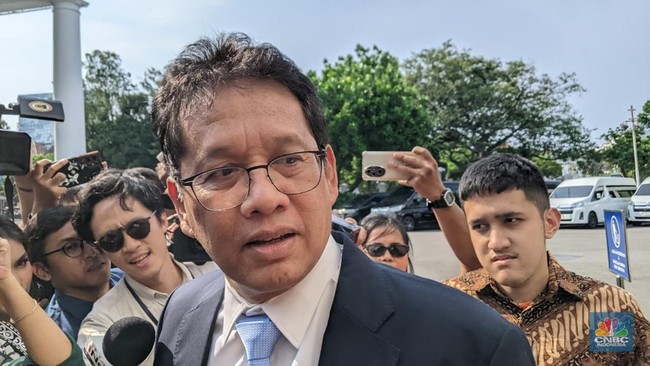
Jakarta, CNBC Indonesia - Finance Minister Purbaya Yudhi Sadewa has prepared a series of strategies to maintain the trend of rapid economic growth in Indonesia in the second quarter of 2026. As is known, the Indonesian economy grew by 5.61% in the first quarter of 2026, marking the fastest annual growth since the third quarter of 2022. “So the key to growth in Q2 is to maintain people’s purchasing power, secondly to continue ramping up government spending. Then we streamline the business system here, so we improve the investment climate,” Purbaya said in the Kebon Sirih area, Jakarta, on Thursday (7/5/2026). One of Purbaya’s focuses in maintaining the growth trend is to keep the business climate in Indonesia healthy. This is because he sees a trend of illegal imported goods entering from abroad becoming rampant again. “I’m ramping up again the guarding of the domestic market from illegal goods which are reportedly becoming quite prevalent now. Even though Customs has been working harder than before, that’s the main thing,” Purbaya stressed. Purbaya’s previous efforts to prevent the entry of illegal imported goods have received support from the Head of the Indonesian Maritime Security Agency (Bakamla RI), Rear Admiral TNI Irvansyah. He has even held a meeting with Purbaya to strengthen Bakamla’s role in securing state revenues, particularly in Indonesia’s waters. Irvansyah invited Purbaya to synergise customs supervision efforts in the Directorate General of Customs and Excise (DJBC) with Bakamla, especially through Indonesia’s sea routes. “To strengthen Bakamla as well as to explore cooperation between Bakamla and Customs to secure and increase state revenues. To reduce leakage at sea,” Irvansyah said when met after the meeting. One form of cooperation he proposed to Purbaya is joint sea patrols and sharing information on illegal activities in Indonesia’s waters. “That’s the hope. The hope is that we are involved, included, joined. Especially at sea. If it’s on land, we’re limited. It’s the Maritime Security Agency, not land security,” he stressed. According to Irvansyah, Bakamla has so far been involved in taking action against various smuggling activities on sea routes. Although he did not want to disclose the value of securing potential state losses that have been addressed, he only mentioned one case related to smuggling of textiles from neighbouring countries. There are also smuggling of livestock, narcotics, and children’s toys. “In 2025, yes, starting from around 2024. Textiles and used clothes, mostly from Malaysia,” Irvansyah stressed.