
Purbaya Halts New Budget Requests, Ministries and Agencies Urged to Enhance Efficiency
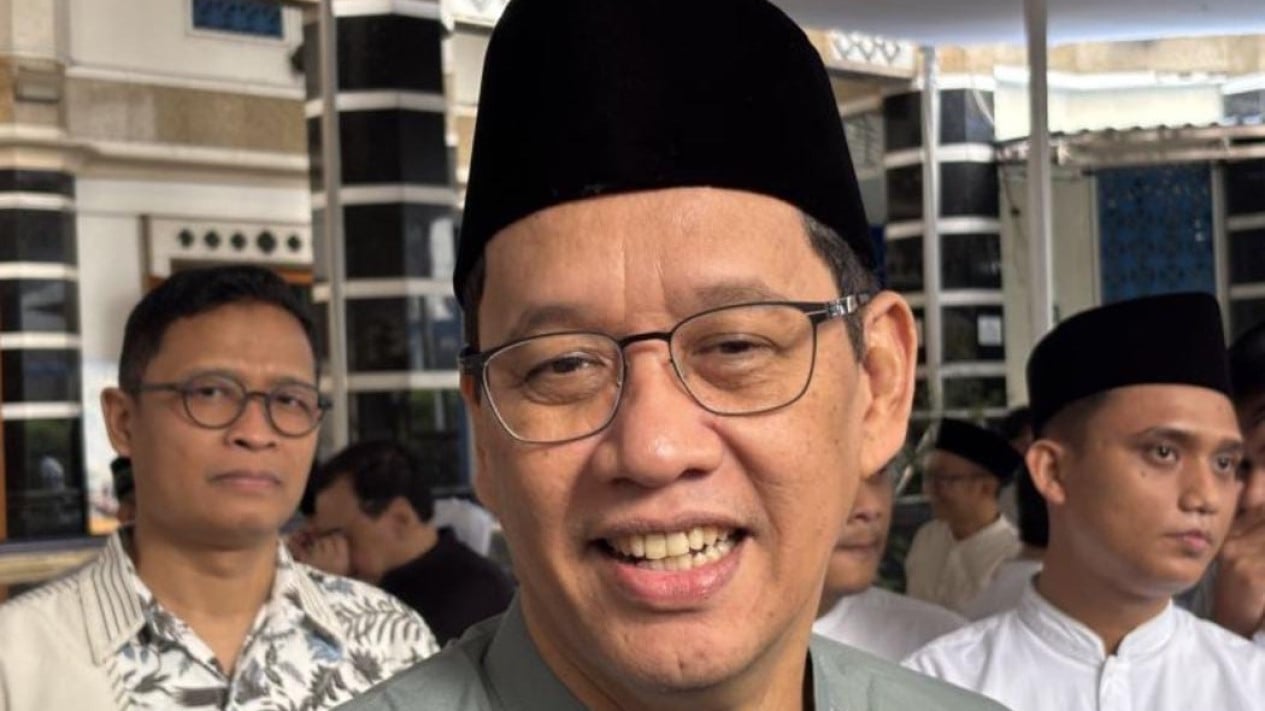
The government is taking firm steps to maintain fiscal stability by limiting new budget submissions from ministries and agencies (K/L). This policy comes amid rising global pressures, particularly due to geopolitical dynamics in the Middle East that could affect the national economy.
Finance Minister Purbaya Yudhi Sadewa emphasised that additional budget requests will be tightened as part of a strategy to preserve the health of the State Revenue and Expenditure Budget (APBN).
“I will limit new budgets; do not submit any more,” Purbaya told reporters at the Directorate General of Taxes office, Ministry of Finance, Jakarta, on Saturday, 21 March 2026.
This policy runs parallel to efforts to enhance government spending efficiency across all ministries and agencies. Initially, the government targeted a 10% budget cut for each ministry and agency.
However, that figure is still under review and further discussion. Purbaya explained that this efficiency approach has not gone smoothly in the initial stage.
“We are calculating for all ministries. Initially, we proposed they submit (efficiency measures for) 10%. But when I offered it to them, they did not cut but kept adding. So, I said, I will make the cuts, and they can adjust accordingly. The percentage is still being discussed,” he clarified.
Despite the restrictions and efficiency measures, the government assures that priority state spending will proceed as planned. This is crucial to maintaining liquidity in the national economic system to keep it stable.
“We ensure that government spending which must be disbursed is done on time. Not the ones being cut. We ensure liquidity in the economic system is well maintained. I monitor that daily at our office,” he stated.
In this efficiency process, the Ministry of Finance will conduct a review of various spending components deemed postponable. The main focus is on programmes that do not significantly impact economic growth or have low acceleration rates.
According to Purbaya, various operational expenditures will also be targeted for evaluation, including non-urgent internal activities. “All sorts. Unclear meetings, or policies with slow or minimal impact on economic growth, we can postpone,” he said.