
Purbaya: Government Enters 'Survival Mode' to Maintain High Growth and Purchasing Power
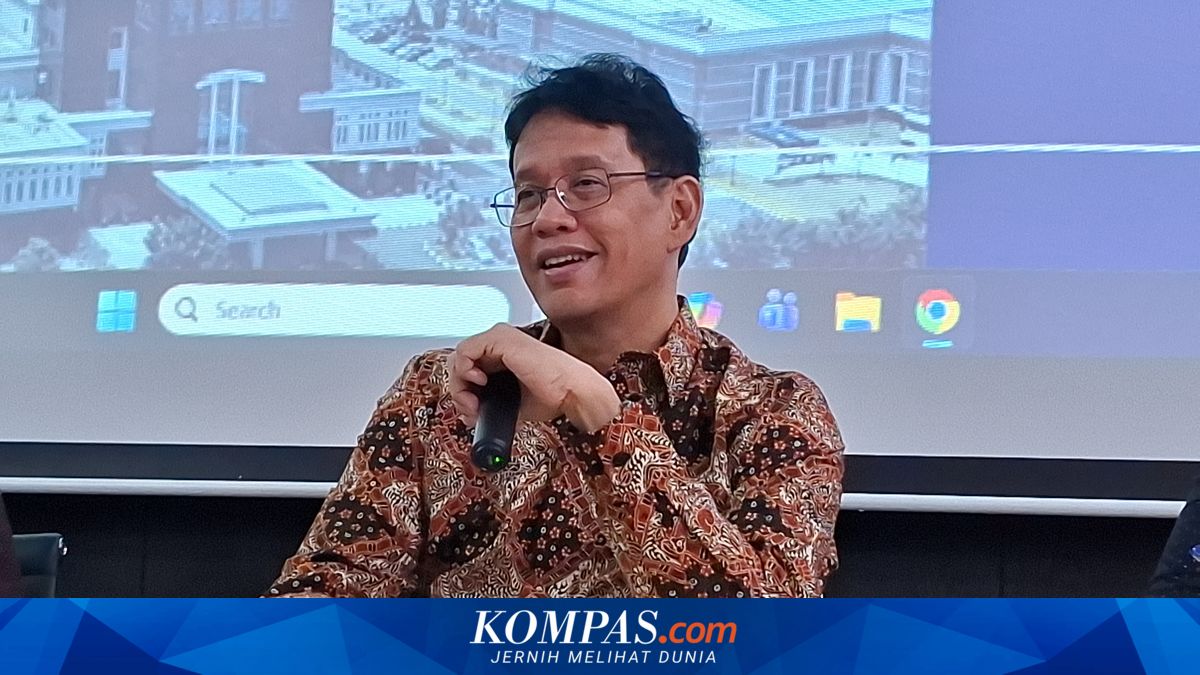
JAKARTA - The government is changing its approach to managing the economy amid global pressures. Finance Minister Purbaya Yudhi Sadewa stated that policy directions are no longer proceeding as usual but have entered a ‘survival mode’ to keep growth high. “I want to explain that in the President’s mind, we are now in a survival situation, so it’s not business as usual,” he said at the PT SMI 2026 Symposium in Jakarta. This approach, according to Purbaya, aligns with President Prabowo Subianto’s directives to optimise all national resources to pursue an economic growth target of up to 8 per cent. In this situation, the government is beginning to deploy various instruments more aggressively, including forming several task forces to secure state revenues and expenditures, while also improving the business climate. “So if you look, there is the Satgas PKH (Forest Area Regulation Task Force) where encroachments and deviations in forest areas are being addressed; that is a serious step by the President,” he explained. According to Purbaya, the government is no longer allowing half-hearted policies. “I emphasise here that we are in survival mode. Everything must be carried out to the maximum. No more messing around,” he stressed. On the policy side, the government continues to promote priority programmes such as infrastructure development, strengthening energy resilience, and regional economic development. Budget efficiency and increasing industrial capacity are also priorities, including through downstreaming and developing export-based chemical sectors. To maintain stability, the government is also accelerating energy source diversification to avoid dependence on one or two suppliers amid global disruption risks. “If all this runs smoothly, investments will come in, and job opportunities will also open up,” said Purbaya. Around 90 per cent of the national economy, he said, is still driven by domestic consumption. Therefore, maintaining people’s purchasing power is key to keeping the economy growing amid global pressures. As a comparison, Purbaya recalled that during the 2009 global crisis, Indonesia still managed to grow by 4.6 per cent when many countries experienced contraction. Meanwhile, Indonesia is projected to continue growing in 2026. The Asian Development Bank remains optimistic in forecasting Indonesia’s 2026 economic growth between 5.1 per cent and 5.2 per cent. Similarly, the IMF also sets Indonesia’s 2026 economic growth at 5.1 per cent.