
Purbaya Extends Placement of IDR 200 Trillion in Banks, OJK: Increases Liquidity and Lowers Interest Rates
JAKARTA, KOMPAS.com - The government’s decision to extend the tenor of the IDR 200 trillion SAL (Surplus Budget Allocation) fund placement in banks is believed to increase liquidity and create room for banks to lower their lending rates.
The tenor of the SAL fund has been extended for the next six months, from its previous expiry date of 13 March 2026.
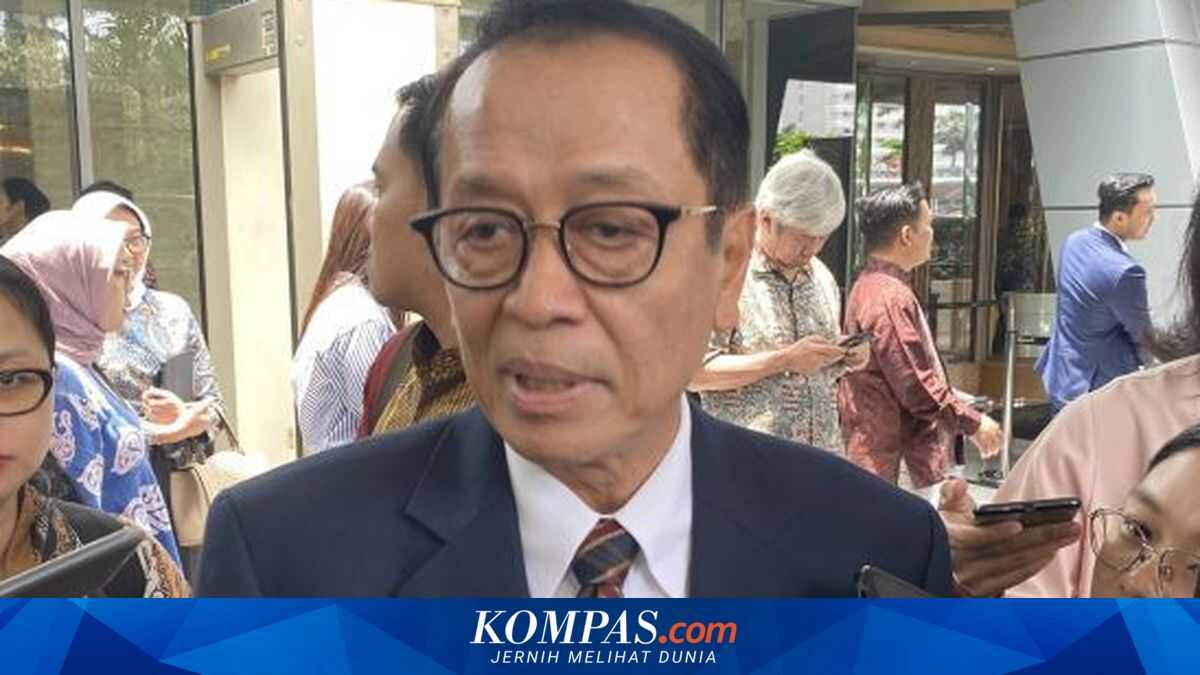
The Head of Banking Supervision at the OJK (Financial Services Authority), Dian Ediana Rae, said that this policy is positive because it directly increases liquidity in the banking system.
When liquidity increases, banks have more flexibility in managing their funds.
“This is actually positive in the sense that it certainly increases liquidity. And increasing liquidity also helps to bring down interest rates,” said Dian when met at the Mandarin Hotel Jakarta, Thursday (26/2/2026).
With abundant liquidity, competition among banks to attract third-party funds (DPK) is no longer as intense as before.
Banks do not need to offer special rates to attract public funds.
According to him, the aggregate trend of funding costs has begun to decline, and this is reflected in the decline in average interest rates in the banking sector.
“This is also important, because if liquidity increases, competition for funds will decrease. Banks do not need to negotiate with special rates. Now, the average funding rate is decreasing, and the interest rates are also decreasing, in aggregate, it has decreased,” he explained.
He believes that the initial six-month period was not sufficient to encourage optimal financing. In his view, almost no financing scheme, including credit for the micro, small, and medium-sized enterprises (MSME) sector, can be effectively implemented in just six months.
Most financing projects have a minimum cycle of one year, so they require longer-term liquidity certainty.
Therefore, the extension of the tenor is considered a necessary step.
“Actually, from the beginning, when I first met with the Minister of Finance, I said that six months was not enough. Because I don’t think there is any financing, including financing for MSMEs, that can be implemented in six months. These projects definitely have an annual cycle, so I said that it was good to extend it,” said Dian.