
Purbaya: EV Incentives to Curb Fuel Imports Amid High Global Oil Prices
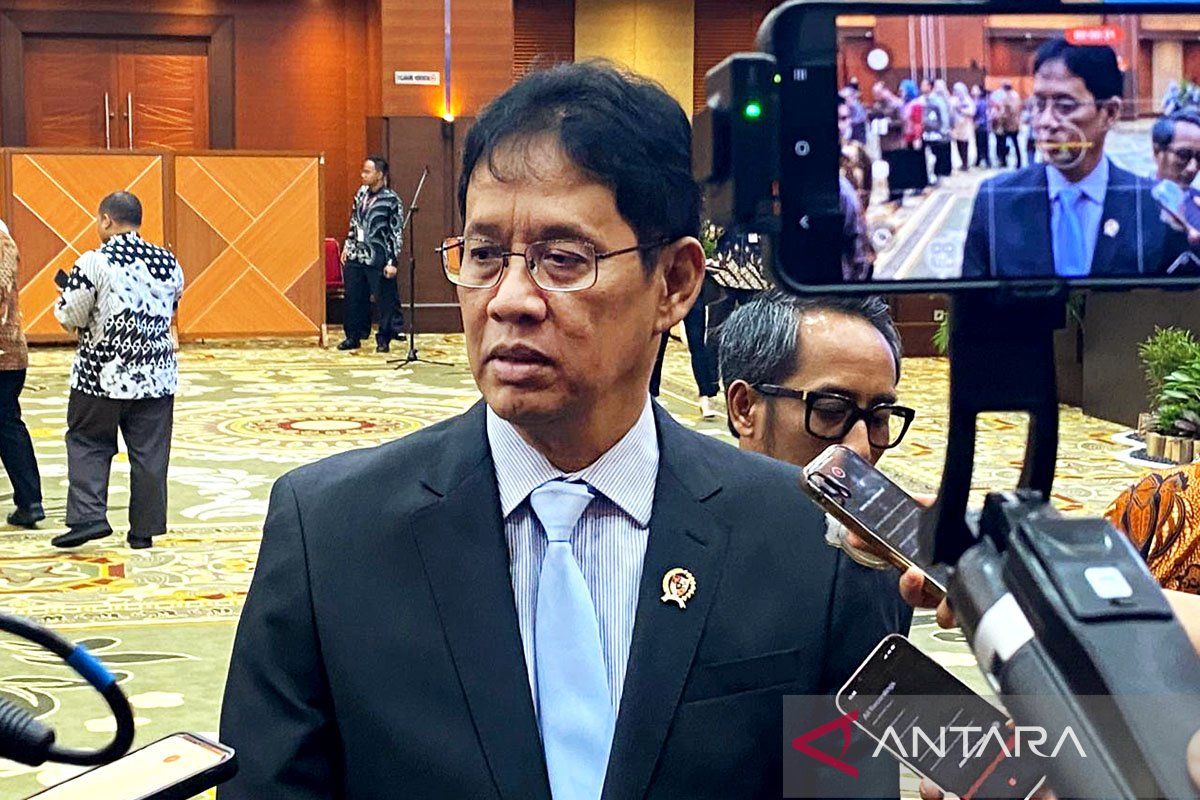
Finance Minister Purbaya Yudhi Sadewa stated that incentives for electric vehicles (EVs) are being provided to curb fuel oil (BBM) imports amid global oil prices expected to remain high in the coming months.
He predicted that world oil prices will not fall soon, in line with the ongoing conflict between the United States (US) and Israel with Iran, which is believed to be prolonged.
“It seems the war will be long. That means our fuel consumption will also remain high and at higher prices. If I can shift to electricity (through electric vehicle incentives), it will significantly reduce our imports (of BBM),” Purbaya said at the Ministry of Finance office in Jakarta on Tuesday.
Purbaya also reminded that PLN’s electricity system has a take-or-pay mechanism, where PLN still pays generators according to contracts even if not all electricity is absorbed.
This excess capacity condition is seen as optimisable through the use of electric vehicles to reduce BBM consumption and energy imports.
When asked about the duration of the conflict based on the Ministry of Finance’s projection, Purbaya assessed that the conflict scenario could end around September, in line with the US general election agenda.
However, he said it is possible the conflict could last longer than the projection, so the Indonesian government will continue to monitor developments and implement savings in the coming months.
In the Financial System Stability Committee (KSSK) press conference on Thursday (7/5), Purbaya targeted EV incentives, both for electric motorcycles and electric cars, to be implemented starting in June 2026, leading to a decline in BBM consumption.
“The budget will be calculated and prepared. Clearly, I want it to be implemented from early June,” Purbaya said.
Purbaya emphasised that the purpose of the electric vehicle incentive policy is to change public consumption patterns, from previously using BBM to using electricity.
Thus, he continued, Indonesia’s BBM and crude oil imports could decrease.
“It helps our economic resilience, so don’t look at the subsidy. The main goal is that, so we are more resilient economically from the energy side,” Purbaya said.
The electric vehicle incentives being prepared are 100,000 units of cars and 100,000 units of electric motorcycles this year.
For electric motorcycles, Purbaya budgeted Rp5 million per motorcycle. Meanwhile, for electric cars, the incentive is in the form of Value Added Tax Borne by the Government (PPN DTP) of 40-100 percent for electric vehicle purchases.
The PPN DTP incentive is specifically for EV vehicles, not covering hybrid vehicles. The amount of the incentive will be determined based on the battery used, divided into nickel and non-nickel batteries.