
Purbaya Determined to Revive Indonesia's Dream Through This Policy
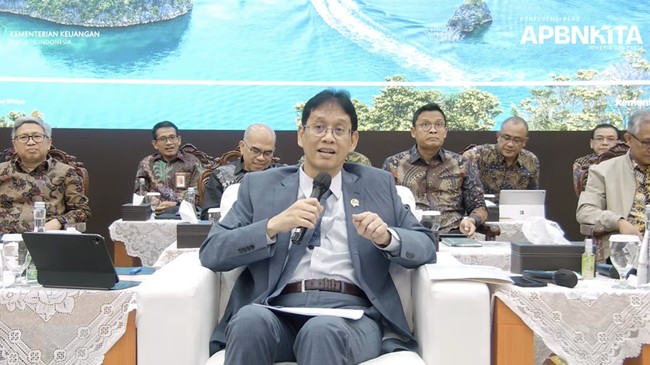
Jakarta, CNBC Indonesia - Finance Minister Purbaya Yudhi Sadewa has expressed his ambition to revive the use of nickel-based electric vehicles. To that end, Purbaya will push for purchase incentives for electric cars in the form of government-borne value added, or VAT exemptions of 40%-100%. This policy will be launched in June 2026. Purbaya stated that this policy is launched to support the use of nickel in the automotive industry. He revealed that he once read an article in The Economist stating that Indonesia’s dream is shattered because Chinese electric vehicle manufacturers no longer use nickel batteries. “Why am I heading in that direction? Because I once read in The Economist, if I’m not mistaken, that Indonesia’s dream about batteries is shattered because China doesn’t use nickel,” he told reporters on Wednesday (6/5/2026). According to Purbaya, this article impacts Indonesia’s nickel downstreaming. He is determined to reverse this situation by reviving Indonesian nickel. “I want to ensure our dream can continue to live. We can maximise the use of our natural resources. Am I allowed to say that? Sure,” he said. As a note, Indonesia’s nickel downstreaming and development of nickel-based EVs, which is the country’s dream, often receives criticism from various parties. Earlier this year, The Economist published an article criticising Indonesia’s electric vehicle industry policy titled “Just because Indonesia has nickel doesn’t mean it should make EVs.” They wrote about the nickel export ban policy that has proven successful, but cannot be applied to the electric vehicle industry. The Economist assessed that the new government under Prabowo Subianto’s leadership wants to go further. It is said that people around Prabowo dream of building an electric vehicle supply chain from top to bottom, on the grounds of natural resources. However, The Economist remains sceptical about the plan. Because the strength of nickel as a key raw material for EV batteries is not the same as the entire electric vehicle supply chain. The site wrote that raw materials are only a small part of EV costs. Indonesia is also said to be less attractive in other factors compared to Vietnam and Thailand, for example, in terms of logistics capacity and local knowledge. The media also emphasised that nickel-based batteries, which are more expensive, are not what local consumers want. They prefer cheaper lithium batteries. One of the highlighted points is the high cost of realising this dream. Although finances are healthy, there will be a heavy fiscal burden. A supply chain that might be created, but on the other hand, the costs could far outweigh the benefits obtained. Foreign car manufacturers expected to train local talent also cannot be fully relied upon, because the scale is not large. Human resources that lack expertise may lead foreign companies to bring in foreign workers with high skills.