
Purbaya Clarifies Strait of Malacca Tax Issue, Not a Serious Context
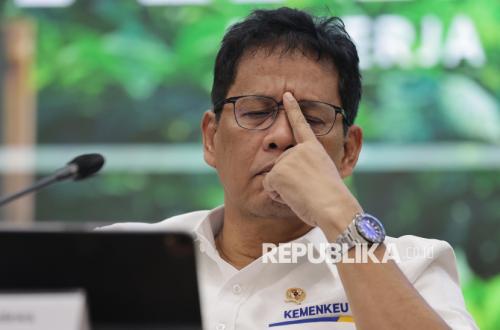
REPUBLIKA.CO.ID, JAKARTA — Finance Minister Purbaya Yudhi Sadewa has emphasised that there are no plans to impose taxes on ships passing through the waters of the Strait of Malacca. This clarification addresses reports suggesting he had proposed the collection of tax tariffs in that area.
“That was not in a serious context. We have never planned to collect (taxes),” Purbaya told reporters in Jakarta on Friday (24/4/2026).
Purbaya assured that he understands the agreement of the United Nations Convention on the Law of the Sea (UNCLOS).
He understands this due to having handled it as Deputy for Coordinating Maritime Sovereignty and Energy in the Coordinating Ministry for Maritime Affairs and Investment from May 2018 to September 2020.
One important point of UNCLOS is the freedom of navigation. In this context, Purbaya guarantees that Indonesia upholds maritime law in those international waters.
“In the freedom of navigation, we are obliged to allow ships passing through our EEZ (Exclusive Economic Zone), and we must even maintain security there,” Purbaya explained.
The state treasurer once again underlined that Indonesia will not violate international law that has been ratified.
“We have ratified UNCLOS and we will uphold the law that we have signed,” he stressed.
Previously, Indonesian Foreign Minister Sugiono stated that Indonesia will not impose tariffs in the Strait of Malacca.
He emphasised that Indonesia respects international law, particularly the United Nations Convention on the Law of the Sea (UNCLOS).
In this regard, the Strait of Malacca is one of the international shipping lanes and is lawful to pass through according to Articles 37, 38, and 39 of UNCLOS, which has been ratified by Indonesia.
According to Sugiono, UNCLOS is an agreement that recognises Indonesia as an archipelagic state as long as the country does not impose tariffs in the straits within its territory.
Sugiono also emphasised that Indonesia supports freedom of navigation and hopes for smooth, free, and mutually beneficial maritime traffic.