
Pupuk Indonesia: Urea Fertiliser Supply Secure Despite Turmoil in the Strait of Hormuz
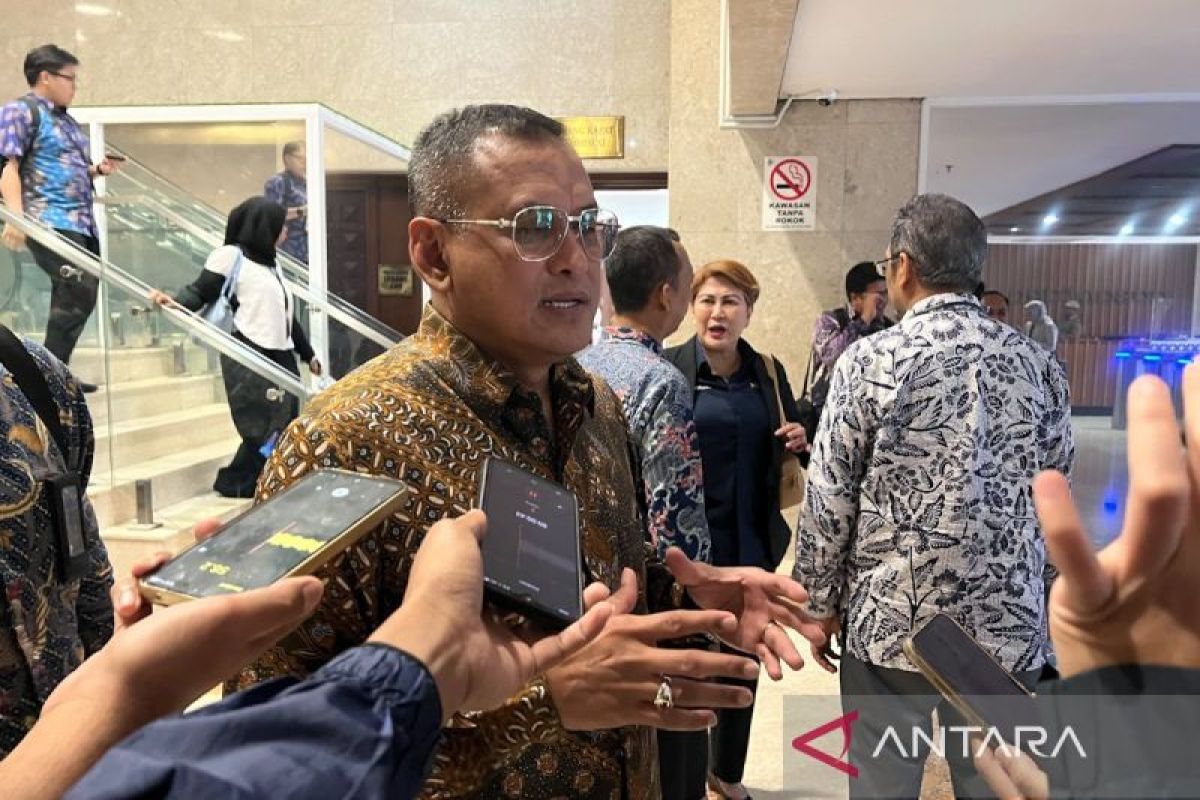
Jakarta (ANTARA) - PT Pupuk Indonesia (Persero) has ensured that the national supply of urea fertiliser to support domestic agriculture remains secure, despite the conflict in the Strait of Hormuz disrupting global trade routes.
Pupuk Indonesia’s President Director, Rahmad Pribadi, stated that the conflict in the Strait of Hormuz impacts both the energy route and the global fertiliser trade route, but Indonesia is assured to be safe.
“Insya Allah, Indonesia is safe because the urea is produced domestically. In fact, today Indonesia can become a stabiliser or even a saviour of the global food ecosystem,” Rahmad said during a working meeting with Commission XI of the House of Representatives (DPR RI) in Jakarta on Thursday.
He explained that around 30 percent of the world’s fertiliser trade passes through the Strait of Hormuz, with a volume of approximately 4 million tonnes per month, consisting of urea, sulphur, and various other types of fertiliser.
Of that total volume, around 1.5 million tonnes is urea, 1.5 million tonnes is sulphur, and about 1 million tonnes consists of various other types of fertiliser, including methanol. However, Indonesia remains safe because domestic urea production is sufficiently high.
Pupuk Indonesia stated that the national urea production capacity reaches 8.8 million tonnes operationally from an installed capacity of 9.4 million tonnes, although some production facilities are already old.
With that capacity, domestic urea fertiliser needs are deemed secure despite global disruptions affecting the international supply chain, particularly from the Strait of Hormuz region.
He mentioned that global urea prices have experienced a significant increase from previously around $400 US per tonne to $800 US per tonne, or doubling due to current global geopolitical dynamics.
Nevertheless, Pupuk Indonesia emphasised that Indonesia does not experience disruptions in meeting urea fertiliser needs because most production is carried out domestically.
For other fertiliser commodities, potential disruptions are assessed to be more due to shipping factors, but global phosphate and potash producers have assured that there are no production disruptions in their regions.
“Once again, we emphasise that regarding our fertiliser, there are no disruptions, especially in the sufficiency of urea fertiliser which is indeed disrupted (in the Strait of) Hormuz,” he said.
“The other possibilities, if affected at all, would be due to freight factors, but we just returned from the fertiliser conference (in Bali) and many phosphate and potash suppliers were present, all assuring that there are no production disruptions in their areas,” Rahmad added.
Pupuk Indonesia also assured that the needs for urea fertiliser, both subsidised and non-subsidised, remain fulfilled, with the highest retail price having decreased by 20 percent and no plans for any increase.