
Pupuk Indonesia Ensures Fertiliser Production Is Safe Amid Hormuz Strait Crisis
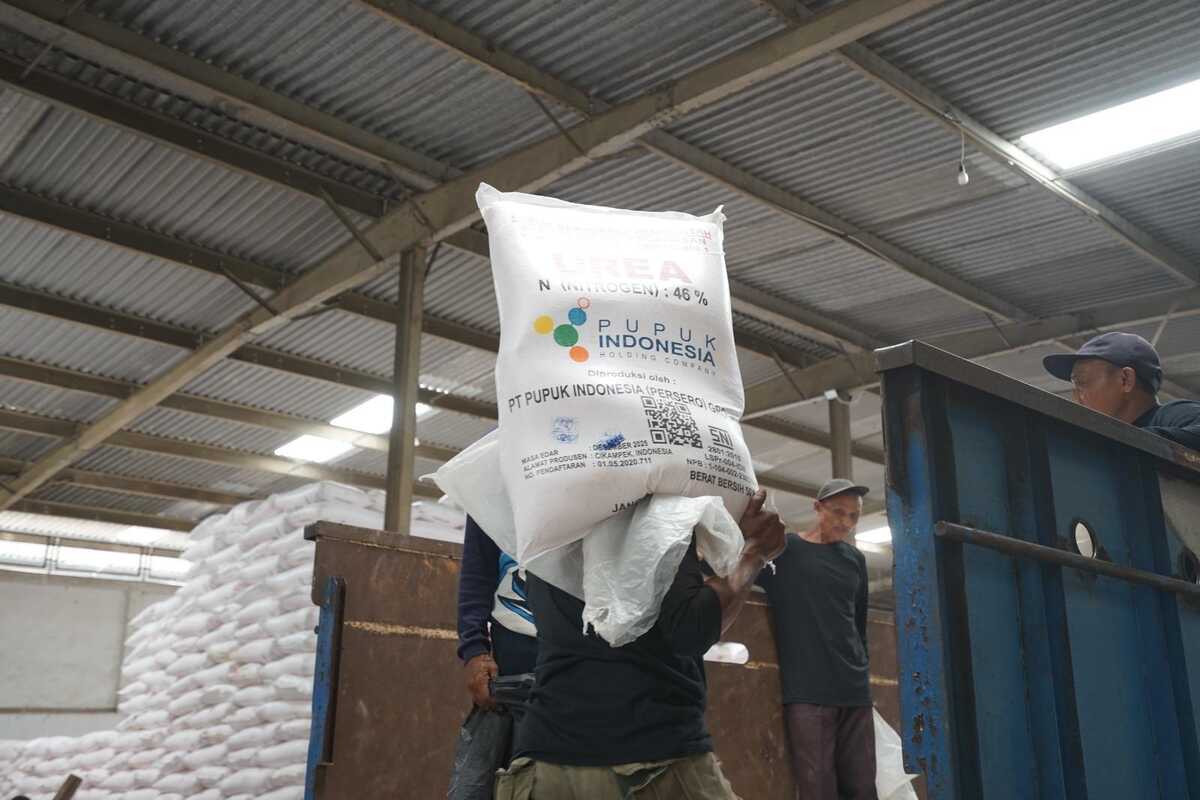
The Corporate Secretary of PT Pupuk Indonesia (Persero), Yehezkiel Adiperwira, has affirmed that the Middle East conflict is not significantly impacting the company’s operations or domestic fertiliser feedstock supplies. He explained that Pupuk Indonesia produces two main fertilisers: urea and NPK fertilisers. The raw material for urea fertiliser comes from domestically sourced natural gas, and is thus not affected by geopolitics in the Middle East. “For this time, the Hormuz Strait crisis does not have a direct significant impact on Pupuk Indonesia. Our urea fertiliser is safe because its feedstock comes from natural gas available domestically,” Yehezkiel said at a Ramadan Iftar gathering with Pupuk Indonesia in Jakarta, on Friday 6 March. Meanwhile, for NPK fertilisers which require phosphate and potassium, the company imports from countries not in conflict zones. Phosphate is sourced from North Africa regions such as Morocco and Algeria, while potassium (KCl) is supplied from Belarus, Russia, and Canada. “Operationally, thankfully, we remain safe and our raw material stocks should last for about six to seven months,” he said. Nevertheless, Yehezkiel acknowledged a potential rise in logistics or freight costs as global oil prices may increase due to geopolitical tensions. “What may concern us is the potential increase in freight costs because they typically correlate with higher world oil prices,” he said. On the other hand, Yehezkiel assured the availability of national fertilisers, especially for the subsidised fertiliser programme, remains safeguarded. In 2026, the government tasked Pupuk Indonesia with distributing subsidised fertiliser amounting to 9.84 million tonnes, up from the previous year’s 9.55 million tonnes for the agricultural sector, with an additional allocation of around 280,000 tonnes for the fisheries sector. To date, subsidised fertiliser distribution has reached around 1.7 million tonnes, about 18% of the year’s total target. “This achievement is very significant, and I would even say the highest in five years,” Yehezkiel noted. He attributed the increase in distribution to several factors, including a 20% reduction in the Highest Retail Price (HET) for subsidised fertiliser, improving farmers’ purchasing power, the onset of the first planting season of 2026 as the rainy season begins in various regions, and the government’s deregulation of subsidised fertiliser policies. “Regulations, which previously numbered 145, have now been trimmed, making the fertiliser redemption process simpler,” he said. Yehezkiel emphasised that Pupuk Indonesia remains committed to ensuring subsidised fertiliser supplies for farmers, even with potential increases in fertiliser prices on international markets. “Our commitment as the national fertiliser producer and operator of the subsidised fertiliser mandate is to ensure Indonesian farmers have full access to fertiliser, especially for this planting season,” he concluded.