
Public Transport Trends Depend on Infrastructure
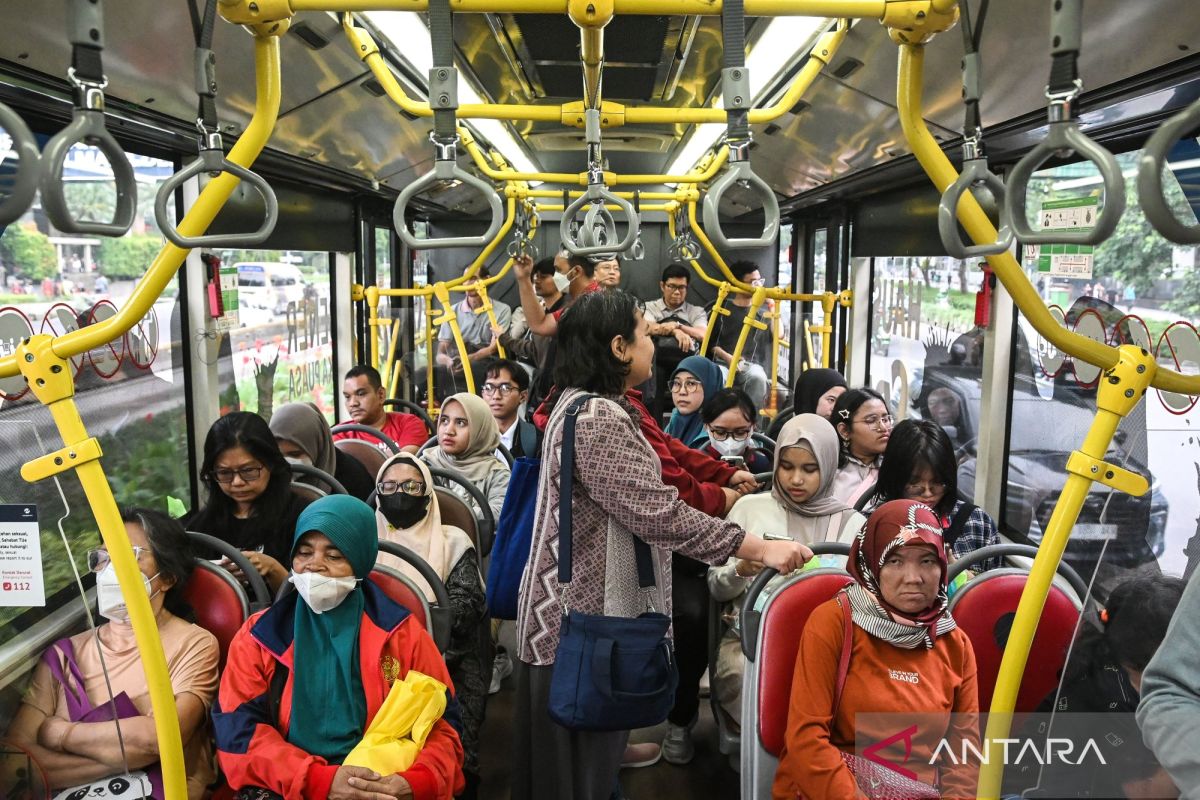
Jakarta (ANTARA) - Transjakarta passenger numbers are projected to reach a record high of 413.3 million in 2025, an increase of 41.6 million from the previous year, and double the 191 million users in 2022.
The average daily ridership is expected to exceed 1.4 million in 2025, with over 80 percent coming from Generation Z and Millennials.
MRT Jakarta has also recorded similar growth, with total passenger numbers reaching 45.41 million in 2025, or an average of 100,000 passengers per day throughout the year, up from 91,000 per day in 2023.
This data is often cited as evidence that young Indonesians are increasingly turning to public transport. However, interpreting this trend without considering the context could lead to premature conclusions. Jakarta is not representative of Indonesia as a whole.
The surge in passenger numbers in Jakarta is not due to a sudden increase in collective awareness. Instead, it is the result of Transjakarta’s route expansion, which now serves 233 routes, the revitalisation of 46 out of 271 BRT (bus rapid transit) stops, integration with MRT, LRT and feeder operators, and a digital payment system that reduces queuing times. In other words, the service has been improved and continuously enhanced, and people are responding to these improvements.
The interest of Generation Z in transport connectivity is also reflected in property data. A May 2023 survey by Jakpat, an online survey platform, of 1,194 Gen Z respondents showed that 65 percent prioritise strategic locations, close to the city centre, business districts or public transport, when choosing accommodation.
A survey by Cove, a co-living provider, recorded even more specific figures, with six out of 10 Gen Z in Jakarta considering moving house simply to reduce their daily commute time.
The price of renting property within a radius of less than 500 metres from a transit point has even increased by five to 10 percent compared to similar properties further away. This is not an abstract preference, but a pattern that is beginning to emerge as adequate public transport facilities appear and influence cost of living calculations.
A different national scale