
Public Transport in Agony, School Dropout Rates Skyrocket: Demanding Prabowo-Gibran's Promises
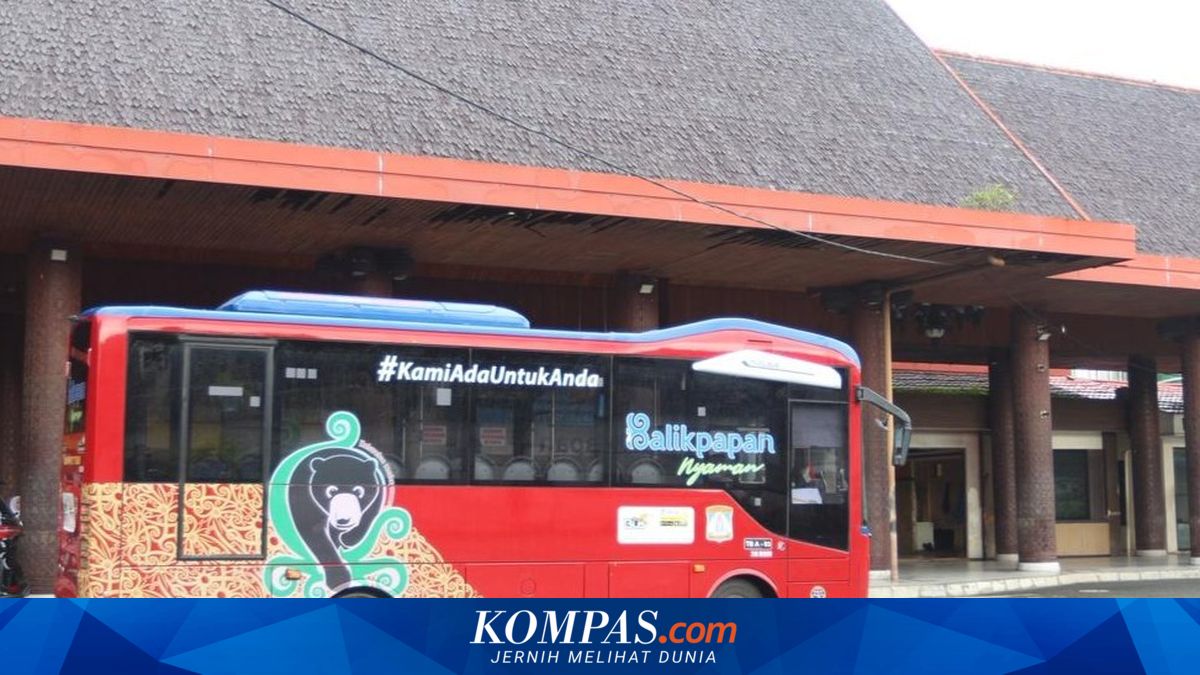
JAKARTA, KOMPAS.com – The crisis in public transportation across various regions in Indonesia has reached a worrying point. This phenomenon is no longer just an issue of traffic jams or hindered mobility, but a real threat to the future of the younger generation, especially in the education sector. Academic from the Civil Engineering Programme at Unika Soegijapranata and Expert Council Member of the Indonesian Transport Society (MTI), Djoko Setijowarno, emphasised that the government can no longer turn a blind eye to the increasingly widespread social impacts due to the absence of the “people’s vehicle” in the regions. In Djoko’s notes, the public needs to demand again the commitment made by President Prabowo Subianto and Vice President Gibran Rakabuming Raka during the campaign period. At that time, they explicitly promised subsidies for urban public transport, even up to 100 percent. However, the reality on the ground shows the opposite direction. Regional budgets are instead leaking more for the procurement of official vehicles for officials rather than fixing public transportation. Data from the Ministry of Energy and Mineral Resources for 2025 reveals a major paradox. The transportation sector consumes 52 percent of national fuel oil or equivalent to 276.6 million barrels. This figure far exceeds the industrial sector, which only absorbs 34 percent. Ironically, 93 percent of subsidised fuel oil is enjoyed by private vehicles, while public transport only gets the scraps at 3 percent. Indirectly, the state is currently subsidising more pollution and congestion than productive public mobility. The loss of public transport creates a deadly domino effect in the regions. According to Djoko, the absence of this mode of transport triggers at least six crucial impacts. For students in remote areas, public transport is the lifeline of education. Without it, owning a motorcycle becomes an implicit requirement to attend school. For poor families, buying a motorbike or filling up petrol daily is an unreasonable burden. In the end, many children are forced to drop out of school.