
Public Interest Surges in Brain Chip Implants as Registrations Open
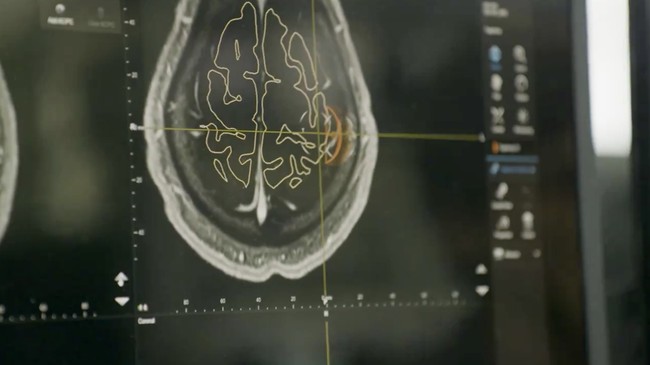
The rapid advancement of technology is undoubtedly making various activities easier. The latest development comes from Elon Musk’s brain chip startup, Neuralink, which has announced receiving more than 10,000 registrations from various countries.
Anyone can register to become a candidate participant in the trial of the brain chip implant produced by the company through the “Patient Registry” programme. The site was officially opened at the beginning of this year.
To date, Neuralink has implanted chips in 12 patients in clinical trials that enable them to control computers solely with their thoughts. An additional 13 patients are scheduled to undergo implants before the end of 2025.
Nevertheless, the trials are currently limited to sufferers of paralysis due to motor neurone disease or spinal cord injuries. However, Elon Musk has stated that in the future, this technology will be developed for use by people without disabilities as well.
According to Musk, the next version of Neuralink’s brain chip could enable humans to achieve symbiosis with artificial intelligence (AI).
He even mentioned that the chip has the potential to play music directly into the brain, restore vision for the blind, and enable telepathic communication.
“This technology could even reach the point where you can upload memories and essentially store a version of yourself, then download it into a robotic body or a clone of yourself,” Musk said during a live broadcast in July, quoted from The Independent on Sunday (12/4/2026).
Neuralink President and co-founder DJ Seo revealed the registration figure in a Morgan Stanley research report this week. The report also highlights ethical and legal issues that may arise due to advancements in brain-computer interface technology.
“Although it has long been the subject of many science fiction books and films, brain-computer interfaces represent a new frontier for humanity that will involve a range of moral, ethical, legal, and regulatory considerations,” the report states.
The current version of the Neuralink chip, N1, connects to computers via Bluetooth and has enabled patients to move robotic arms, browse the internet, and play games like Mario Kart using only the power of their minds.