
Puan Calls for Trial of Suspects in FHUI Obscene Chat Group: No Sexual Violence
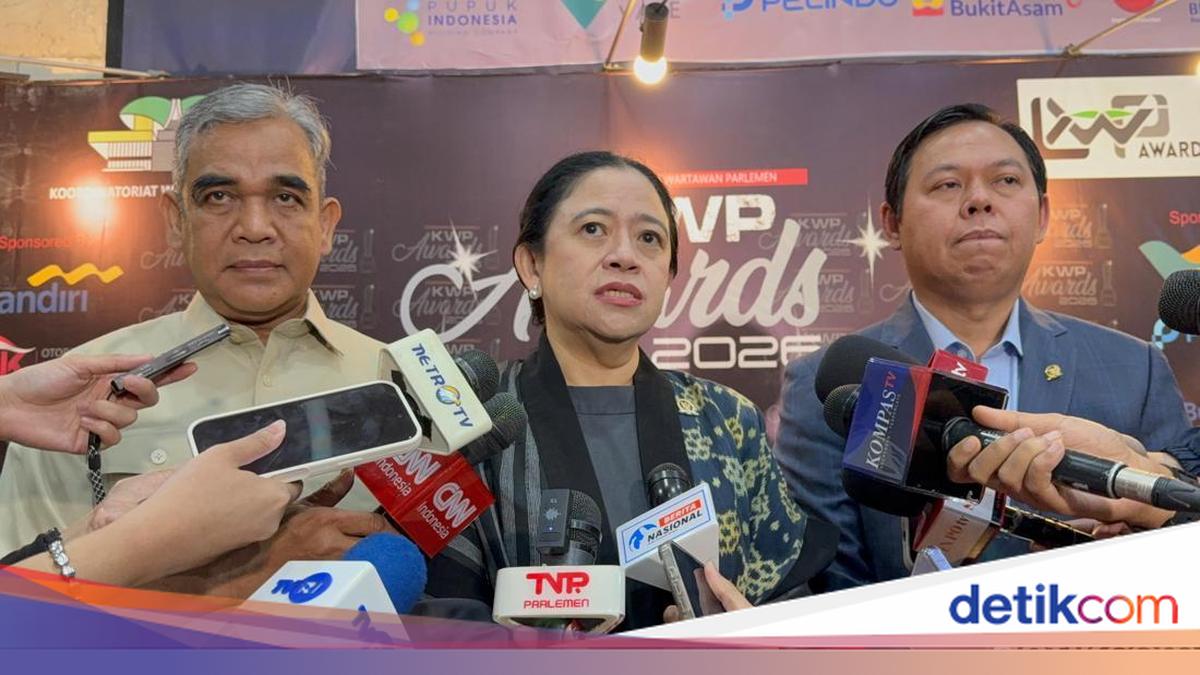
House of Representatives Speaker Puan Maharani has responded to the alleged sexual harassment case involving 16 students in a group chat at the University of Indonesia’s Faculty of Law (FH UI). Puan emphasised that there is no tolerance for any form of sexual violence.
“There must be no sexual violence anywhere, and we of course reject sexual violence anywhere, and it must be tried fairly,” Puan said at the parliamentary complex in Senayan, Jakarta, on Thursday (16 April 2026).
This PDIP DPP Chair stressed the importance of the education sector’s role in preventing similar incidents from recurring. According to her, campuses must build safe and just environments for the entire academic community.
“How then the education sector must also provide education in the education world, the university must be able to provide and maintain all that to be fair and must not recur,” she stated.
Furthermore, Puan also commented on similar alleged harassment cases at other campuses, such as IPB and ITB. Puan called for a thorough evaluation in the higher education environment.
“It must be evaluated, then everyone must speak, must dare to speak about this, and must not, no sexual violence anywhere,” she said.
Previously, Universitas Indonesia (UI) suspended the status of 16 Faculty of Law (FH) students suspected of being involved in the alleged sexual harassment through a group chat. This decision was made to ensure the examination process runs optimally and transparently.
“Based on the Internal Memo Letter on the Plan for Follow-Up Examination (RTLP) from the University of Indonesia’s Task Force for the Prevention and Handling of Violence (Satgas PPK), dated 15 April 2026, the Task Force officially recommended the temporary suspension of student status for the 16 reported students,” said UI’s Director of Public Relations, Media, Government, and International Affairs, Erwin Agustian Panigoro, in his statement on Thursday (16 April 2026).
Erwin stated that the temporary academic deactivation for the 16 students applies from 15 April to 30 May 2026. This policy is described as a preventive administrative step taken by the campus.
“During the deactivation period, the suspects are not permitted to participate in all educational activities and teaching and learning processes, including lectures, academic guidance, or other activities related to academic activities,” Erwin said.
Universitas Indonesia Collaborates with Ministry of Women’s Empowerment and Child Protection
Universitas Indonesia (UI) has deactivated 16 Faculty of Law (FH) students suspected of involvement in the obscene chat group case. UI is now collaborating with the Ministry of Women’s Empowerment and Child Protection (PPPA) to handle the case.
The coordination between UI and the Ministry of PPPA was held on Wednesday (15 April) at the University Administration Centre Building after the deactivation decision for the dozen suspects was issued. This coordination is part of strengthening synergy in handling the case.
The meeting was conducted to directly convey developments in the handling, including the initial chronology, steps already taken, and plans for follow-up investigation processes. In the meeting, the Ministry of PPPA expressed appreciation for UI’s swift and measured actions, including the temporary suspension policy for the suspected FH UI students.
Both parties also agreed to continue strengthening coordination in overseeing the handling process to ensure it proceeds transparently, accountably, and with a perspective on victim protection.
The meeting was attended by UI Rector Prof Dr Ir Heri Hermansyah and Minister Arifatul Choiri Fauzi. Both reaffirmed their joint commitment to strengthening efforts to prevent and handle sexual violence in higher education environments in a more systemic and sustainable manner.
Heri stated that the campus has strong academic resources, including the existence of a multidisciplinary gender studies programme, to encourage comprehensive research on the root causes and formulate more effective prevention methodologies.
“Going forward, we need to encourage more holistic and multidisciplinary studies to comprehensively examine the root problems. From there, we can formulate more appropriate methodologies so that similar incidents can be minimised,” Heri said.