
Puan Assures Election Bill Will Not Be Discussed Secretly
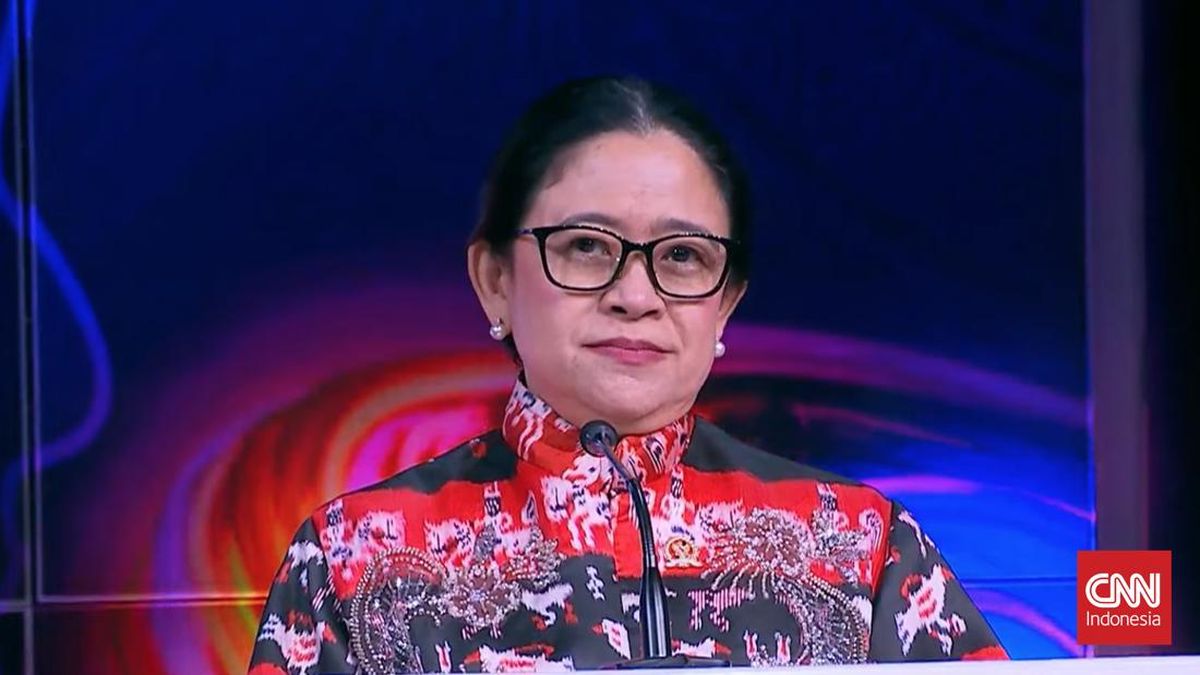
DPR RI Speaker Puan Maharani has assured that discussions on the Election Bill will not be conducted secretly. Puan stated that the Election Bill is currently in the stage of inter-party communication. However, she noted that communication does not always have to be formal but can also be informal. “We continue to conduct political communications in political parties, and that is not done secretly; communication can be done formally and informally,” Puan said at the parliamentary complex on Tuesday (21/4). The PDIP politician emphasised that in principle, the Election Bill must result in the implementation of honest and fair elections, while upholding democratic principles. “The spirit is for the elections to run honestly and fairly, and well, the democratic spirit must not harm the nation and state,” she said. Meanwhile, Deputy Speaker of the DPR Sufmi Dasco Ahmad stated that discussions on the Election Bill are still in the simulation and internal faction study stage in the DPR. His side admitted they do not want to rush so that the results of their decisions are not challenged again in the Constitutional Court (MK). “We don’t want anything, don’t let us rush or hurry the Election Law, then there will be more lawsuits,” he said. 10 Issues for Changes to the Election Bill Previously, a member of Commission II of the DPR, Ahmad Doli Kurnia, revealed there are 10 issues for changes in the Election Bill, some of which are mandates from Constitutional Court (MK) decisions. He detailed that the 10 points of change are, first, the legislative election system. The Election Bill will reopen discussions on changing the election system, whether it remains proportional open, closed, or even mixed. Second, discussions on changing the parliamentary threshold. Third, discussions on changing the presidential threshold, both based on MK decisions. Until now, Doli said, several factions are not yet in agreement on changing the parliamentary threshold, although for the presidential threshold, the MK has requested its abolition. Fourth, discussions on changing the number of seats per electoral district (dapil). Fifth, the vote-to-seat conversion system in the DPR. Sixth, the issue of separating local and national elections referring to Decision Number 135/PUU-XXII/2024. Seventh, discussions on improving the system to curb money politics practices to vote buying. Eighth, digitalisation in every stage of the election. Ninth, discussions on changing the election organising body, which, according to Doli, has long been criticised for its professionalism and integrity. And finally, regarding the resolution of election disputes. For a long time, he said, he has been pushing for the establishment of a special judicial body for election dispute resolution. “Those are some or 10 issues, 5 contemporary and 5 classic, which we will certainly discuss in the election law deliberations,” Doli said.