
PTPN I Strengthens Sugarcane Production to Support Bioethanol Rollout
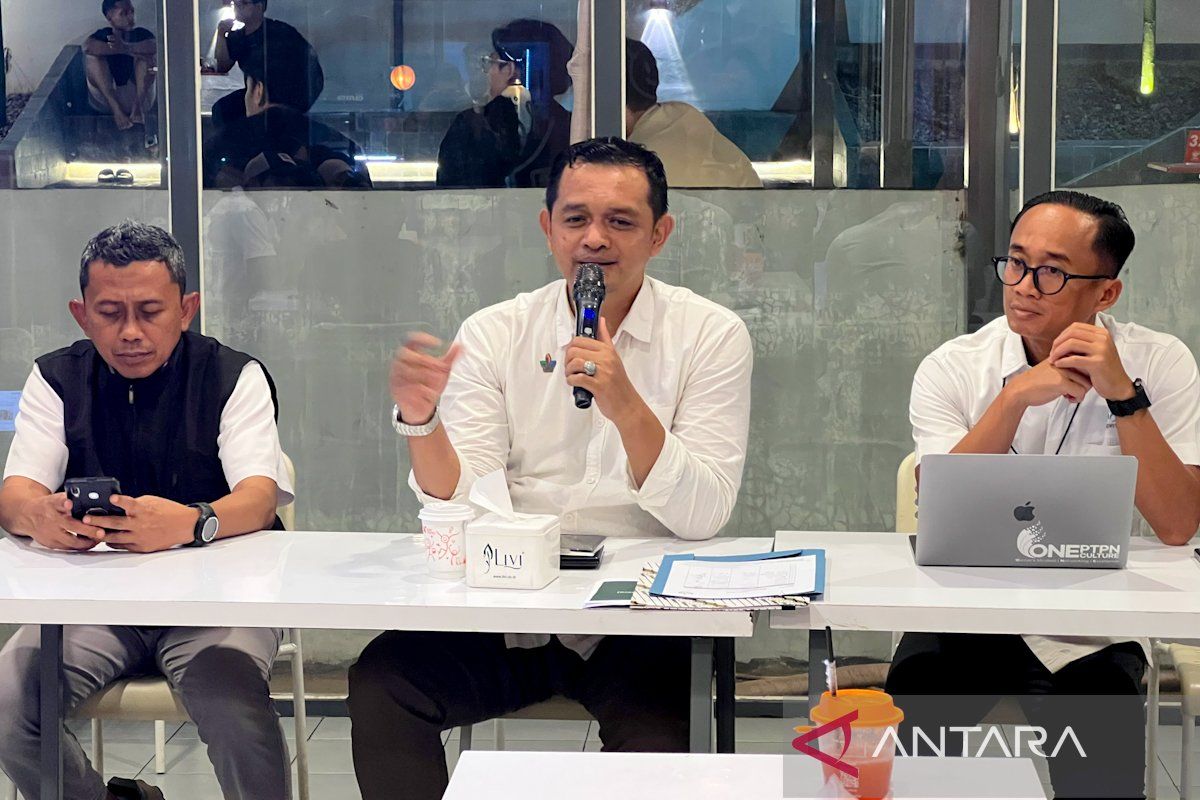
PT Perkebunan Nusantara (PTPN) I is strengthening sugarcane commodity development to support national sugar needs while underpinning the government’s priority E10 bioethanol programme. PTPN I Corporate Secretary Aris Handoyo said increasing sugarcane production is a crucial step to simultaneously meet two strategic requirements. “The target must indeed increase. Because when sugarcane is processed, one of its outputs is ethanol, so we must allocate for ethanol,” he said during a media discussion in Jakarta on Monday evening. According to him, sugarcane processing yields not only consumption sugar but also molasses, which is the primary feedstock for bioethanol production. Therefore, expanding planting areas and improving sugarcane productivity are vital factors to ensure both sugar and bioethanol demands can be met without reducing each other’s supply. Beyond expanding planting areas, PTPN I is also running a productivity enhancement programme to boost sugarcane yield, allowing sugar and derivative product output to increase simultaneously. Boosting sugarcane production is deemed essential so that the allocation of raw materials for sugar and molasses for ethanol can be optimised to support the government’s E10 implementation target. “Because with that approach, dividing the output between sugar and molasses for ethanol can be more easily managed. This E10 obligation is one of the basic targets of Mr Prabowo (President Prabowo Subianto) and the Agriculture Minister (Andi Amran Sulaiman). And PTPN supports that,” he asserted. Aris said support for the bioethanol programme aligns with the government’s target of developing domestically sourced biofuel blends. The move is expected to strengthen food security while supporting energy resilience through the utilisation of domestic agricultural resources. “Now we are aiming for self-sufficiency, so the easiest way is to expand the area and increase production,” he explained. PTPN I considers sugarcane development to have a strategic role as it is directly linked to food needs, energy, and improving the welfare of Indonesian farmers. However, Aris did not disclose detailed sugarcane production figures for the state-owned plantation company.