
PTFI Strengthens Central Papua's Economy Through Long-Term Investments
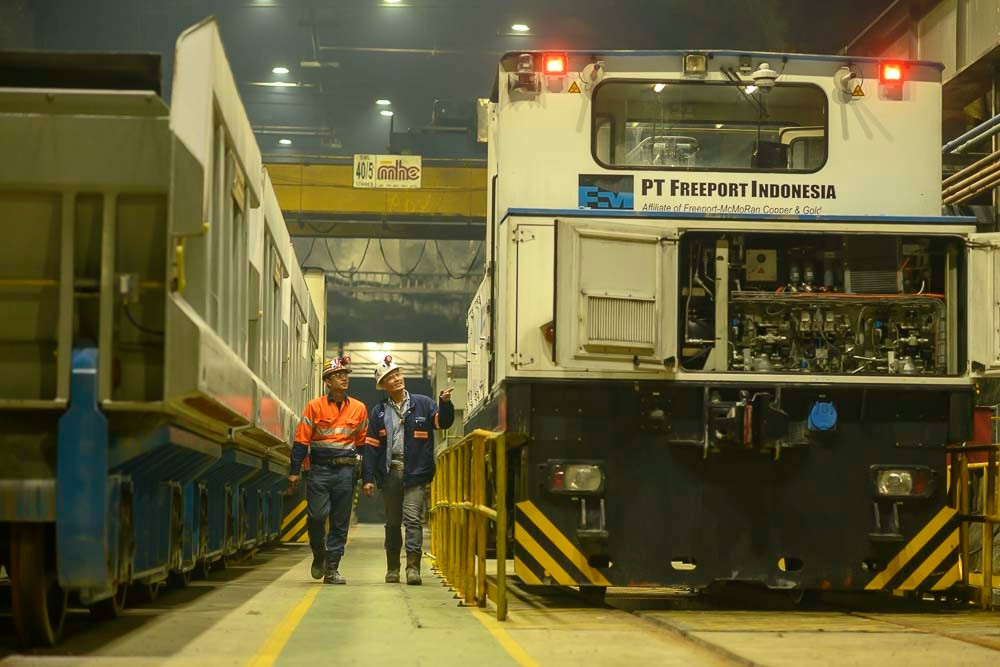
In the last 5-10 years, the people of Central Papua, particularly in areas around PT Freeport Indonesia’s (PTFI) operations, have experienced numerous changes. From increased job opportunities, improved access to education and healthcare services, to the growth of local businesses, PTFI’s presence is increasingly evident in daily life.
In various districts such as East Mimika, Kuala Kencana, and Tembagapura, more and more young Papuans are now working in various aspects of PTFI’s operations. Many of them are graduates of PTFI’s training programmes or scholarship recipients.
“We see proud progress. Local Papuan workers now fill increasingly diverse roles, from technical positions to managerial ones. This is the result of long-term investments in education and training,” said PTFI’s President Director, Tony Wenas.
According to internal data, the proportion of local Papuan workers now stands at 40.9%, and this figure continues to rise each year.
Economic Impact: Local Businesses Grow Alongside PTFI
In Timika, many local business owners acknowledge that partnerships with PTFI have opened doors for their business development. From transportation services and catering to local agriculture and workshop businesses, all have felt the multiplier effects of the company’s economic activities.
One business owner, Grasella Kunong, shared that her business income has increased after participating in PTFI’s local business empowerment programme.
“Now we can employ more people from the village, and our business can supply regularly,” she said.
Over the past decade, PTFI has partnered with more than 400 local entrepreneurs, fostering a more independent economic ecosystem in Central Papua.
On the education front, PTFI supports the construction of learning facilities from early childhood education to secondary schools. Thousands of students receive learning equipment assistance and other support each year. Scholarship programmes have also enabled many Papuan children to continue their education outside the region.
In healthcare, programmes addressing malaria, improving child nutrition, and strengthening health facilities in several villages are directly felt by the community.
“Health and education are the main foundations for Papua’s future. Therefore, we run social programmes on a long-term and sustainable basis,” said Tony Wenas.
Infrastructure Connecting Many New Hopes
Several previously hard-to-reach areas now have better road access thanks to collaborative development efforts between PTFI and local stakeholders. Access to electricity, clean water, and logistics transportation has also improved in recent years.
This infrastructure not only supports mining activities but also opens up opportunities for economic growth among surrounding communities.
PTFI reaffirms its commitment to supporting Central Papua’s development not only through mining activities but also through efforts to build the foundation for a future economy.
“Our goal is for Central Papua to have a self-reliant and sustainable economic strength, far beyond the mining operations period. We want the community to feel the long-term benefits from every investment made today,” stated Tony Wenas.
Current focused programmes include human resource development, village economic empowerment, environmental conservation, and the development of local businesses based on regional potential.