
Psychiatrist Warns of the Impact of Chronic Anxiety from Watching War News
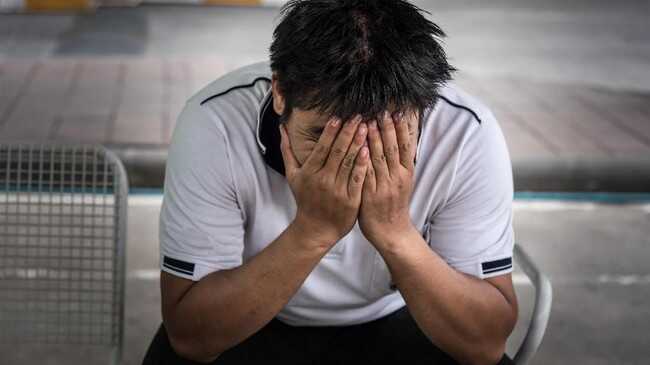
Jakarta – The abundance of reporting on conflicts and wars around the world in recent times has triggered a range of reactions among the public. Many people report feeling anxious, unsettled, and even having trouble sleeping after continually following the developments.
Mental health specialist Dr Lahargo Kembaren, SpKJ, says that feeling vigilant about the world situation is actually normal. It signals that someone is concerned and wants to know what is happening.
However, he emphasises that healthy vigilance should not disrupt daily activities.
‘Feeling vigilant is a good thing. It shows we care and want to know how the world is developing. It should be noted that healthy vigilance still allows us to carry on with daily routines,’ he said when contacted by Detikcom on Tuesday, 3 March 2026.
The signs of healthy vigilance, according to Dr Lahargo, are:
Check the news as needed and from reliable sources.
Still able to sleep soundly.
Continue focusing on work and caring for family.
Not immediately trusting or spreading unclear information. (screen before sharing)
Conversely, excessive anxiety is usually marked by the habit of endlessly monitoring the news. This condition often causes trouble sleeping as one imagines worst-case scenarios. Here are its signs:
Continuously scrolling the news without end.
Difficulty sleeping due to imagining bad things.
Palpitations and acid reflux.
Irritable and easily angered.
Feeling that the world is unsafe.
Dr Lahargo explains that a person’s response to news can also be seen in their way of thinking after reading the information.
If, after reading the news, someone can still say, ‘Okay, I know the situation, but I will stay calm,’ that indicates they remain within healthy bounds and have a responsive mindset.
Conversely, if someone reacts negatively and immediately harms themselves or others, that shows a reactive mental stance.
‘Vigilance makes us prepared and positive. Excessive anxiety makes us stressed and exhausted,’ he adds.
What are the impacts?
‘Conflict news that appears every hour can make the body and mind tense. Even though the events are distant, our brains still respond as if danger is nearby,’ he said.
The effects can include:
Difficulty sleeping
Becoming easily agitated
Quick to take offence
Feeling the world is unsafe
Children becoming scared as well
If left unchecked, exposure to excessively anxiety-inducing news can even make the home atmosphere tense and uncomfortable.