
PSBM 2026 in Makassar to Boost Economy and Investment
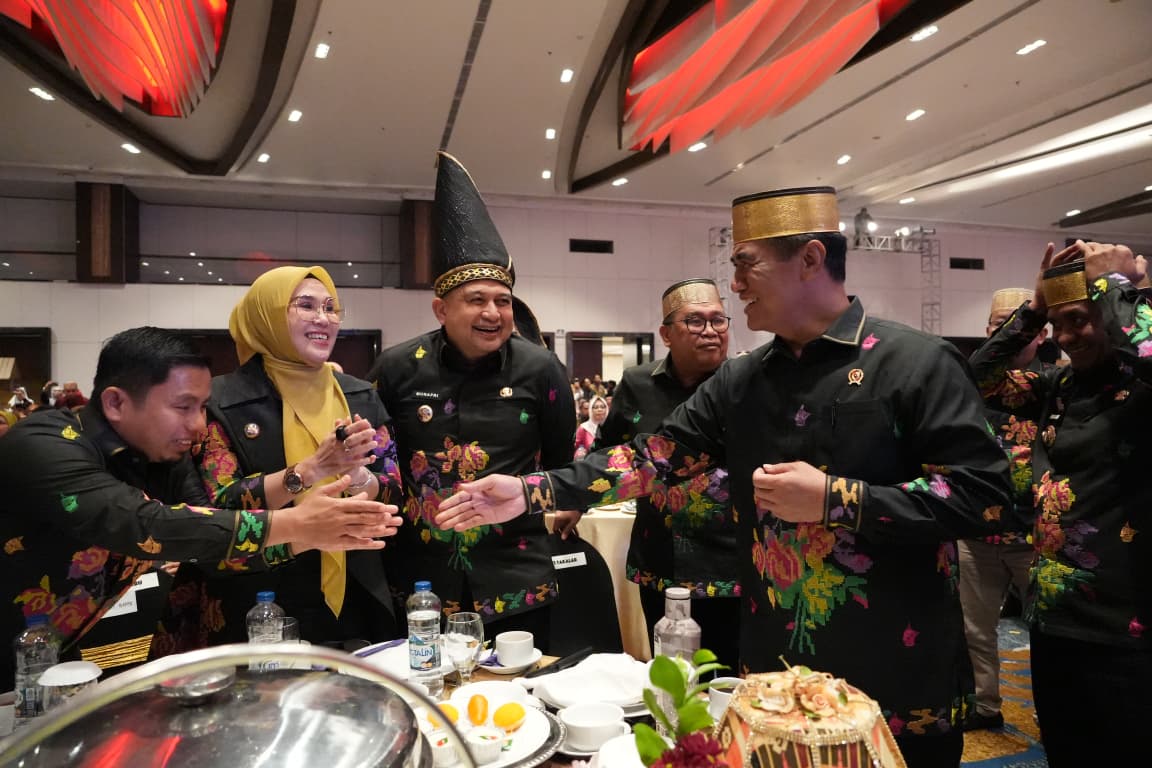
The 26th Meeting of Bugis Makassar Merchants (PSBM) in 2026 reaffirms its position as a strategic forum bringing together national figures, business actors, and regional heads from across Indonesia.
Held at Claro Hotel Makassar on Thursday (26/3/2026), this annual event is not only a gathering for maintaining relations but also a space for consolidating ideas, business networking, and investments that directly impact economic circulation.
Makassar Mayor Munafri Arifuddin emphasised that hosting PSBM delivers tangible effects on regional economic growth, particularly in the hospitality, culinary, and services sectors.
“Makassar as the host naturally feels the economic circulation impact. Hotel occupancy rises, the culinary sector thrives, and this becomes a highly anticipated momentum,” he stated.
Munafri, attending alongside Deputy Mayor Aliyah Mustika Ilham, views the forum as a strategic opportunity to expand cooperation networks and encourage investments into Makassar City.
Makassar Strengthens Position as Eastern Indonesia Hub
According to Munafri, Makassar holds a highly strategic geographical position as a hub for the eastern Indonesia region. This potential is seen as capable of delivering significant economic value if managed optimally.
He also spotlighted leading sectors such as marine tourism, particularly the Spermonde Islands area, which is considered to have great appeal for investors.
“The marine tourism potential in Spermonde is enormous for development, both in terms of islands and coastal areas,” he explained.
Additionally, the culinary and local cultural sectors are cited as Makassar’s distinctive strengths in attracting tourists and business actors.
Promoting Technology-Based Urban Farming
In efforts to strengthen urban food security, the Makassar City Government is also promoting the development of technology-based urban farming, including the use of Internet of Things (IoT) systems and greenhouses.
Munafri cited the success of the Netherlands, which has become a major agricultural product supplier despite land limitations.
“This serves as inspiration that modern technology-based agriculture can be a solution for cities like Makassar,” he remarked.
PSBM as a Space for Economic Collaboration
Meanwhile, Deputy Mayor Aliyah Mustika Ilham emphasised that PSBM is more than just a gathering for maintaining relations; it is a strategic forum for strengthening economic networks among Bugis Makassar merchants.
“This is an important momentum for building collaboration and reinforcing economic networks,” she said.
Under the theme “Resilient Merchants, Growing Economy”, PSBM XXVI is seen as reflecting a collective spirit in driving inclusive national economic growth.
Featuring National Figures to Governors
PSBM XXVI was officially opened by Andi Amran Sulaiman, who also serves as Chairman of BPP KKSS. In his address, he stressed the importance of strengthening Bugis Makassar diaspora networks as a national economic force.
The forum was also initiated by Aksa Mahmud, who reiterated the significance of PSBM as a platform for building sustainable business networks.
Several figures attended, including:
Tamsil Linrung
Nasaruddin Umar
Veronica Tan
In addition, regional heads and governors from various provinces joined the forum, reinforcing PSBM’s position as a national-scale strategic event.
Catalyst for Network-Based Economic Growth
PSBM XXVI 2026 not only brings nostalgia of togetherness but also serves as a catalyst for network-based economic growth.
From Makassar, the spirit of collaboration is once again championed—connecting regional potentials, strengthening investments, and opening new opportunities for more inclusive and sustainable Indonesian economic growth.
“Collaboration is the key. With strong networks, we are optimistic about facing future economic challenges,” Aliyah concluded.