
PRR Task Force Affirms Additional TKD to Accelerate Sumatra Disaster Recovery
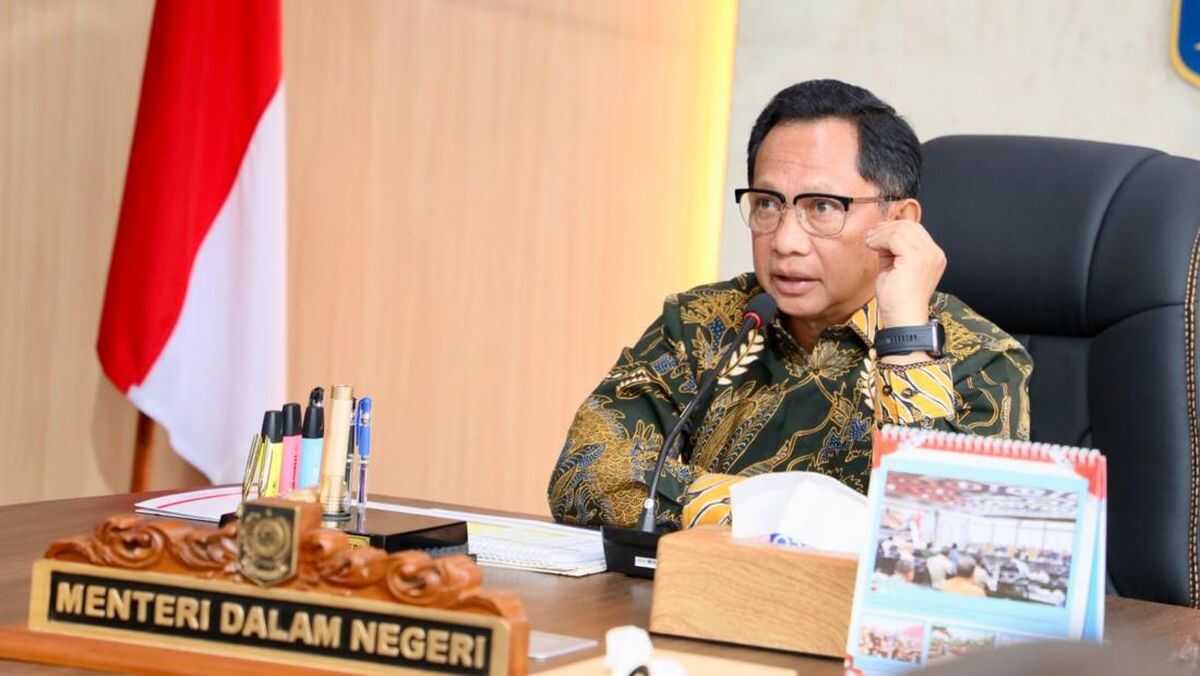
The Minister of Home Affairs (Mendagri), who chairs the Task Force for Accelerating Rehabilitation and Reconstruction (PRR) in Sumatra’s post-disaster areas, Muhammad Tito Karnavian, emphasised the availability of additional Transfer to Regions (TKD) funds amounting to Rp10.6 trillion. This strategic measure aims to accelerate the recovery of infrastructure and social sectors in Sumatra’s disaster-affected areas. The announcement was made during a Socialisation of Circular Letter on the Adjustment of TKD for the 2026 Budget Year in the APBD, attended virtually by regional governments from Aceh, North Sumatra (Sumut), and West Sumatra (Sumbar) from the Headquarters of the Ministry of Home Affairs, Jakarta, on Thursday (5 March). The policy is a follow-up to Mendagri’s proposal to President Prabowo Subianto and the DPR to bolster regional fiscal capacity.
“We want to strengthen the financial capacity of the provinces and districts affected by the disaster, the three disaster-affected provinces of Sumatra,” Tito said in a written statement on Thursday (5 March). He added that President Prabowo decided that this additional allocation would not only target directly affected areas. All regencies/cities and provinces in Sumut, Sumbar, and Aceh, including those not directly affected, would also receive the extra TKD.
“He decided to provide everyone, whether affected or not province-wide, because it is considered a provincial disaster,” he explained.
The policy has been implemented via Minister of Finance Regulation No. 59 of 2026. Tito has also issued the circular to regulate the technical use of the funds on the ground.
“I am trying to facilitate fellow executive heads of regional governments,” he said.
The additional funds are primarily intended to accelerate recovery in disaster-affected areas, in line with the President’s direct instruction. Meanwhile, non-affected areas can utilise it for disaster mitigation and prevention programmes, such as repairing bridges or dams deemed vulnerable.
“It also covers land-use planning, for example, training to handle disasters. I have even created opportunities to use it for inflation management,” Tito concluded.