
Protecting the Nation from the Traps of Illegal Migration at Vulnerable Points
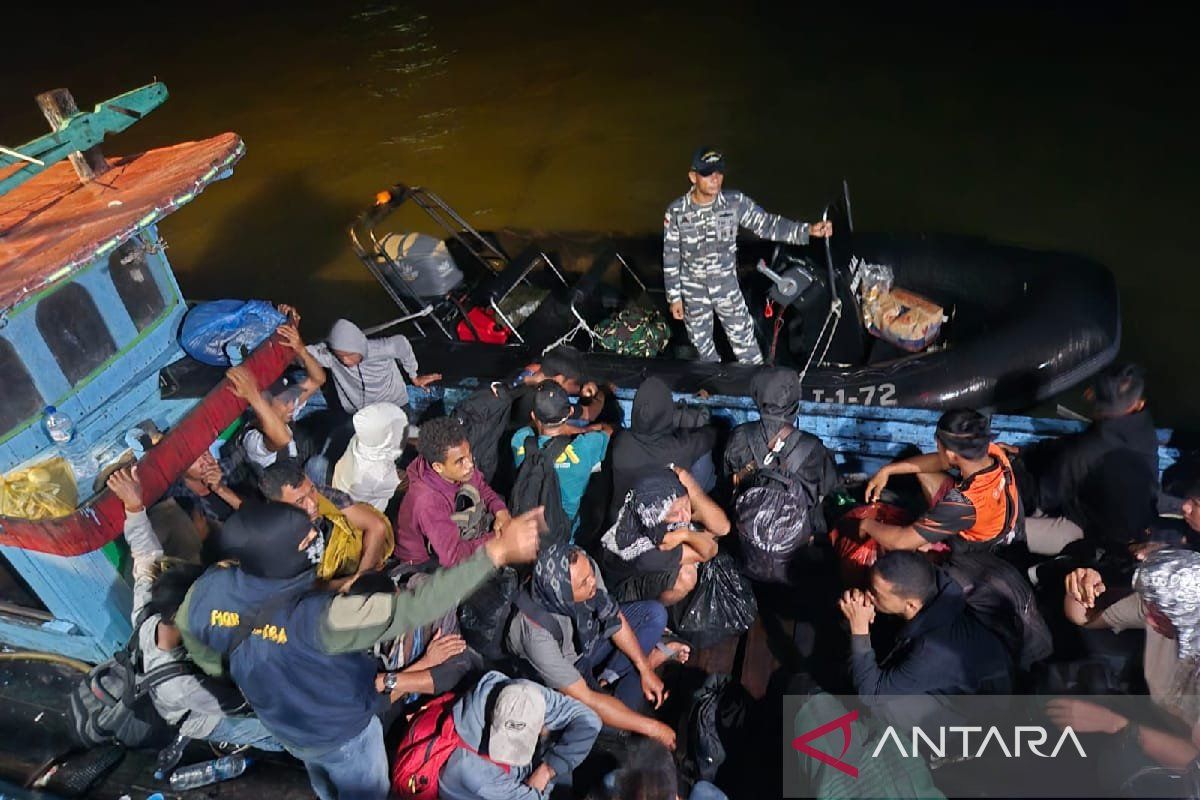
The Village Immigration Sponsorship concept is a strategic approach that positions villages as the frontline in a community-based immigration surveillance system. Jakarta (ANTARA) - Today, villages are no longer just places to return to. They also serve as departure points, and even the initial gateway, for many residents seeking to try their luck abroad. Those hopes are often simple: to work, send money home, and boost family economies. Not a few succeed. Remittances from migrant workers have proven to help drive village economies. However, behind those hopes lies a dark side that is increasingly concerning. Illegal migration is beginning to infiltrate villages. Many residents are tempted by sweet promises of quick jobs with high salaries without understanding the legal risks and dangers lurking. Limited access to information and low legal literacy make them easily trust illegal agents. In fact, immigration surveillance should not only occur at airports or ports. Ideally, surveillance starts from when someone processes travel documents up to before departure. This is where early detection is crucial, and villages become the most critical point. Data shows this situation cannot be taken lightly. In 2023, around 760 cases of Human Trafficking Crimes (TPPO) were handled by the government. That number continues to rise. Even in 2024, 3,570 Indonesian citizens were repatriated from abroad due to potential victimisation. These figures carry a clear message: many residents depart without safe procedures and end up trapped in exploitation. Old Modus, New Ways Criminal actors now no longer operate crudely. They have changed, becoming more subtle and convincing. From a sociological perspective, human trafficking syndicates can control their victims more effectively due to the social structure (social cohesion) within them. Syndicates have shifted focus from aggressive tactics to more persuasive ones. Common modus operandi include disguising as travel agents, digital job offers, and using visit or umrah visas as covers for illegal work. This phenomenon can be explained through social network theory, where social networks become a medium for spreading information and mobilising individuals. What makes it even more dangerous is that they often exploit social closeness in villages. Friendships, kinship, and community trust are used as entry points. Not infrequently, the perpetrators come from the same environment. This is the trap: when information spreads through known people, vigilance drops. On the other hand, limited surveillance at the village level remains a challenge. Programmes like the Village Immigration Officer (PIMPASA) have been initiated since 2024 to bridge surveillance in villages. However, its effectiveness still depends on cross-sector synergy, human resource capacity, and sustained institutional support. Not all villages have equal access to this programme, resulting in gaps in community protection. Village vulnerability is also influenced by low public understanding of legal migration procedures. Many residents do not comprehend the importance of official documents, work contracts, or the legal risks of illegal departures. Meanwhile, technological developments are exploited by perpetrators to spread false information via social media. Without adequate digital literacy, village communities become easy targets for online scams. Reorienting the Approach