
Protecting Ramadan from Vulnerable Points
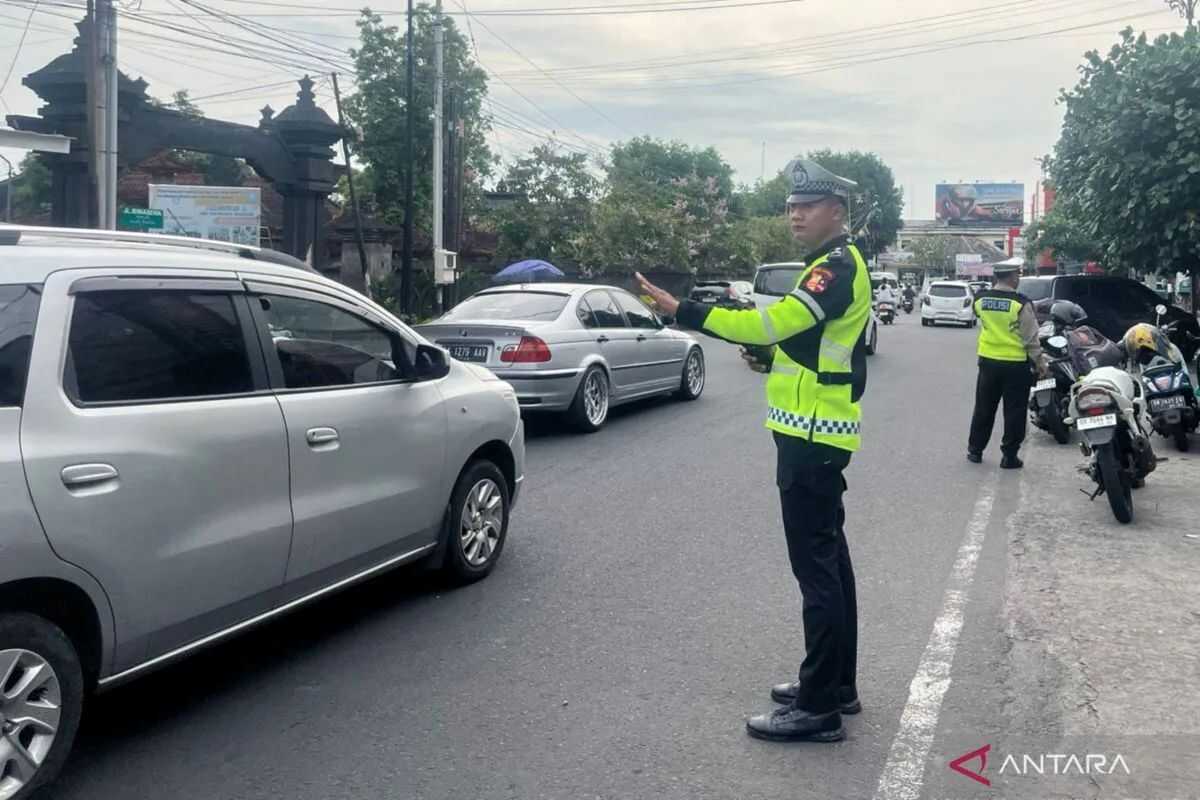
Mataram (ANTARA) – As dusk approaches, the atmosphere in the city of Mataram always transforms into a uniquely vibrant scene. The streets suddenly become congested, with motorcycles racing against time, while corners of the city are filled with people searching for iftar meals.
In mosques, rows of worshippers become tighter. Ramadan brings a faster pace of life than usual. Behind this religious atmosphere, there is a task that is never truly completed: maintaining security in vulnerable areas.
At the Ramadan 1447 Hijri security preparedness parade at the Bhara Daksa Field of the West Nusa Tenggara (NTB) Regional Police, the Governor of West Nusa Tenggara, Lalu Muhamad Iqbal, reminded everyone of the importance of tightening security in crowded areas, markets, terminals, places of worship, and locations with nighttime activity.
The message is simple, but relevant. Ramadan is not only a spiritual moment, but also a phase of significant increased mobility and social activity.
Throughout the first week of Ramadan 2026, a recurring pattern has been observed each year. A surge in traffic flow before iftar, nighttime patrols to prevent illegal racing, crackdowns on firecracker use, and guidance for teenagers involved in arm wrestling gambling.
Officers at the Mataram City Police even secured 14 teenagers in a single raid in the Pagutan area. Seven motorcycles were also confiscated as part of the guidance program.
This situation shows one thing: vulnerable areas during Ramadan are not just physical spaces, but also social spaces.
Vulnerable areas
Ramadan is always associated with the movement of people. Traditional markets are busy from morning until they peak in the late afternoon. Terminals and intersections become traffic congestion points.
Based on traffic mapping by the Mataram City Police Traffic Unit, the highest surge in vehicles occurs one to two hours before breaking the fast. During these hours, the potential for accidents increases.
Traffic vulnerability is not just a matter of driving discipline. Psychological factors also play a role. Drivers who are in a hurry to get home for iftar often neglect safety.
In this context, the deployment of personnel at congested points and intensive traffic management should be appreciated. However, a purely repressive approach is not enough.
More creative social engineering is needed. For example, regulating the operating hours of certain markets, providing temporary parking spaces around iftar meal centers, or launching a more massive public campaign about driving ethics during the fasting month.
Local governments can utilize social media channels to routinely educate the public. This education is important as part of the educational and enlightening element in public service.