
Protecting Indonesia's Illegal Migrant Workers
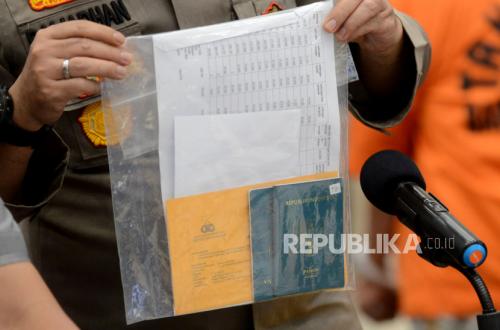
The fate of Indonesian Migrant Workers (PMI) abroad remains precarious. They are frequently vulnerable to mistreatment, including physical abuse, sexual harassment, extreme working hours without proper compensation, and confinement. Such cruel treatment often befalls illegal workers because their passports are withheld by employers and they lack legal protection.
One recent abuse case involving an illegal PMI went viral on social media. A circulated video showed a female worker, identified by the initials YY, being assaulted by her employer in Malaysia. She was not only slapped but also beaten by a man in a blue shirt while sitting helplessly on a sofa. The victim groaned in pain and made no attempt to fight back. In a subsequent scene, another woman struck the victim on the head while a third woman recorded the violence. Malaysian police reportedly arrested four individuals for the assault. This is just one of many incidents befalling illegal PMIs who seek their fortunes abroad without following official procedures.
The inhumane treatment experienced by illegal Indonesian migrant workers is not an isolated occurrence. According to data from the Ministry of Protection of Indonesian Migrant Workers (P2MI), an estimated 4.3 million PMIs are currently working abroad illegally or non-procedurally. This figure nearly matches the number of officially registered migrant workers, and these undocumented individuals are highly susceptible to violence, exploitation, and human trafficking.
World Bank records indicate the total number of Indonesian migrant workers is around 9 million. The Ministry of Foreign Affairs has handled hundreds of cases involving Indonesian citizens and migrant workers who have become victims of exploitation and trafficking. National data on human trafficking reveals that sending victims to become illegal migrant workers is the most common modus operandi, accounting for hundreds of cases.
Specifically for female migrant workers, the National Commission on Violence Against Women’s annual records document at least 314 cases of violence. Illegal female PMIs are at high risk of experiencing layered exploitation, including physical and sexual violence by employers, wage deductions or withholding, extreme working hours, and jobs that do not match initial promises. Data from the Ministry of Foreign Affairs also shows that 165 Indonesian citizens are facing the death penalty abroad, with most cases rooted in labour issues and self-defence in emergency situations.
By definition, illegal or non-procedural migrant workers are those who depart, enter, or work in a destination country without valid permits. Various essential documents—from work visas to welfare-guaranteeing contracts—are ignored to cut waiting times and costs. Although entering non-procedurally may save money, these workers often suffer misfortune. Instead of earning a large salary, they frequently face mistreatment.
Experience has repeatedly shown that illegal PMIs generally come from poor families in rural areas with limited education. They are vulnerable to the sweet talk of brokers or syndicates who promise fantastic salaries and an instant process. The reality, however, is the opposite. Upon arrival in the destination country, their passports are typically confiscated by employers, their freedom is taken away, and they are forced to work like slaves around the clock.
Due to their illegal status, these workers are highly prone to violence. Many employers are aware that undocumented workers have a weak bargaining position under local law. Consequently, they easily perpetrate exploitation, ranging from wage deductions or withholding to inhuman working hours and physical and psychological abuse. Many female illegal PMIs also become victims of sexual violence by brokers or employers in the host country.
Heartbreaking incidents involving illegal PMIs occur time and again. The recent event in Malaysia is just one piece of evidence. Abroad, due to their non-procedural status, illegal PMIs are vulnerable to cruel torture, being burned with hot objects, or simply abandoned on the streets without severance pay and in injured conditions. Under duress and fearing deportation by local authorities, victims tend to remain silent rather than seek help. They are trapped in a vicious cycle that threatens their lives.
Deputy Chairman of House Commission IX, Yahya Zaini, expressed concern over the abuse of the female worker YY in Malaysia. In addition to urging the Ministry of Protection of Indonesian Migrant Workers to tighten supervision to curb non-procedural worker dispatches, he also demanded adequate protection and handling for YY as a victim of abuse abroad, despite her illegal status.
Amid a struggling domestic economy, seeking work abroad is a tempting option. Becoming a migrant worker is the right of every citizen to improve their standard of living. However, this right must be exercised in a dignified, safe manner that complies with applicable regulations. Protecting illegal migrant workers who become victims of abuse abroad is not a justification for violating immigration procedures, but rather a tangible manifestation of the state’s presence in guaranteeing the safety of life and human dignity.