
Protecting Children from Measles Fatality: Vaccination as the Key Strategy
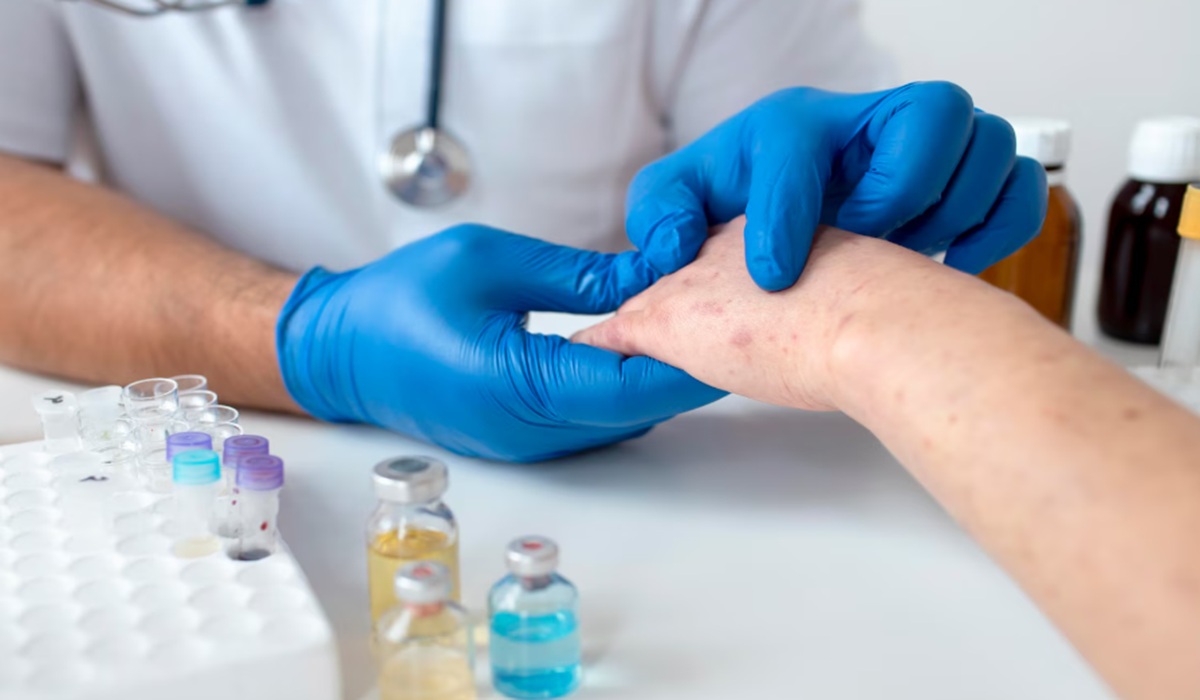
Indonesia faces a concerning resurgence in measles cases, reaching alarming levels once again. According to data from Indonesia’s Ministry of Health, as of week seven 2026, there have been more than 8,224 suspected measles cases, with 572 confirmed cases and 4 deaths reported.
This situation places Indonesia in second place globally for measles outbreaks according to the Indonesian Paediatric Association (IDAI).
High population mobility, particularly during Eid holiday periods, represents a significant risk factor requiring parental vigilance.
Measles is not merely a routine rash-causing illness; it is a highly contagious respiratory viral infection transmitted through droplets or saliva particles when infected persons cough and sneeze. The virus can remain airborne for up to two hours in enclosed spaces. The primary danger of measles lies in its ability to compromise children’s immune systems, subsequently opening the door to fatal complications.
Several complications commonly associated with measles-related deaths include pneumonia, encephalitis (brain inflammation) triggering seizures or loss of consciousness, and severe diarrhoea leading to dehydration. Additionally, measles can cause acute disseminated encephalomyelitis (ADEM), a spinal nerve inflammation capable of triggering sudden paralysis.
Currently, no specific antiviral medication exists to treat measles. Available treatment is purely supportive, including adequate rest, fluid intake, and high-dose vitamin A supplementation as recommended by doctors.
Consequently, vaccination is the only effective method for preventing transmission.
According to IDAI recommendations, the MR (measles rubella) vaccination schedule for children is as follows: Children aged 12 months and above who have not yet received the MR vaccine should be given MR/MMR vaccination with a second dose administered six months later.
Declining immunisation coverage due to vaccine hesitancy directly correlates with increased case numbers. A single unvaccinated child can infect almost everyone in their vicinity who lacks immunity.
The most vulnerable group comprises infants under nine months of age, as they are too young to receive the vaccine. Protection for this group depends heavily on herd immunity within their immediate environment. By maintaining high vaccination coverage, communities can break the transmission chain and protect future generations from measles-related fatality risks.
The ideal timing for vaccination is at least 14 days or two weeks before travel to ensure optimal protection during holidays. Doctors remind parents to complete their children’s immunisations at least two weeks before Eid travel.