
Prospects of Rising Commodity Prices Offer Further Shine for Mining Company Shares
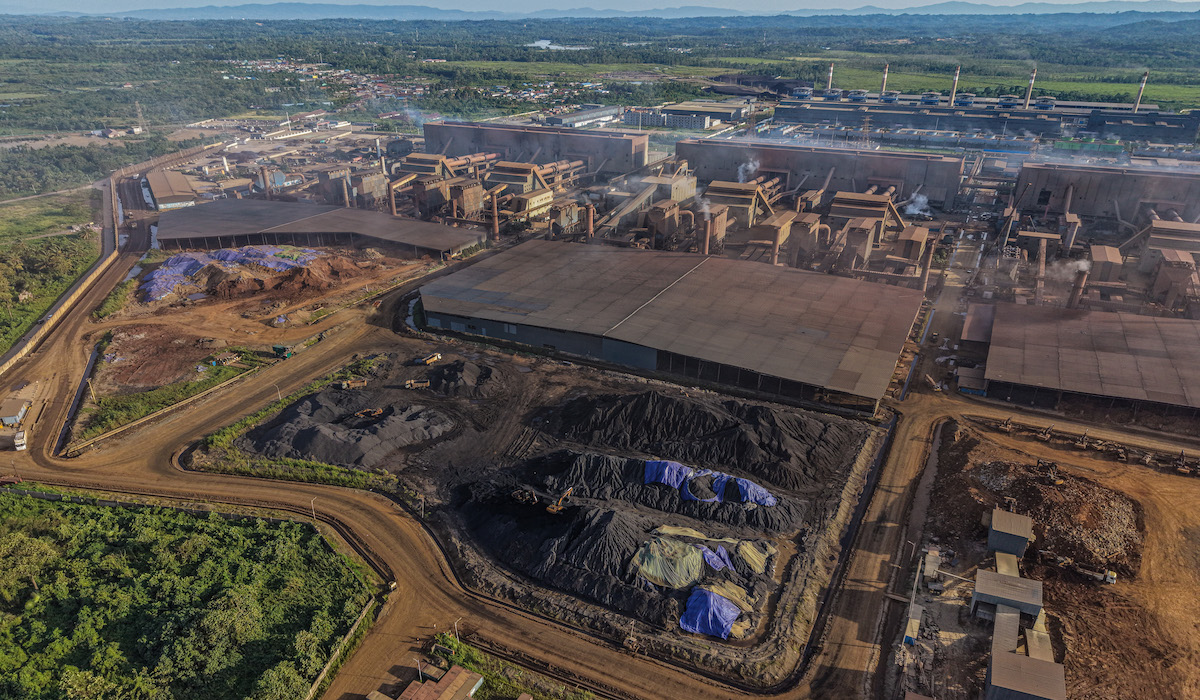
International rating agency Fitch Ratings has raised its price assumptions for a number of metals and mining commodities for 2026. This revision is considered capable of serving as positive sentiment for shares of mining issuers on the Indonesia Stock Exchange (BEI), particularly those with significant exposure to gold, copper, aluminium, nickel, and coal.
Based on Fitch Ratings’ official report, the copper price assumption for 2026 has been increased from US$9,500 per tonne to US$11,500 per tonne. This rise is driven by prospects of continuously strengthening demand in line with the acceleration of global electrification.
For aluminium, Fitch has also revised upwards the price assumptions across the entire projection period. In 2026, the aluminium price is estimated to rise from US$2,550 to US$2,900 per tonne.
“The upward revision of the aluminium price assumptions for the entire period reflects expectations of sustained healthy demand growth as well as limited supply additions in the medium term, aside from planned capacity expansions in Indonesia and Southeast Asia,” wrote Fitch Ratings, quoted on Monday (30/3).
Meanwhile, Fitch has also raised the gold price assumptions throughout the projection period. This increase aligns with the market price surge supported by central bank purchases as well as rising investment allocations from institutional and retail investors amid escalating global geopolitical tensions.
On the other hand, the thermal coal price assumption for 2026 has been raised from US$95 to US$110 per tonne. Fitch assesses that the coal market will be tighter, particularly in the first quarter of 2026, triggered by a decline in Indonesian exports due to policy uncertainties as well as weakening domestic production in China.
The short-term nickel price assumption has also been revised upwards to US$16,000 per tonne. This increase is in line with the Indonesian government’s policy of setting a lower production quota, which could potentially restrain global supply and support prices in the international market.