
Prospective Hajj Pilgrims with Comorbidities Reminded Not to Embark Without Preparation
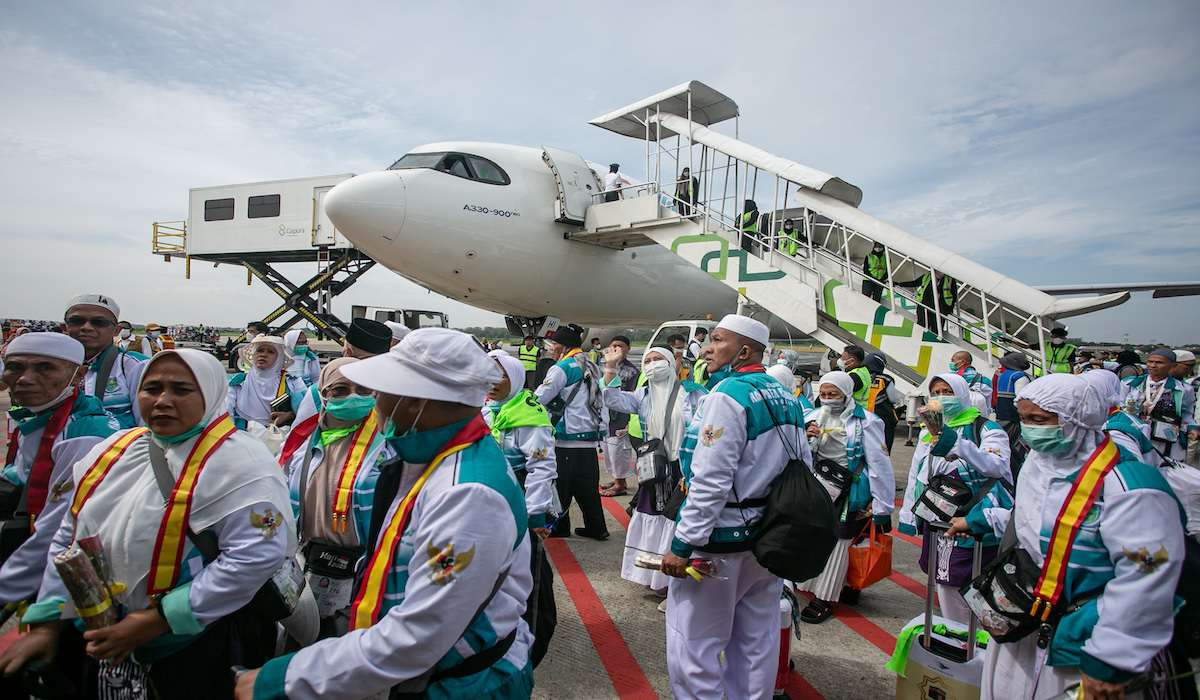
The Ministry of Health is reminding prospective Hajj pilgrims who have comorbidities not to proceed to the Holy Land without physical preparation and discipline in maintaining their health. This group is considered at higher risk of health disruptions if they neglect healthy living patterns and routine treatment.
Head of the Hajj Centre at the Ministry of Health, Liliek Marhaendro Susilo, emphasised that preparation goes beyond documents and worship supplies. Prospective pilgrims with comorbidities must start accustoming their bodies to light physical activities well in advance.
He suggested that pilgrims build habits of light exercise such as leisurely walks or short jogs for at least 30 minutes every morning. This step is deemed essential to keep the body fit and avoid shock when undergoing the intensive series of worship in the Holy Land.
In addition to maintaining fitness, Liliek highlighted the importance of compliance with medication. According to him, prospective pilgrims who have been required to consume medication regularly must continue taking it according to the doctor’s prescribed schedule.
“For those required to consume medication regularly, they should take it according to the determined schedule,” said Liliek.
To prevent oversight, pilgrims are asked to use phone alarms or assistance from companions to ensure medication schedules are not missed. This discipline is considered crucial for maintaining stable body conditions during the worship.
“To avoid forgetting to take medication, they can activate reminders on their respective phones or through companions to remind them when the medication time arrives,” he stated.
Not only that, prospective pilgrims with comorbidities are also urged to maintain eating patterns. Liliek reminded pilgrims to eat on time and follow nutritional recommendations from health officials according to their respective conditions.
He added that all pilgrims need to apply clean and healthy living patterns during the preparation period up to the implementation of the Hajj worship. These simple steps are seen to play a significant role in reducing health disruption risks amid the intensive worship activities.
In 2026, Indonesia will receive a Hajj quota of 221,000 people. The departure of pilgrims will be carried out in stages, with the first flight group scheduled to enter the Hajj dormitory on 21 April 2026 and depart for Saudi Arabia on 22 April 2026.