
Proposed Public Official Salary Cuts Deemed Necessary Only With Concurrent Bureaucratic Restructuring
President Prabowo Subianto’s proposal to cut public official salaries is viewed as a logical step towards state budget savings. However, experts contend that this policy alone is insufficient without being accompanied by institutional efficiency improvements and comprehensive restructuring of government expenditure.
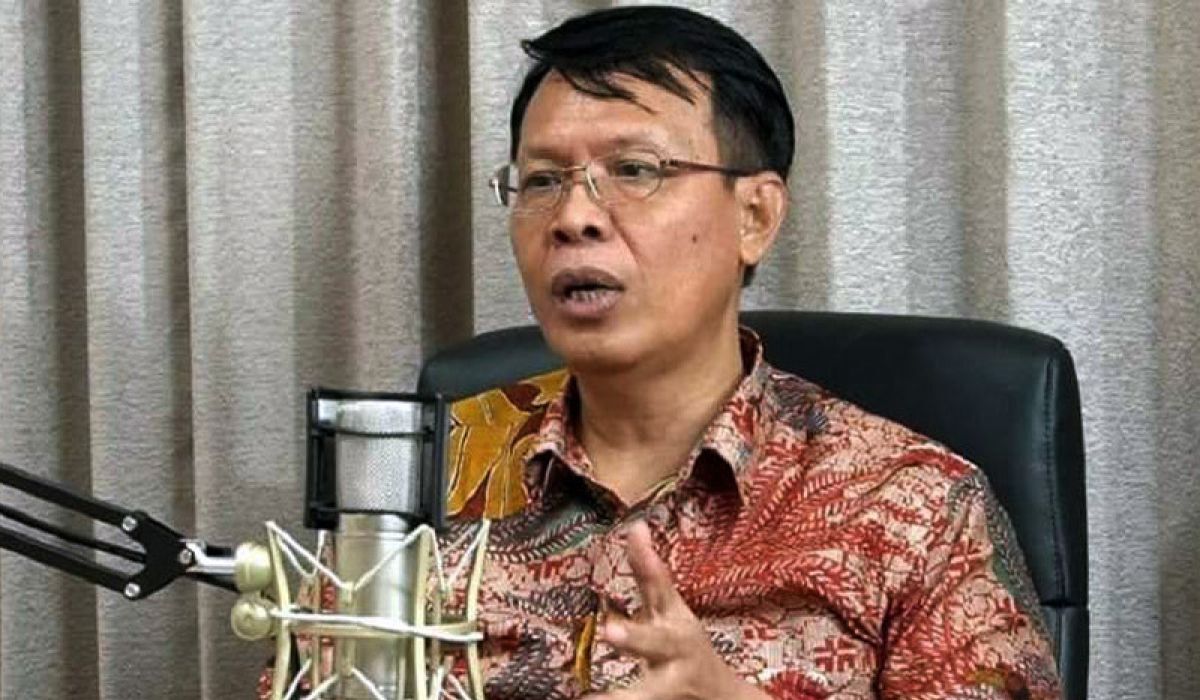
Public policy observer Trubus Rahardiansyah expressed this view, arguing that beyond salary cuts, the government must streamline ministries and agencies to create a more efficient bureaucratic structure. “Beyond salary reductions, the government also needs to streamline ministries and agencies. This means reducing the number of officials and conducting restructuring for greater effectiveness,” he stated when contacted on Tuesday, 17 March.
Rahardiansyah believes cuts should also target state-owned enterprises (SOEs), which have historically been regarded as having excessively high salaries and benefits. “The largest potential savings are in SOEs. If cuts of 50% or even 60% could be achieved, that would still be substantial. If officials are unwilling, then they should step down and be replaced,” he said.
According to him, the salary reduction policy should not target only basic salaries but also the various allowances that have historically constituted the largest component of official compensation. He emphasised the importance of leadership by example from the nation’s highest authorities. The President, he argued, should be the first to voluntarily accept income reduction.
“The President must set an example. If necessary, he need not receive a salary until conditions improve,” he remarked.
Rahardiansyah believes that implementing a 50% salary reduction from total official compensation, including allowances, could have a significant impact on the State Revenue and Expenditure Budget (APBN), particularly if implemented comprehensively down to the regional level. “If this is implemented from the centre to the regions, including provincial legislatures, it would be significant. We must indeed persevere to maintain development sustainability,” he said.
Nevertheless, he cautioned that budget savings cannot rely solely on salary cuts. The government must also evaluate large-scale programmes to ensure they are better targeted. “It should not be partial. If only some measures are cut, it will later create disturbances,” he concluded.
Economist Yusuf Rendy Manilet from CORE regards President Prabowo Subianto’s initiative to open the option of reducing state official salaries as a commendable measure.
The 2025 APBN reaches approximately Rp3.6 trillion, while regional budgets (APBD) amount to Rp1.35 trillion, with the entire execution of these budgets in the hands of the civil service.