
Prominent Port Worker Labour Activist Ermanto Usman Killed in Alleged Home Robbery
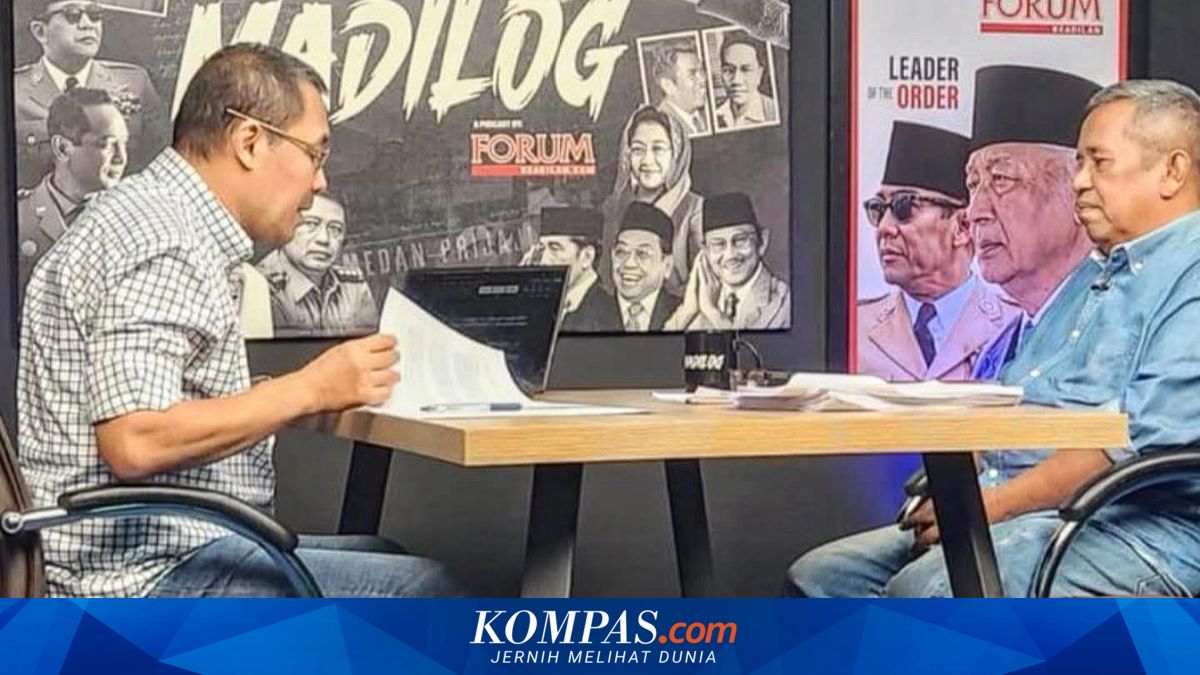
Bekasi — Ermanto Usman was not an unfamiliar name in port worker circles. The 65-year-old man was known to be actively fighting for worker rights whilst employed at PT Jakarta International Container Terminal (JICT), a subsidiary of Pelindo.
Ermanto was killed in an alleged armed robbery with assault at his home, located at Prima Lingkar Asri Housing Complex Block B4 No 14, Jatibening Village, Pondok Gede District, Bekasi City, on Monday, 2 March 2026. His wife, Pasmilawati (60), sustained severe injuries in the incident.
Ermanto’s brother, Dalsaf Usman, stated that whilst actively employed, Ermanto served as the chairman of the workers’ union at JICT and was known for vocally defending worker interests.
According to Dalsaf, his brother was dismissed from JICT twice. However, both dismissals were subsequently overturned.
“He was fired twice at Pelindo (JICT). When he was dismissed, the decision was eventually overturned by the Minister of Transportation,” said Dalsaf.
Nevertheless, the family did not wish to link this history to Ermanto’s death.
“We as a family do not wish to connect it to that matter. However, in the past month, his activities included meetings with important parties,” he said.
Dalsaf emphasised that the family was leaving the legal process entirely in the hands of the police.
“We are handing this over to law enforcement, specifically the police. To investigate thoroughly and uncover the motive behind this incident,” he said.
“Recently, father had been active and enthusiastic about creating a podcast. Father was part of the workers’ union during his time at JICT. That would make him an activist,” said his son.
In the podcast, Ermanto discussed alleged irregularities in the contract extension between JICT and Hutchison Port Holdings (HPH). The matter had been ongoing since 2015 and stemmed from a search operation by the Criminal Investigation Directorate of the National Police.
His son believed his father’s activities carried risks as they involved worker interests in the field.
“My father was trying to uncover the truth and prioritise the interests of workers in the field who are struggling,” said his son.