
Prolonged Middle East conflict expected to impact Jakarta's economy
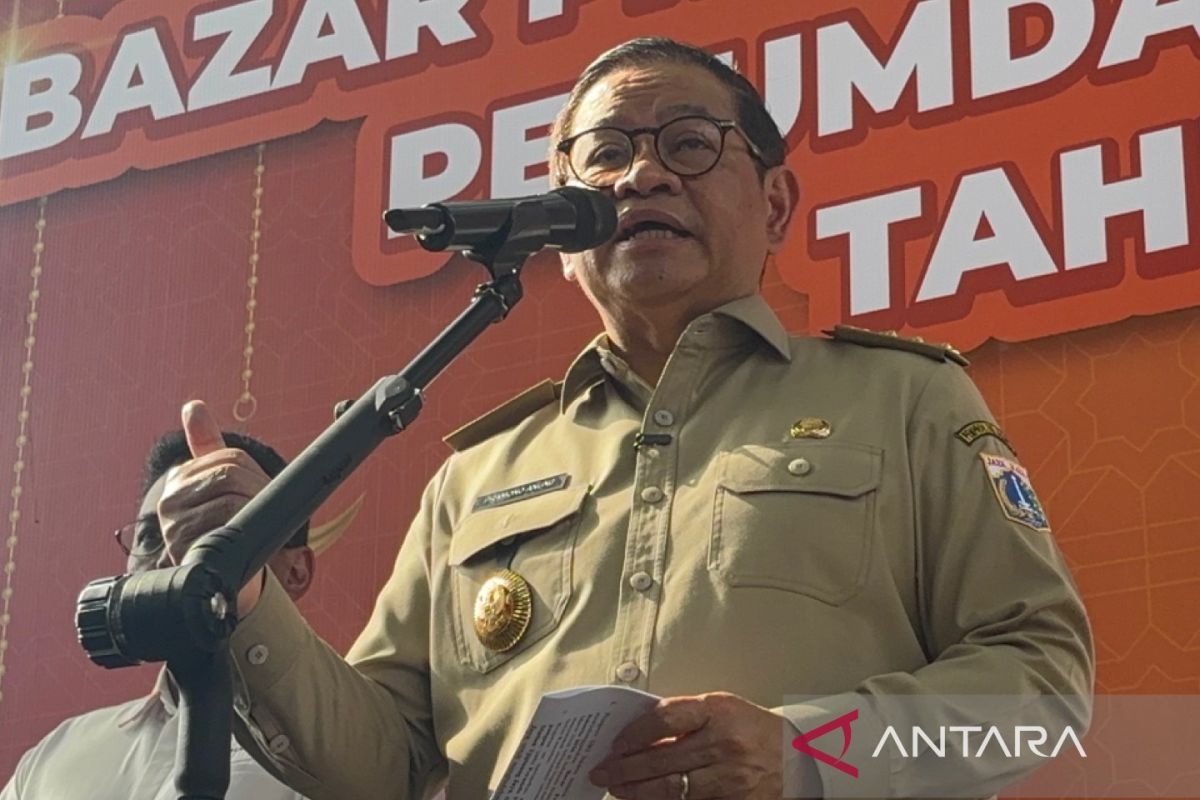
Jakarta (ANTARA) — Jakarta Governor Pramono Anung Wibowo has expressed concern that a prolonged Middle East conflict would have significant consequences for Indonesia’s economy, including the capital city.
“If the conflict lasts a long time, the impact will certainly be substantial. Why? Because the supply chain will experience significant changes,” Pramono said in remarks during a joint breaking of the fast at the West Jakarta Mayor’s office on Monday.
He noted that this would inevitably lead to increases in the prices of goods and services, as well as pressure on the rupiah’s exchange rate against foreign currencies.
“This will place strain on our state budget,” he said.
Pramono also highlighted that global oil prices are currently experiencing considerable increases.
In light of this, Pramono has asked officials from the West Jakarta Mayor’s office and the Coordinating Forum for Regional Leaders (Forkopimda) to work together to safeguard Jakarta.
“For this reason, unity, mutual cooperation, and trust are key words for how we as a great nation can face this challenge,” Pramono said.
Previously, Pramono had ordered his staff to prepare for possible crises amid the conflict between Iran and Israel-America.
“I have instructed the Regional State-Owned Enterprises (BUMD) to always think about crisis management. So if there are any shortages, such as certain products, we must prepare for this,” said Pramono.
However, as Jakarta’s leader, he recognised that the situation would impact the capital specifically in the goods and services sector.
Should this occur, price increases for goods may take place in Jakarta.
“Because first, the supply chain passes through the Strait of Hormuz, where nearly 30 percent or more of the world’s oil always passes, along with other goods,” he explained.
If the strait were to be closed, the supply chain would become longer, increasing transportation costs for goods and services and consequently affecting prices.
One example is that the Jakarta Government recently received imports of Australian cattle.
According to Pramono, this was undertaken as an effort to stabilise beef prices in the capital.
“This is our way of ensuring beef prices do not increase, and thankfully, they have not increased to date,” said Pramono.