
Prolonged Iran-Israel-US War: MPR Deputy Chairman Agrees to One Day of Weekly WFH
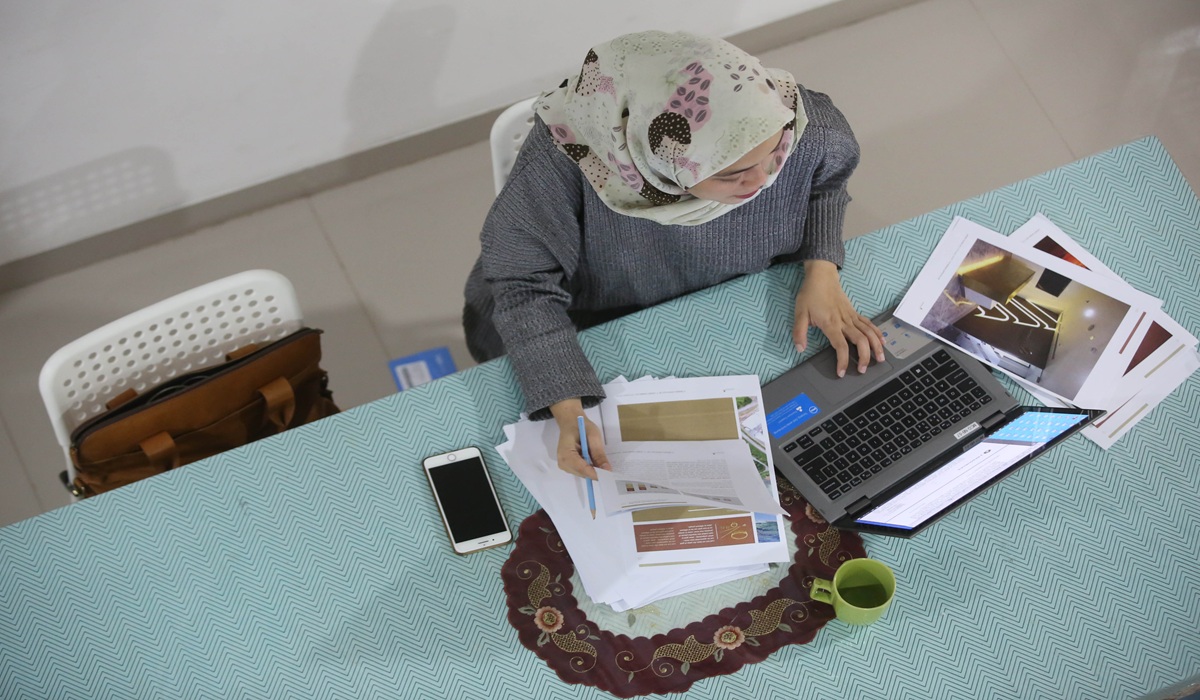
The Indonesian government prioritises maintaining the quality of education.
The Deputy Chairman of the MPR RI from the National Mandate Party (PAN) faction has expressed agreement with the government’s plan to implement a Work From Home (WFH) policy for one day per week. This is in response to the prolonged Iran-Israel-US war.
Eddy also stressed the importance of consistently preparing long-term energy policy designs.
According to him, WFH is one of the ‘quick actions’ that can temporarily save fuel oil consumption.
However, in the future, he said, reforming energy subsidies is a crucial priority that must not be delayed any longer.
“The surge in global oil prices will impact the increased burden of energy subsidies and narrow the state’s fiscal space. Therefore, we need to urgently reform energy subsidies to target those who truly need them,” said Eddy in an official statement on Thursday (26/3).
According to him, reforming energy subsidies is the way to provide justice for the most needy in society. It also minimises the potential for mis-targeted subsidies when they are received by those who are capable.
This PAN Deputy Chairman stated that, from the beginning, he has continuously pushed for energy subsidy reforms as a solution to reduce the state budget burden.
Moreover, various data show that the majority of subsidised Pertalite, solar, and LPG users are from affluent groups who are not entitled.
“Arranging energy subsidy policies must be directed towards strengthening national energy resilience. I have stated on various occasions that energy resilience is not only about the availability and reliability of supply, but also about the state’s effectiveness in managing energy resources in a fair, efficient, and sustainable manner,” he emphasised.
He reiterated the importance of redirecting budgets from mis-targeted subsidies to more productive sectors, including the development of new renewable energy.
Eddy assessed that this step is not only important for maintaining fiscal sustainability but also to ensure Indonesia has a more independent energy foundation in the future.
“Energy subsidies must be targeted instruments that can be redirected for renewable energy development to guarantee future national energy reliability. This aligns with President Prabowo’s vision to realise energy resilience,” he concluded.