
Prognosa: US tariff policy puts Indonesia in a strategic ASEAN position
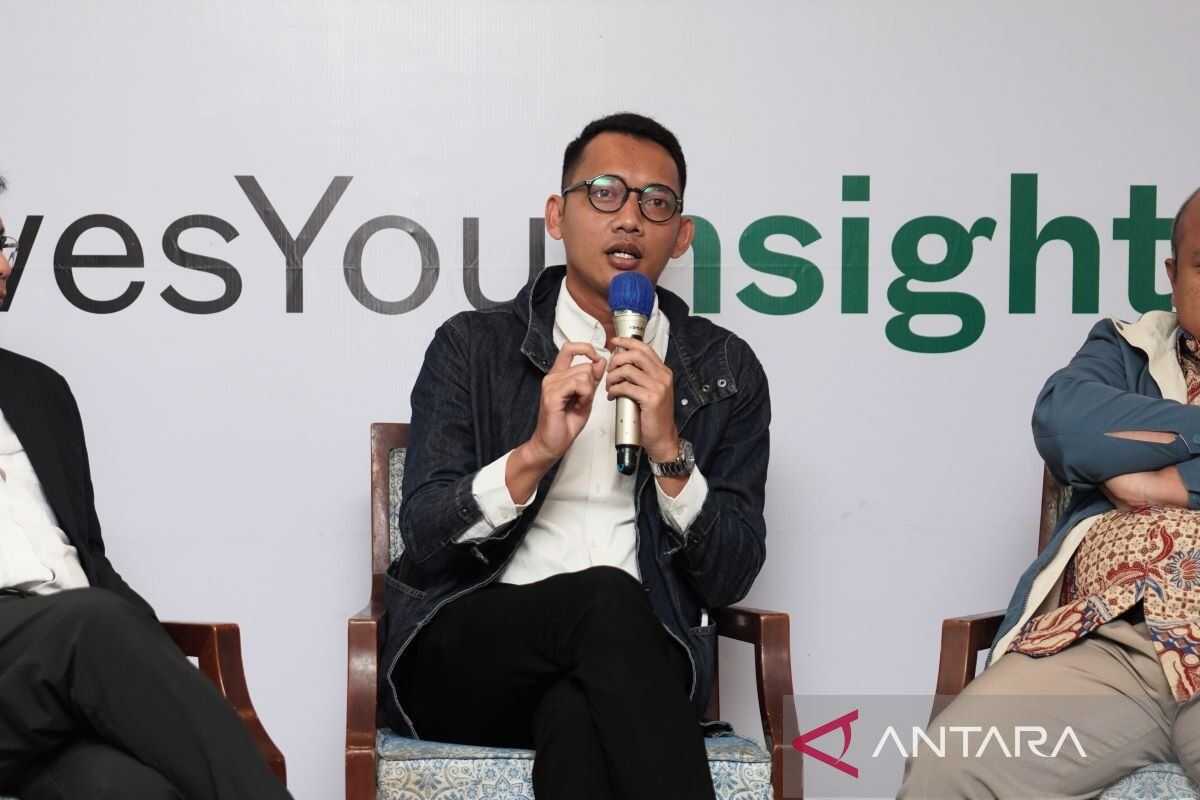
Jakarta (ANTARA) — Prognosa Research & Consulting, a research and consulting firm, has said that the United States’ reciprocal tariff policy (Agreement on Reciprocal Trade/ART) could place Indonesia in a strategic position among ASEAN member states in Southeast Asia.
“This agreement presents both opportunities and risks that the government and domestic industry players need to anticipate carefully,” said Garda Maharsi, Director of Prognosa Research & Consulting, in a statement in Jakarta on Friday.
The policy could open up significant competitive space for Indonesia, particularly for the textile sector and other flagship commodities.
The assessment is a finding from Prognosa Research & Consulting’s strategic study. Garda explained that in the study they discuss the full impact of Indonesia’s export downstream to the US—from 32 percent to 19 percent—coupled with a commitment to buy US products valued at USD 38.4 billion.
It also discussed adjustments to non-tariff policies, including their implications for industrial competitiveness, import dependence, and the downstream agenda.
This condition opens up significant competitive space, particularly for the textile sector and other flagship commodities. He continued that the obligation to purchase US products valued at USD 38.4 billion, covering the energy, aerospace, and agriculture sectors, could fundamentally alter the national trade structure if not managed with appropriate mitigation policies.
“It is important for the Government to ensure that the affected sectors are supported with commitments to knowledge transfer and technology transfer, in line with the agenda of creating value-added economic activity,” said Garda.
Therefore, the Indonesian government is advised to take strategic steps to safeguard the competitiveness of the domestic industry.
“To ensure survival, the Government should harmonise external standards, build a logistics industry, and sustainable financing. Such agreements can be a process of integration into Global Value Chains, provided that sectoral support is in place,” Garda said.
Meanwhile, regarding the decision by the US Supreme Court (referred to as MA) to lift tariff pressure and set a maximum of 10 percent, the Vice Chairman of the Public Affairs Forum Indonesia/API and Director of Public Affairs Praxis Sofyan Herbowo said that as a sovereign country Indonesia is not in a position to comment on that decision.
“That is their domestic mechanism which we must not intervene in,” he said.
Sofyan emphasised that in positioning terms, the Public Affairs community (PAFI) aims to maximise the gains from this tariff decision for the nation’s interests, domestic industry, and the public.
“This is important for Indonesia to seize the new opportunities and the benefits that can be maximised from this policy,” he said.