
Profile of Mojtaba Khamenei, Iran's New Supreme Leader
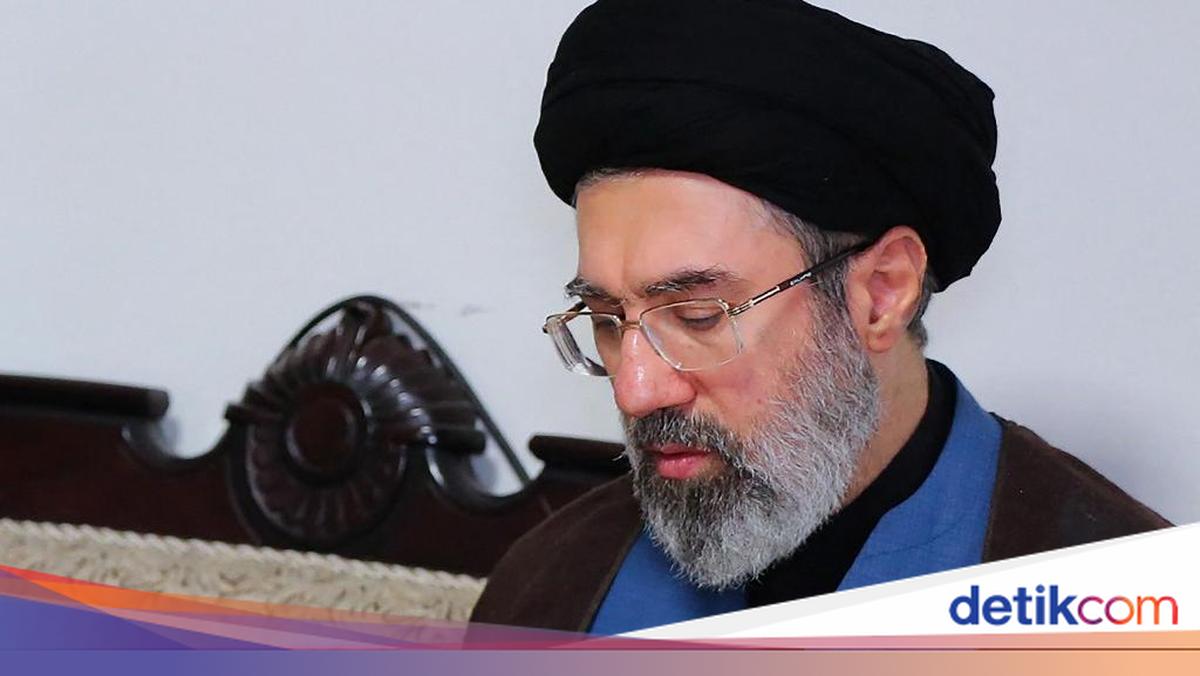
A significant leadership change occurred in Iran following the death of Ali Khamenei, the previous Supreme Leader, in a US-Israeli airstrike on Tehran on 28 February 2026. The attack took place on the first day of war between Iran and the two nations, and the death of the leader who had wielded power for nearly four decades immediately triggered major political and security dynamics within the country.
According to a Guardian report, on 8 March 2026, the Assembly of Experts, the clerical body responsible for selecting Iran’s Supreme Leader, appointed Ali Khamenei’s second son, Mojtaba Khamenei, as the new Supreme Leader of the Islamic Republic of Iran. In a statement broadcast by state media, the body stated that the decision was made through a vote described as a “decisive vote”.
The clerical body also urged the Iranian people to unite behind the new leadership, particularly amid the ongoing war situation. The appointment of Mojtaba Khamenei drew attention because, for the first time since the 1979 Iranian Revolution, the position of Iran’s Supreme Leader had passed from father to son, something that sparked debate about the possibility of dynastic-like patterns emerging in Iran’s political system.
Background of Mojtaba Khamenei
Mojtaba Khamenei was born in 1969 in Mashhad, a city in north-eastern Iran. He is the second son of Iran’s previous Supreme Leader, Ali Khamenei. According to a Guardian report, Mojtaba grew up in a clerical family environment closely connected to Iran’s political dynamics since the Islamic Revolution.
According to information from United Against Nuclear Iran, Mojtaba’s childhood occurred during a period when his father was one of the leading opposition figures against the monarchical government of Mohammad Reza Pahlavi. During this time, the Khamenei family experienced pressure from royal security forces on several occasions, including the arrest and exile of Ali Khamenei.
Following the success of the 1979 Iranian Revolution, the position of the Khamenei family changed dramatically. His father began holding several important positions in Iran’s government, including serving as president in the 1980s before eventually becoming Supreme Leader in 1989. This transformation meant that Mojtaba grew up in the elite political environment of the Islamic Republic of Iran.
Education of Mojtaba Khamenei
In his education, Mojtaba completed his general education in Tehran before continuing with religious education. According to a United Against Nuclear Iran report, he attended Alavi High School, a school known as an educational institution for Iran’s elite classes. Many important Iranian figures have also studied at this school.
After completing this education, Mojtaba then pursued religious studies at a seminary in Qom, the centre of Shia clerical education in Iran. In that city, he studied theology and religious sciences under several conservative clerics who wielded considerable influence in Iran’s politics.
According to a United Against Nuclear Iran report, among the clerics who served as his teachers were conservative religious scholars known for holding hardline views towards the West and liberal democracy. This educational environment helped shape Mojtaba’s ideological views in Iran’s politics.
Beyond religious education, Mojtaba also had military experience from an early age. According to an Al Jazeera report, he was involved in military operations during the Iran-Iraq War in the 1980s. During this period, he joined a unit affiliated with the Islamic Revolutionary Guard Corps (IRGC).
This experience enabled Mojtaba to build close relationships with several Iranian military figures who subsequently held important positions in the country’s security institutions. The network of relationships formed during the war period is considered to have been one of the foundations of Mojtaba’s political strength in later years.
Although coming from a ruling family, Mojtaba has never held public office or participated in general elections. However, according to analysis from Charles Sturt University, for many years he has been known as an extremely influential figure operating behind the scenes in the office of Iran’s Supreme Leader.
Mojtaba Khamenei is frequently described as the main intermediary who controlled political access to his father, whilst also being a figure with considerable influence within the network of conservative clerics and Iran’s security institutions. According to analysis from The Washington Institute for Near East Policy, Mojtaba has long been considered one of the key figures in Iran’s inner circle of power, serving a role in connecting the clerical, military, and state bureaucratic institutions.
Political Views of Mojtaba Khamenei Regarding the Iran-US-Israel Conflict
Mojtaba Khamenei’s political views have frequently been associated with hardline positions in Iran’s politics. According to analysis from Charles Sturt University, Mojtaba’s reputation has been built on his closeness to the state security network and his critical stance towards political reform and relations with the West.
His relationship with the Islamic Revolutionary Guard Corps has led many observers to estimate that his leadership will further strengthen the military’s role in Iran’s political system. Additionally, according to analysis from The Washington Institute for Near East Policy, Mojtaba’s personal experience of his father’s death resulting from US and Israeli military strikes is likely to influence his political approach towards the two countries.
The institute assessed that Mojtaba is likely to adopt a strategy referred to as “defiant consolidation”, which entails strengthening regime stability through military force, increasing the IRGC’s role in government, and expanding the use of military strategies such as missile attacks and asymmetric operations.
On the other hand, according to Charles Sturt University analysis, leadership transitions in Iran are rarely straightforward.