
Profile of Michael Bambang Hartono, Owner of the Djarum Group Who Passed Away Today
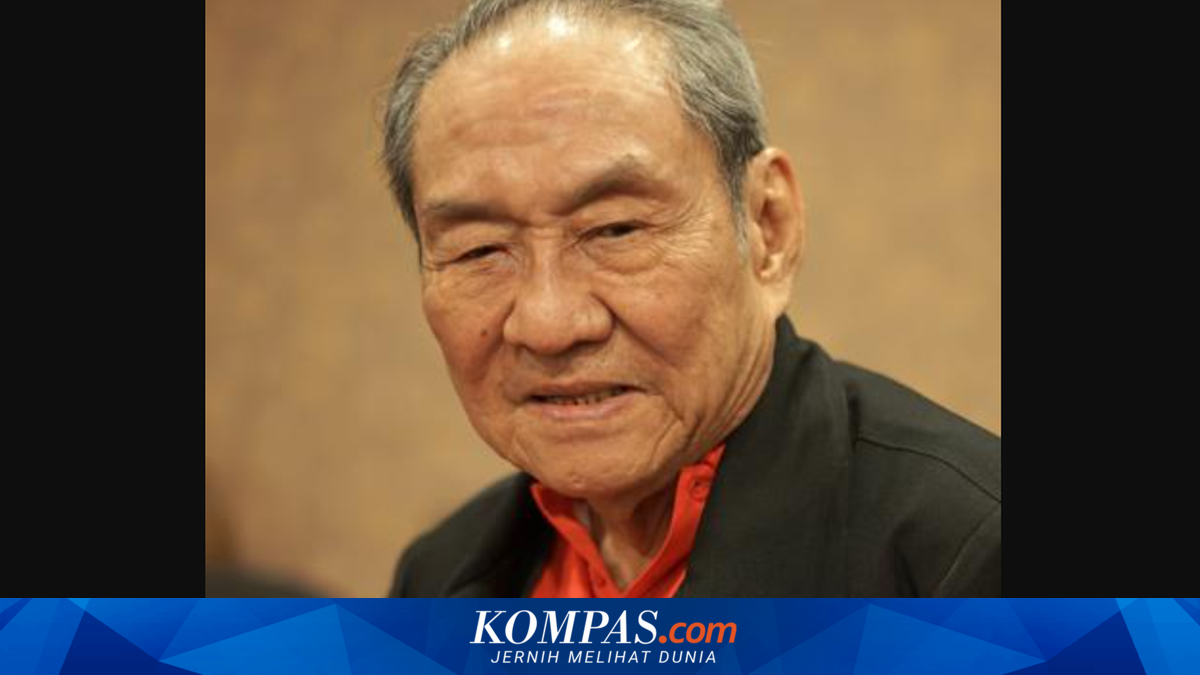
JAKARTA, KOMPAS.com – National entrepreneur and owner of the Djarum Group, Michael Bambang Hartono, passed away on Thursday (19/3/2026) in Singapore at 13:15 local time. The news of his passing was confirmed by the management of PT Djarum. “The Djarum Family extends its deepest condolences on the passing of Mr Michael Bambang Hartono on Thursday, 19 March 2026, at 13:15 Singapore time,” said Corporate Communication Manager of PT Djarum, Budi Darmawan. Behind his position as one of Indonesia’s richest individuals, Michael Hartono was known as a figure who lived a simple life and tended to stay away from the spotlight. His persona became a topic of public discussion after a photo of him eating at a simple roadside stall in Semarang went viral in 2019. The stall was known to have been his regular eating spot for a long time, even since he was still selling from a roadside tent. This habit reflected his preference for comfort over image. Michael Bambang Hartono was born in Kudus, Central Java, on 2 October 1939, with the name Oei Hwie Siang. He was the son of Oei Wie Gwan, an entrepreneur who developed a small cigarette factory into Djarum. The two then restructured the business and modernised production. This step propelled Djarum’s rapid growth in the 1970s, alongside the rising national kretek cigarette industry and expansion into export markets. Beyond the tobacco business, Michael drove expansion into various sectors. The Djarum Group entered the electronics industry through Polytron in 1975, then ventured into plantations, property, and telecommunications towers. This diversification continued into the technology sector. Through GDP Venture, the Djarum Group invested in several digital companies such as Gojek, Kaskus, Blibli, and tiket.com. In 2022, Blibli’s parent company, Global Digital Niaga, recorded an initial public offering (IPO) raising approximately 510 million US dollars. During that period, the national banking sector faced severe pressure, including Bank Central Asia, which was later taken over by the government as part of rescue efforts. Seeing the opportunity, the Hartono family entered the banking sector. Through the FarIndo Investments consortium, they became the controlling shareholders of Bank Central Asia in the early 2000s.