
Profile of Dicky Kartikoyono, New Consumer Protection Supervisor at OJK
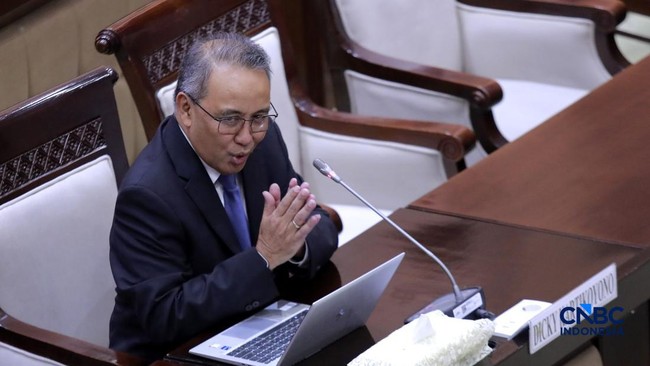
Jakarta — The Indonesian House of Representatives Commission XI has approved Dicky Kartikoyono as Head of the Behavioural Supervision, Education and Consumer Protection Department (PEPK) of the Financial Services Authority (OJK), replacing Friderica Widyasari Dewi.
Widyasari Dewi has assumed the position of OJK Chairman, succeeding Mahendra Siregar who resigned in late January following a series of negative developments in the Indonesian capital market, triggered by the suspension of Indonesian shares from the MSCI index.
According to Bank Indonesia’s official website, Dicky Kartikoyono was born in Jakarta in 1967. He completed his undergraduate degree in Accounting from the Jakarta Higher School of Economics (STIEY AI) in 1994. He subsequently pursued further education at George Washington University, earning a Master’s degree in Project Management in 1999.
Kartikoyono began his career at Bank Indonesia in 1995 and has served as Head of the Payment Systems Policy Department since 2023. Previously, he held positions including Head of the Strategic Management and Governance Department (2022–2023), Head of the Bank Indonesia London Office (2020–2022), and Executive Director level positions at the London office (2020–2022).
Kartikoyono may experience déjà vu, as his name was also included in the list of Deputy Governor candidates for Bank Indonesia in a presidential letter numbered R-22/Pres/05/2025 submitted to the House of Representatives.
On 1 July 2025, he underwent a fit and proper test before Commission XI of the House of Representatives at the Parliament Building in Jakarta. During the test, he outlined his mission to establish a resilient and efficient national economic foundation through payment infrastructure and data, which he described as key components. He also articulated his vision to create a trusted and healthy digital financial ecosystem. According to him, this digital ecosystem would serve as a catalyst for economic growth by unlocking substantial potential for micro, small and medium enterprises (MSMEs) and driving inclusive, innovative and sovereign economic growth through improved financial access for the business sector.