
Processing Waste with Maggots: Initially Disgusting, Eventually Without Gloves
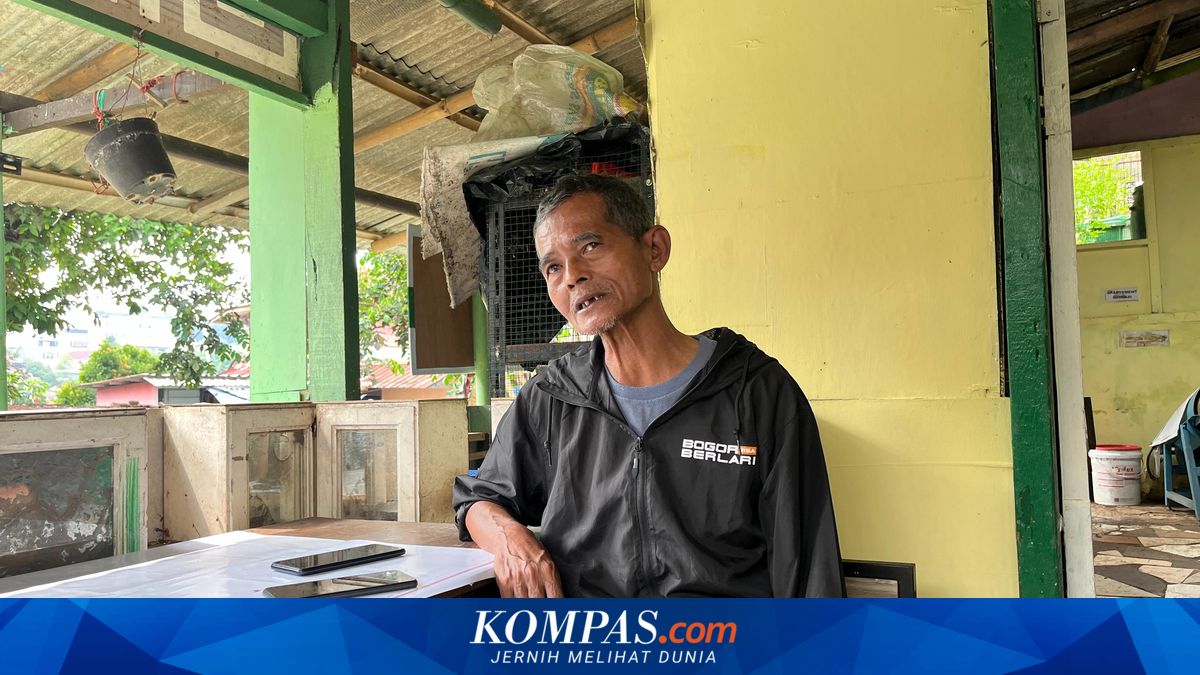
BOGOR, KOMPAS.com - Dadang Sutarsa appears comfortable with the sour smell from leftover rice in the box since morning. Occasionally, his hand sifts through the box. His hand even touches the maggots directly. Black Soldier Fly (BSF) maggots are his best “employees” for breaking down organic waste. In the Siliwangi Waste Bank room, all organic waste is devoured by the maggots. Before becoming the coordinator of the Waste Bank in the Sukamulya area of Bogor City, Dadang was quite concerned about the rubbish scattered on roads and riverbanks. From there, he was moved and invited other residents to create a waste bank to foster a clean and healthy environment, starting in 2017. Dadang then collaborated with the Bogor City Ciliwung Naturalisation Task Force, established based on Bogor Mayor’s Decree No. 660.45-247 of 2018. “Back then, it was scattered along the riverbank, with no management. Coincidentally, there was a regional regulation from the government regarding the Ciliwung naturalisation at that time. We collaborated there, and it was our opportunity to open the waste bank,” said Dadang when met by Kompas.com at the Siliwangi Waste Bank in Bogor City on Tuesday (12/5/2026). Dadang and his team from the Siliwangi Waste Bank often conduct outreach to the community to dispose of waste properly. However, the waste problem will not end at the Galuga landfill because it can cause accumulation there if not processed from the source. For example, waste that is usually discarded in one plastic bag becomes half a plastic bag because the organic waste has already been broken down by maggots at the Siliwangi Waste Bank. The use of the maggot method began with the Siliwangi Waste Bank group’s desire to find a quick way to decompose organic waste. They searched for methods online and learned from the Bogor City Environmental Agency (DLH) regarding waste management.