
Processing Industry Boosts Exports, Indonesia's Trade Surplus Remains Maintained
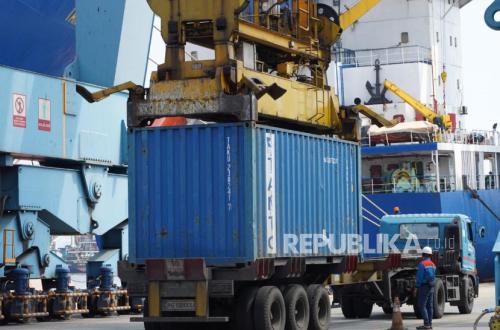
The performance of the processing industry is beginning to show a strong role in supporting Indonesia’s exports at the start of 2026. Amid global uncertainties, this sector has become the main pillar of the trade balance surplus.
The Central Statistics Agency (BPS) recorded that Indonesia’s trade balance for January-February 2026 remained in surplus at US$2.23 billion. This achievement continues the surplus trend that has been ongoing since mid-2020.
“Up to February 2026, Indonesia’s trade balance still recorded a surplus of US$2.23 billion,” said Deputy for Distribution and Services Statistics at BPS, Ateng Hartono, during the Official Statistics News press conference on Wednesday (1/4/2026).
Indonesia’s export performance grew by 2.19% year-on-year during that period. This increase was primarily supported by the processing industry sector, which recorded a higher rise of 6.69%, with export value reaching US$37.06 billion.
The strengthening of industrial exports illustrates a shift in Indonesia’s export structure, which is no longer solely reliant on raw commodities. Higher-value-added products such as iron and steel, nickel and its derivatives, as well as machinery and electrical equipment, have become key contributors.
Overall, the trade surplus is still supported by the non-oil and gas sector, which recorded an excess of US$5.42 billion. Meanwhile, the oil and gas sector still experienced a deficit of US$3.19 billion.
The three main export destination countries for Indonesia are still dominated by China, the United States, and India, contributing nearly 44% to total non-oil and gas exports.
Exports to China are dominated by commodities such as iron and steel, nickel, and mineral fuels. Meanwhile, exports to the United States mostly come from manufactured products like machinery and electrical equipment, footwear, and clothing.
On the other hand, Indonesia’s imports also increased. The cumulative import value reached US$42.09 billion, or up 14.44% year-on-year, primarily driven by the need for raw materials and capital goods.
Nevertheless, the strengthening of the industrial sector in exports provides hope for the sustainability of downstreaming and increasing added value in the national economy.