
Processed foods and beverages with high cancer risk: Here is the list
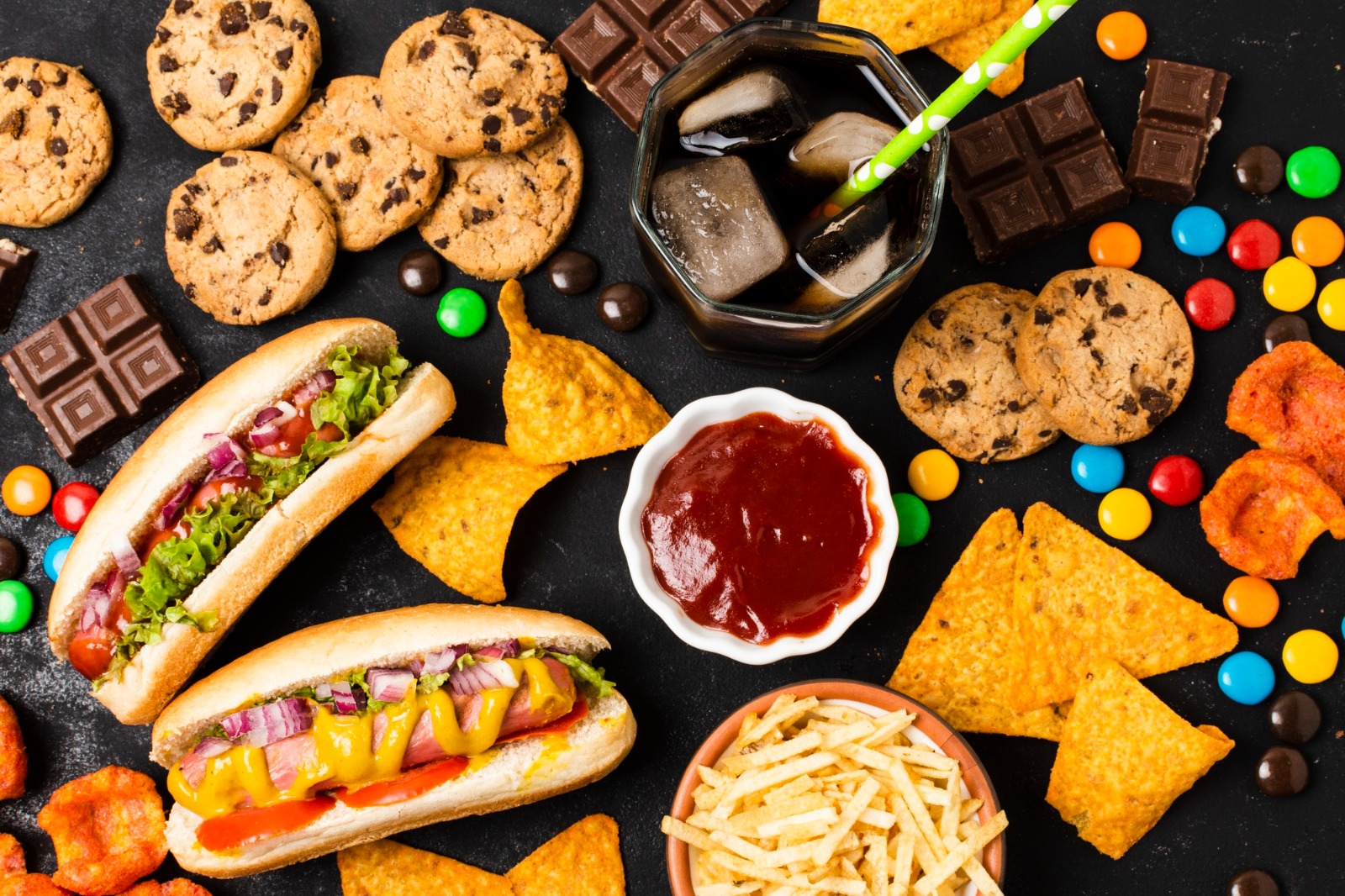
Processed foods and beverages with a high risk of cancer are a concern, as are carcinogenic substances found in foods, chemicals, medicines, viruses, and radiation. Carcinogenic substances work by damaging cells and causing genetic mutations, leading to faster cell division and the formation of abnormal cells that may develop into cancer. Carcinogenic foods and drinks are often contaminated with pesticides, heavy metals, and even industrial waste. Additives or food additives, such as aspartame and saccharin, are also carcinogenic. In addition, foods and beverages mixed with colouring agents and Food Additives (BTP) such as borax, formalin, and nitrates contain carcinogens. Carcinogenic substances are also found in meat fried at high temperatures or grilled. A cancer study published in January 2026 in The BMJ studied the impact of 58 preservatives on individuals without cancer observed over 14 years from 2009 onward. Of those preservatives, six—sodium nitrite, potassium nitrate, sorbate, potassium metabisulfite, acetate, and acetic acid—were linked to cancer. Sodium nitrite used in processed meat is associated with a 32% increased risk of prostate cancer. The World Health Organization (WHO) even regards processed meat as carcinogenic to colorectal cancer. Meanwhile, potassium nitrate, sorbate, potassium metabisulfite, and acetate can pose risks for breast cancer. Acetic acid, the main component in vinegar, has been linked to an increased risk of all cancer types in the study. Anti-oxidant preservatives, such as vitamin C, vitamin E, plant extracts, and synthetic preservatives, are linked to a lower cancer risk when consumed as whole foods. Overall, carcinogenic foods and drinks can trigger a greater cancer risk. Generally, carcinogenic foods and drinks are found in red meat, instant foods and beverages, and alcoholic drinks. Here is the list of foods and drinks that may trigger cancer: 1. Smoked and pickled foods increase the risk of stomach cancer. 2. Alcoholic beverages have a high risk for oesophageal cancer. 3. Foods and drinks containing colouring agents and Food Additives (BTP) carry risks of stomach cancer, colon cancer, liver cancer, and pancreatic cancer. 4. Foods and drinks containing heavy metals can raise risks of colon and kidney cancer. 5. Foods and drinks containing contaminants can increase risks of lung cancer, stomach cancer, kidney cancer, rectal cancer, colon cancer, and liver cancer. 6. Sweets made from refined flour or excessively processed meat increase risks of prostate cancer, colorectal cancer, and pancreatic cancer. To reduce cancer risk, you should consume healthy foods prepared with natural and hygienic ingredients. Healthy foods include plant-based foods such as cereals, tubers, legumes, and pulses. These plant-based foods contain carbohydrates, protein, vitamins and minerals, as well as bioactive compounds with anti-oxidant properties and fibre that can slow cancer progression. Another prevention method is to eat high-fibre foods, stay physically active, strive for an ideal body weight, and adopt a healthy lifestyle.