
Prices Rise, Plastic Traders Buy in Limited Quantities
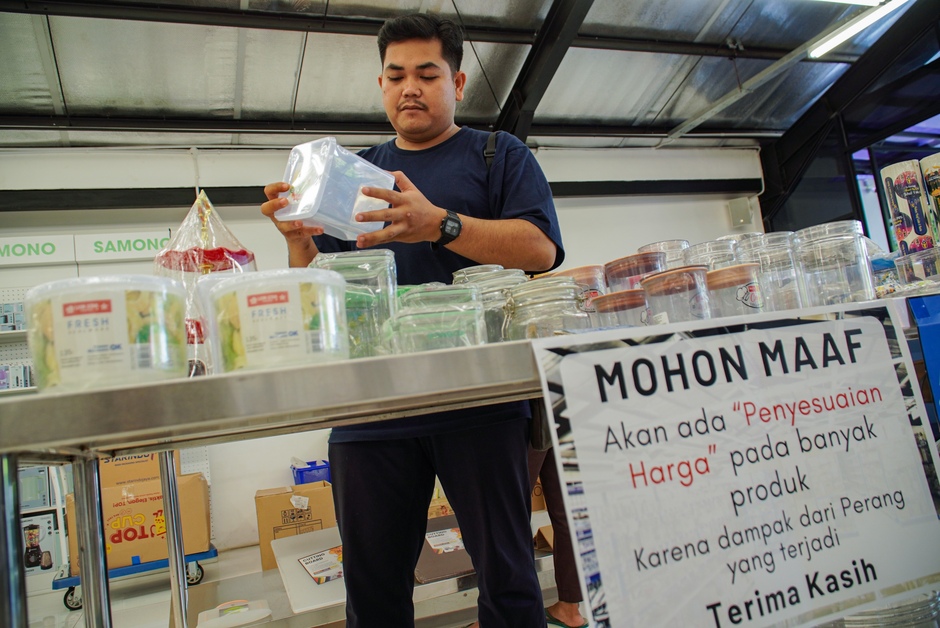
The government faces a policy dilemma with no truly comfortable options. Experiencing a significant price increase, plastic traders have seen a substantial drop in turnover. As observed at Pasar Kadipaten, prices for various types of plastic materials have surged sharply, up to double, affecting nearly all products from straws and plastic bags to ice plastics, cup glasses, and others. “The price surge has occurred across the board in a short time. This situation forces traders to be more cautious in managing purchases to avoid losses,” said Tresna, a plastic trader at the market, on Wednesday (8/4). Tresna explained that the plastic price rise began to be felt from mid-Ramadan and continues to this day with unpredictable changes. “The price surge has drastically increased capital needs to obtain the same quantity of goods,” Tresna stated. Previously, with Rp2.5 million in capital, one could obtain around 10 boxes of goods, but now up to Rp5 million is required. “Now we have to shop every day to follow the price changes. The increases change quickly; sometimes you buy today, and it’s different tomorrow,” Tresna said. This condition is making sellers like them dizzy. The impact of the plastic price increase is also felt by beverage business actors, especially ice sellers who rely on plastic packaging materials. Rising production costs force some traders to adjust selling prices to keep the business running. Muhammad Rizki, an ice trader, stated that the raw material price increase has been quite significant and occurs almost daily. “The increases are quite high and keep changing. Even not just plastic, other materials like fruit are also rising,” he said. He admitted to raising his product selling price from Rp10,000 to Rp12,000 per cup to cover the production cost increase, even though raw material costs have risen by around 50 percent. “If not raised, it won’t cover capital. But I only increased it by about 20 percent so it’s still affordable,” Rizki said. However, Rizki also admitted that despite the price adjustment, sales turnover remains down due to weakened community purchasing power.