
Prices of Five Agricultural Commodities Surge Amid Iran Conflict
Geopolitical tensions in the Middle East are spilling over into the global agricultural supply chain. The Strait of Hormuz is a critical chokepoint as a large share of world energy and crop nutrients trade passes through the region. Disrupted distribution directly pushes up input costs ahead of the planting season in the northern hemisphere.
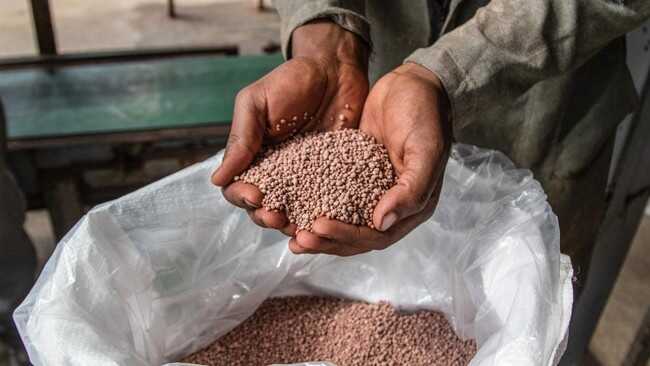
According to Farmdoc in a report citing analysts StoneX, nitrogen fertiliser prices have surged in recent days. Urea at the New Orleans port traded around US$520–US$550 per tonne, up from an average of US$475 per tonne in the previous week.
An increase of about US$70 per tonne occurred after military conflict in the Gulf region triggered fears about fertiliser distribution from the Middle East. About a quarter of global nitrogen trade passes via the Strait of Hormuz, so logistical disruptions directly trigger price readjustments.
Rising fertiliser costs usually propagate quickly to the agricultural commodity markets. Producers face higher production costs at the start of the planting season, while traders begin to factor in potential supply shortfalls. Price movements over the past week show the response already visible in some food commodities and textile feedstocks.
Trading Economics data show five agricultural commodities with the largest weekly gains at the moment, led by milk. Milk prices were US$16.56 per hundredweight on 5 March 2026, up 10.92% week on week. On a monthly basis, prices rose 7.67%, though still about 9.46% lower than the same period last year.
Next up is the orange juice market. Orange juice prices reached 194 cents per pound on 4 March 2026, up 8.71% in the week. Over the past month prices have jumped more than 21%, though on an annual basis remain well below last year after a lengthy market correction.
The rice market also moved higher on a weekly horizon. Rice futures were at US$10.39 per cwt, up 4.47% over the week. This move came after rice had corrected in recent months, leaving room for a rebound amid concerns about global production costs.
Natural textile commodity wool recorded a weekly gain of 4.37%, trading at AU$1,767 per 100 kilograms. Demand from the textile industry and supply constraints from Australia helped sustain the rise. Over the past year, wool prices have already risen more than 44%.
Following that, palm oil prices. Malaysian futures rose 3.58% in the week.
Support comes from higher crude oil prices due to the Middle East conflict and the depreciation of the ringgit boosting export competitiveness. However, markets are weighing Malaysia’s February export drop, down more than 20% versus January.
The movements in these five commodities show how geopolitical tensions can quickly ripple from energy markets into the food sector. Fertiliser, energy and logistics are part of the same ecosystem. When input costs rise at the start of the global planting season, volatility in agricultural commodity prices tends to follow in the coming weeks.