
Preventing Brake Failure on Automatic Vehicles on Downhill Roads
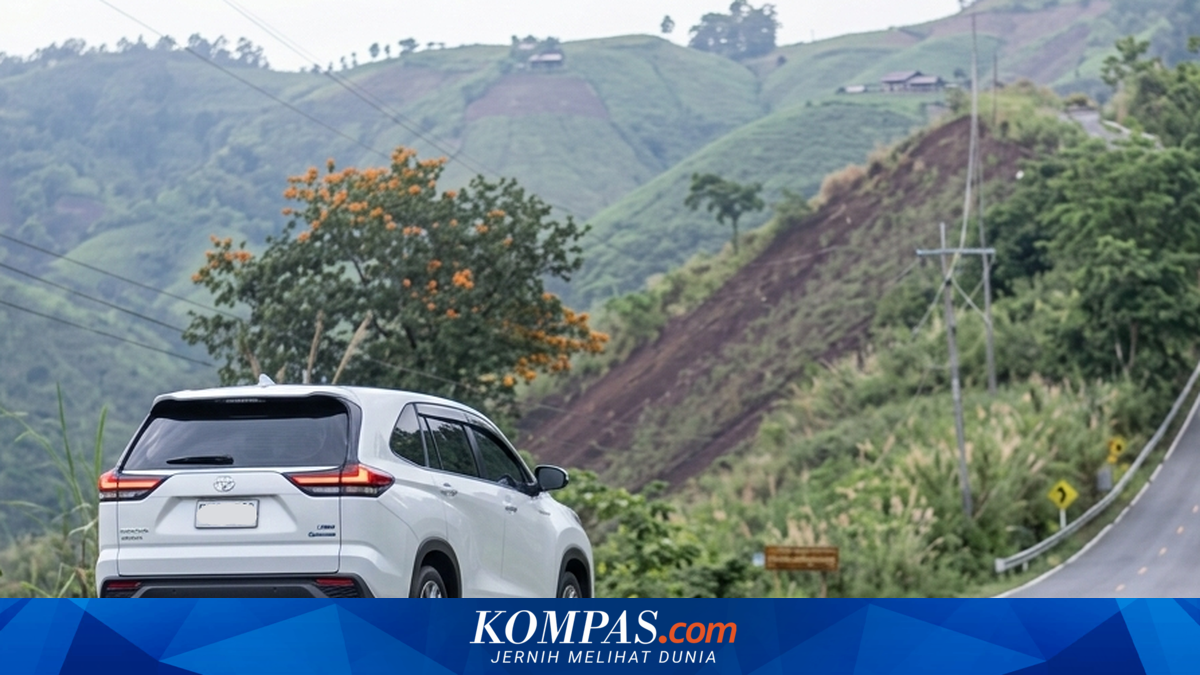
SOLO — Brake failure on automatic vehicles descending hills is typically caused by excessive heat in the braking system. This condition occurs when the brakes are used continuously without respite, causing braking capability to diminish drastically.
The primary prevention method is to utilise engine braking. Drivers can shift the transmission lever from position D to 3, 2, or L before entering a downhill section to maintain vehicle speed.
Engine braking helps reduce reliance on the foot brake. In this way, heat build-up on brake pads and discs remains controlled during downhill travel.
“Therefore, the main brakes require engine braking assistance to slow the vehicle on downhill slopes. On automatic vehicles, engine braking can be achieved by shifting the transmission lever to position L or 1,” Hardi told KOMPAS.com on Friday, 27 February 2026.
Hardi cautioned that drivers must not shift the automatic transmission to neutral whilst descending hills. This approach removes the engine’s braking power, forcing the main brakes to work harder to control the vehicle’s descent.
Brake condition should be inspected before long journeys. Adequate brake pad thickness, sufficient brake fluid, and absence of leaks will enhance safety when traversing downhill roads.
“It is important to inspect brake performance before using the vehicle for long-distance travel, as this ensures the brakes can function optimally throughout the journey, preventing brake failure under heavy load conditions,” said Imun, owner of Ford Truck Specialist Workshop in Klaten, to KOMPAS.com on Thursday, 26 February 2026.
“Vehicle load also affects brake performance. Excessive cargo increases downward force, causing the brakes to heat up more rapidly,” Imun added.
If the vehicle has features such as L mode or Hill Descent Control, utilise these when traversing steep downhill sections. These features are designed to maintain stable speed control.