
Presidential Secretariat says death of student in Bengkulu Utara not related to MBG
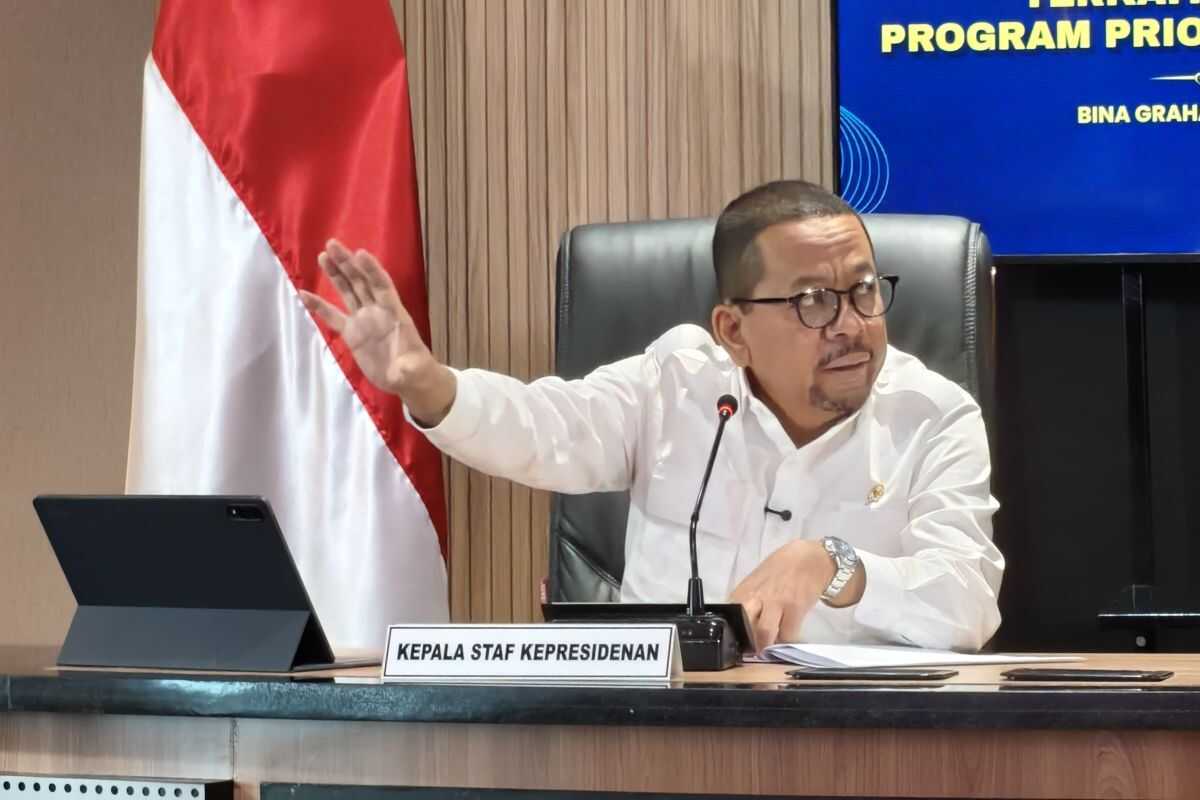
Jakarta (ANTARA) – The government says the death of a student at Madrasah Ibtidaiyah Negeri (MIN) 2 Ketahun, Bengkulu Utara, is not related to the Free Nutritious Meals (MBG) programme. The clarification was delivered by Presidential Chief of Staff M. Qodari at a press conference at the Presidential Secretariat building, in the Istana complex, Jakarta, on Wednesday, while also addressing rumours circulating among the public. ‘The National Nutrition Agency emphasises that the death of the student is not related to the MBG programme,’ he said. Qodari expressed deep condolences on the death of a student named Fatih, emphasising that the safety of children remains the government’s top priority. He stressed that any incident suspected of being connected to a government programme is always followed up seriously and comprehensively. Based on the investigation, Qodari said the student was found to have fainted before consuming the MBG package distributed on the day of the incident. ‘Medical test results, a CT scan at Bhayangkara Hospital show a brain bleed, not clinical signs of food poisoning,’ he said. Qodari noted that the results of laboratory tests by the Food and Drug Monitoring Agency (BPOM) on samples of food at SPPG Giri Kencana were negative for harmful bacteria, including E. coli or other contaminants. Amid the clarification, Qodari also outlined the MBG programme’s progress, which as of 2 March 2026 has reached 61.2 million beneficiaries across Indonesia. During January and February 2026, 96 notable incidents were recorded, with a downward trend from 52 cases in January to 44 cases in February. As a corrective and preventive measure, the government has temporarily halted operations of 47 SPPG units for a comprehensive evaluation, accelerated hygienic certification, enhanced food safety training, and strengthened oversight in cooperation with local governments and health agencies.