
Presidency of the UN Human Rights Council Urges Collective Action Amid UN Crisis
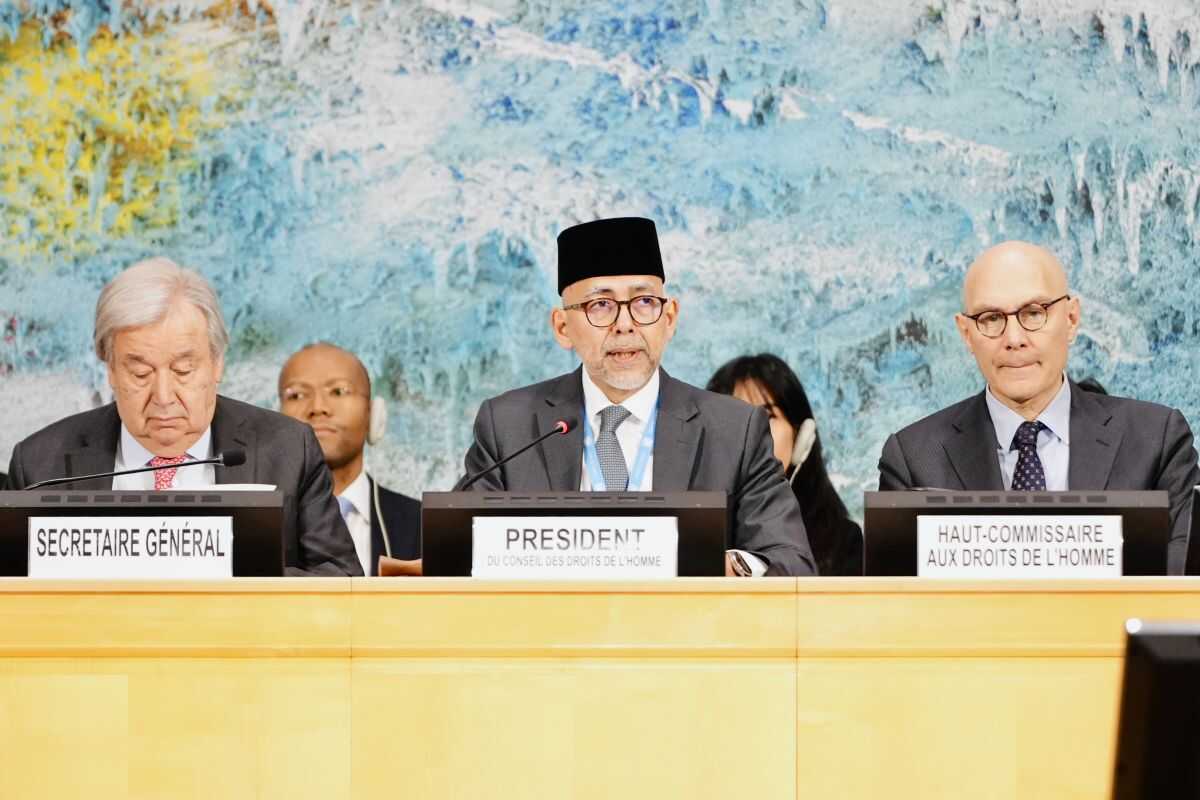
Jakarta (ANTARA) — The Presidency of the United Nations Human Rights Council (UNHRC) has urged collective steps together with the President of the UN General Assembly and the UN Secretary-General to address the crisis affecting the UN. “The world is facing geopolitical turmoil that is becoming increasingly complex. The geopolitical rivalries of major powers that are sharpening, and the growing unilateralism, are eroding the foundations of multilateral cooperation,” said Sidharto Reza Suryodipuro, Indonesia’s permanent representative to the UN in Geneva. This situation places the UN’s continuity under serious pressure, including the UNHRC, he added in a press briefing from the Indonesian Permanent Mission to the UN (PTRI) in Jakarta, received on Friday. The issue has been a focus at the 61st High-Level Segment of the UNHRC on 23 February, where Indonesian Foreign Minister Sugiono participated along with more than 120 leaders and foreign ministers from various regions. In his speech, Sugiono explicitly urged that the credibility of the UNHRC must be safeguarded by all countries. The UNHRC has long played a crucial role as a forum for dialogue and cooperation among states in addressing human rights issues. Unfortunately, UN Secretary-General Antonio Guterres has said that the organisation is currently facing the most serious financial crisis in its history. In a letter sent in January, he warned that without adequate support, the UN risks major operational disruptions from July 2026. This situation occurs amid rising conflicts in several regions, including Ukraine, Palestine, Sudan, Myanmar, Afghanistan, Haiti, as well as the latest tensions in Iran and the Middle East. This year, the international community will mark the 20th anniversary of the UNHRC’s establishment. The milestone provides an opportunity to reflect on the needs and capacity of the international human rights architecture to remain adaptive in the face of evolving global challenges. Indonesia, as a UN member state, will also continue to contribute actively, ranging from discussions on issues that are major priorities in its foreign policy to organising side events that highlight efforts to strengthen children’s access to nutritious food.