
Preserving the mudik tradition in the Maluku archipelago
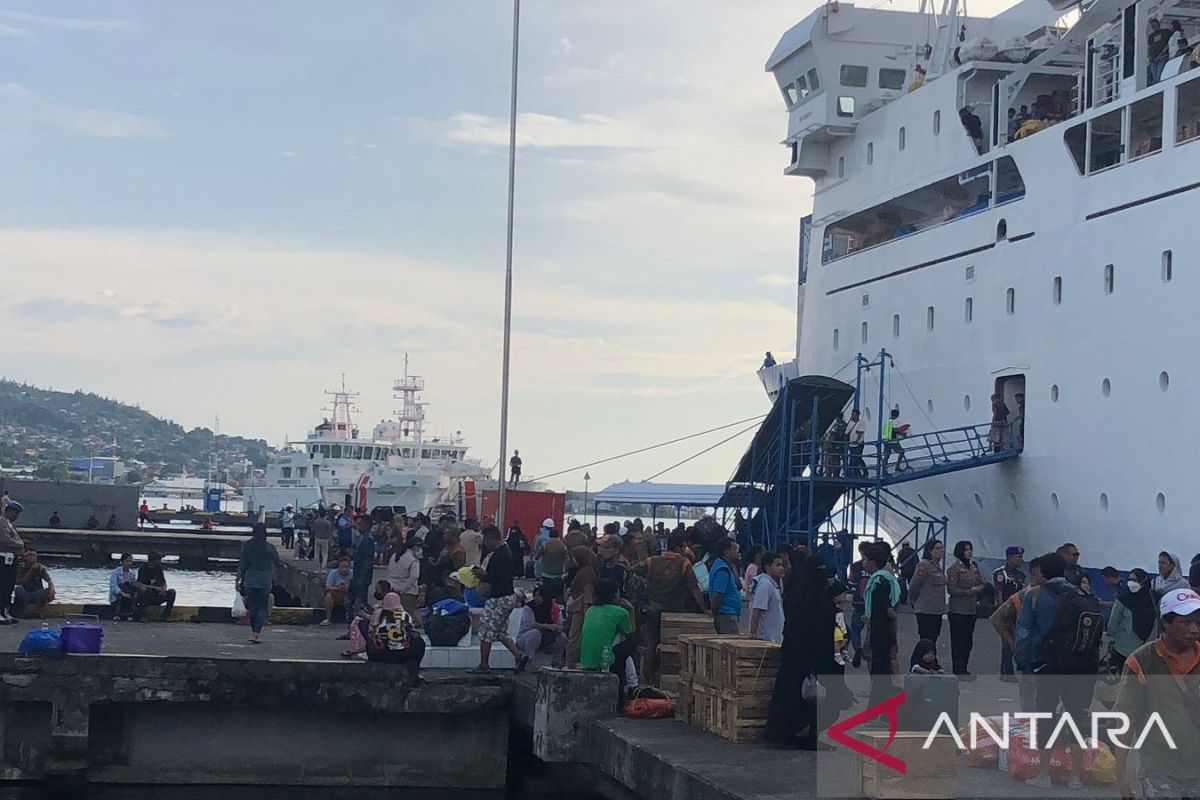
Ambon — As Idul Fitri approaches, the atmosphere at ports across Maluku invariably becomes busier than on ordinary days.
Thousands of residents carrying large bags, cardboard boxes filled with gifts, and baskets of essential supplies can be seen crowding the docks, waiting for ships to depart to their home islands.
This scene exemplifies the distinctive mudik tradition in the island province, where the journey home is not undertaken via motorways or land routes, but across the vast seas between thousands of islands that form the Maluku region.
Maritime transport serves as the vital lifeline for population mobility because most of Maluku consists of islands separated by substantial stretches of sea. Passenger ships, pioneering vessels, and fast boats are the primary means connecting cities with coastal villages.
At Yos Sudarso Port in Ambon, for instance, mudik activity begins to build from early morning as prospective passengers from various backgrounds — workers, students, and traders — arrive early to secure their place on ships bound for their destination islands.
For many mudik travellers, the homecoming journey in Maluku is not always straightforward. Many must undertake journeys in multiple stages.
After crossing by large ship from Ambon, some residents must continue their journey using wooden boats, motorised boats, or speedboats to reach villages on smaller islands.
This lengthy journey is part of the mudik experience for island communities. On ship decks, passengers often spend time chatting, sharing food, and enjoying the ocean panorama accompanying their journey to their home villages.
However, sea travel is not always easy. In recent years, weather conditions in Maluku waters have frequently changed suddenly. Strong winds, high waves, and heavy rain often pose challenges for inter-island vessels. These conditions sometimes cause journeys to be postponed or take longer than scheduled.
For mudik travellers, such situations represent part of the maritime travel risks that they have long understood. Passengers frequently wait hours at ports when ships delay departure for the sake of voyage safety.