
Preserving the hope of Aceh's reconstruction
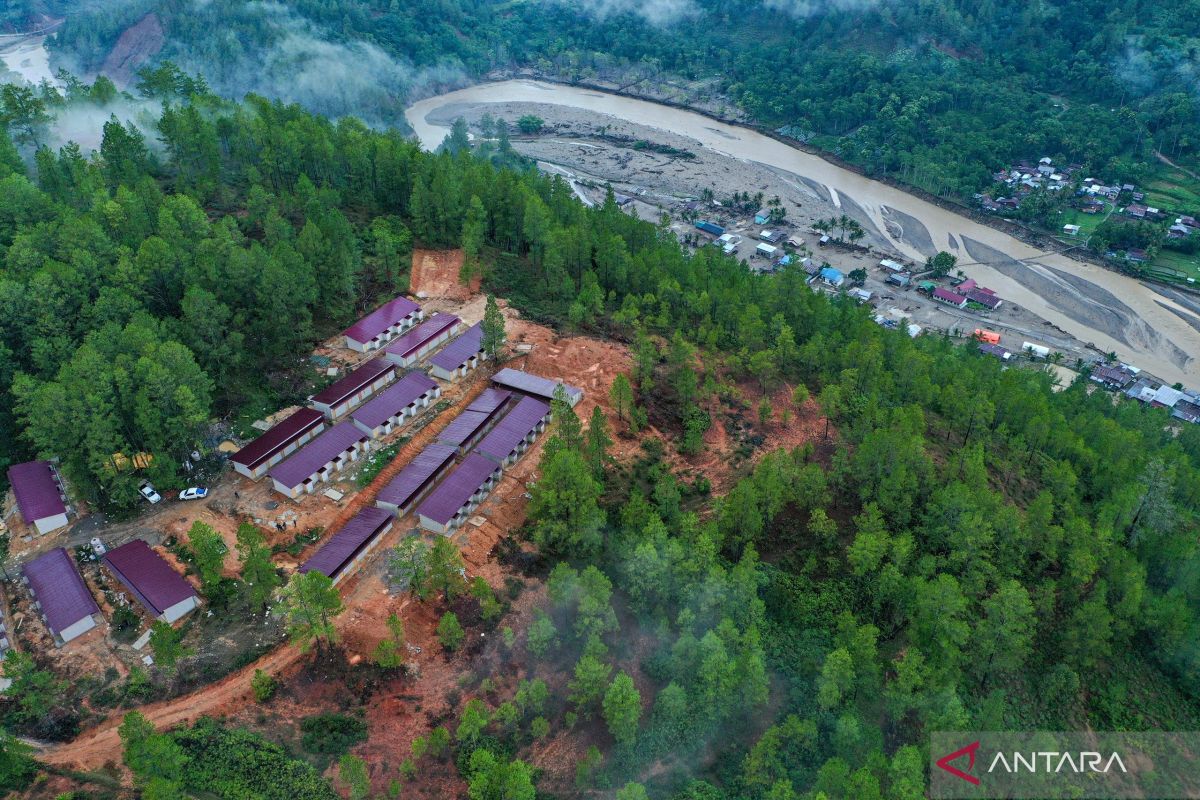
Problems in Tetingi Village serve as an important reflection in the broader process of rehabilitation and reconstruction in Aceh. Jakarta (ANTARA) - A story of gradual revival is beginning to emerge from the rubble of the flash floods last November, which devastated Aceh. In Tetingi Village, Pantan Cuaca Subdistrict, Gayo Lues Regency, clear signs of reconstruction are visible. Houses are being rebuilt, roads are reconnecting, and the hopes of residents, once washed away, are now blooming again. The government’s efforts go beyond physical rebuilding; they aim to reignite the spirit of life after the November 2025 disaster. Tetingi is an old village located in the valley of the Gayo Highlands. From a socio-geographical perspective, the village, formed over a century ago, developed with a linear settlement pattern stretching along the flow of a river tributary in the Alas River Basin (DAS Alas). This is a common pattern in mountainous areas due to proximity to water sources while maintaining access for their livelihoods, as the majority are farmers. They are accustomed to living in harmony with the exotic yet extreme natural landscape. The coldest temperatures can reach 13-17 degrees Celsius because the area is at an elevation of 800-900 metres above sea level (MDPL). It borders the Alas River, a river with strong rapids that pose high risks—rafting enthusiasts classify it at the highest level (grade IV). Siltation, combined with high rainfall intensity over the week before the disaster, caused the water sources from three upstream rivers in the Leuser Mountains to overflow violently, suddenly striking the settlements in Tetingi Village. The entire village population of 418 souls became affected victims. They were temporarily isolated. There were no places to live because houses were damaged, road access was cut off, and the electricity network was down. They could only shelter in wooden huts amid dense lemongrass plants and the pine trees they cultivated. They survived relying only on the clothes on their bodies and the embers of campfires to keep warm. Fortunately, help arrived less than 10 days after the disaster. This is considered quick compared to other affected areas. This situation is inseparable from the government’s success in opening an alternative road. The road that cuts through the cliff has become the main access for the community, replacing the main village connecting road via Blangjerango, an eight-kilometre road that collapsed and was buried in landslides. Teams of personnel from various units arrived, repairing collapsed bridges, including the electricity network. School buildings and health facilities have also been cleared of all flood deposit materials. Over the three months of the emergency response period, almost everything has been fully addressed, bringing peace and tranquillity. Several problems