
Preserving Lives on the Journey Home
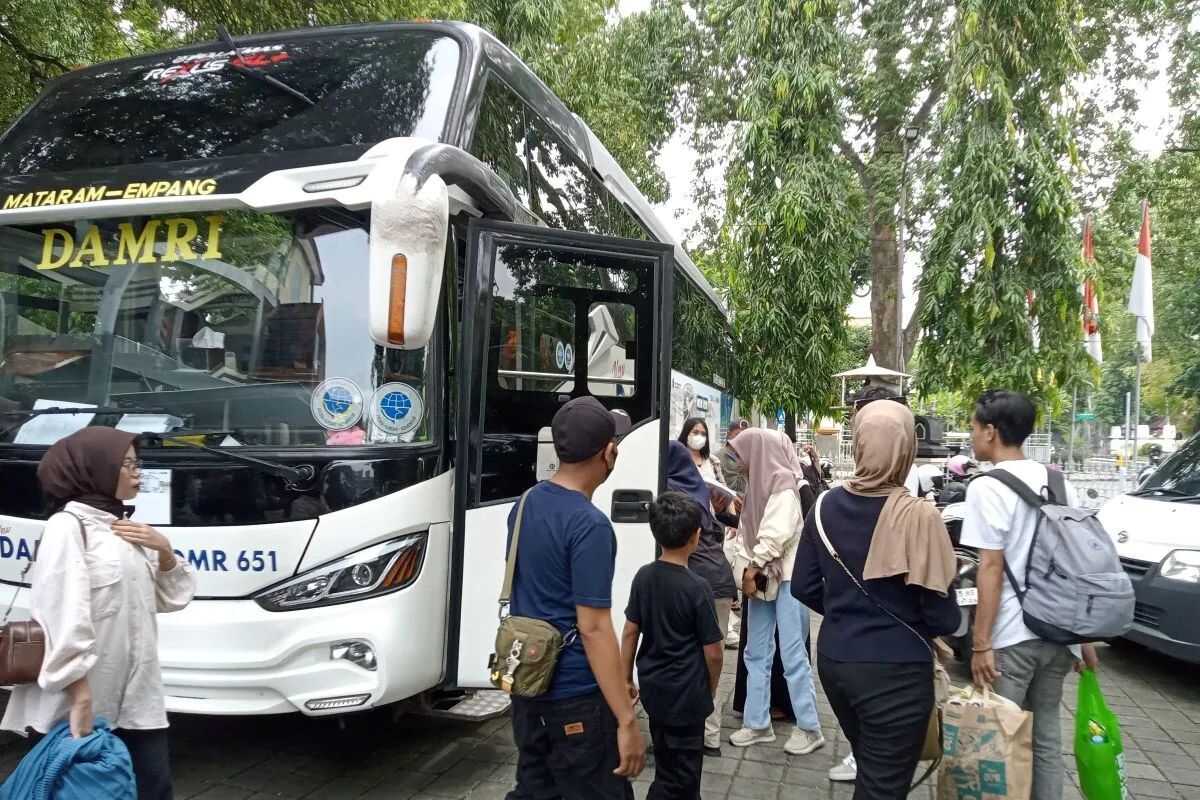
Discounts without safety are a paradox. Affordable prices must go hand in hand with strict safety standards.
Mataram — Every year approaching Eid, the atmosphere in Indonesian cities transforms. Terminals are crowded with people carrying large bags. Ports and airports become spaces where fatigue meets hope. Highways fill with vehicles moving simultaneously towards one destination: home.
The mudik (homeward journey) is not merely a geographical journey, but an emotional one. It transfers longing, reunites families, and revives social bonds that have been separated by distance and work.
In various regions, this pulse is felt differently, but carries similar meaning. In archipelagic areas and provinces stretching across long distances, the complexity is multiplied.
The flow of people does not only traverse land roads, but also crosses the sea and penetrates the sky. Each transportation hub becomes a crucial point that determines whether the journey will be comfortable or fraught with risk.
In West Nusa Tenggara (NTB), this atmosphere finds its own expression. The skies of Mataram approaching Eid bring a distinctive rhythm. Terminals, ports, and airports become hubs of hope. People rush about, carrying bags and stories, exchanging city fatigue for embraces from their home villages.
In the province that unites Lombok Island and Sumbawa Island, mudik is not merely the movement of people from one point to another. It is a social event that unites two islands in the same pulse.
This year, preparations for the mudik of 1447 Hijri have felt earlier and more serious. The central and regional governments are moving quickly. Airline ticket discounts of up to 18 per cent have been announced.
The free mudik programme has been prepared again. Main roads from Ampenan to Sape have been surveyed. Operation Ketupat has been launched with an emphasis on safety. Everything appears promising. However, behind this optimism lies work that must not escape examination.
Mudik is an annual ritual, but its challenges are always new. NTB, stretching nearly 500 kilometres from west to east, with land, sea, and air routes that interconnect, requires precise transportation management.
This is where the state is tested, not merely in its ability to provide fleet capacity, but also in ensuring that every journey ends safely.