
Preparing for 2026 Crisis Threat, Consumers Collectively Buying Out Computers
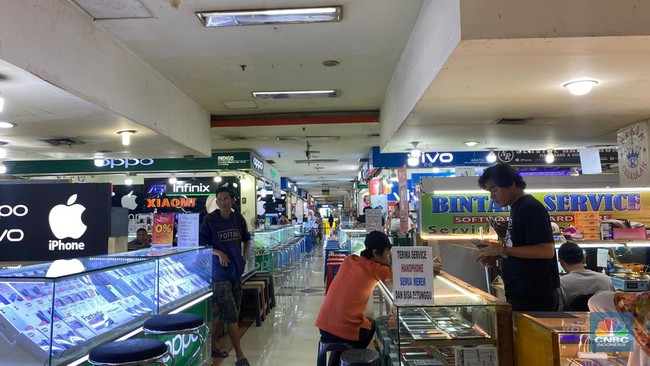
Jakarta – Demand for memory chips has experienced a drastic increase due to the emergence of artificial intelligence (AI) technology. AI chips differ from conventional chips required for developing consumer electronic devices.
Anxiety over memory chip scarcity has driven computer purchasing throughout 2025. This is because a chip crisis is predicted to raise prices for consumer electronics in 2026, including computers, mobile phones, and household appliances.
Chip manufacturers are reported to be prioritising production of high-end memory chips (HBM) for AI, thereby sidelining production of conventional chips for electronic devices. This has caused prices to surge, and electronic device manufacturers face a dilemma: raise retail prices for consumers, or suppress prices whilst failing to offer hardware improvements for new products.
The feared memory chip crisis set to raise electronics prices, coupled with concerns over tariffs from the Donald Trump administration in early 2026, plus the end of support for Windows 10, are considered to be driving factors in increased computer sales throughout 2025.
Research firm IDC reported PC shipments grew 9.6% year-on-year in the fourth quarter (Q4) 2025 to 76.4 million units. Meanwhile, total PC shipments throughout 2025 increased 8.1% compared to 2024, totalling 284.7 million units.
Lenovo remained market leader, recording 14.5% year-on-year growth and capturing 24.9% market share, equivalent to 70.8 million PC shipments.
HP ranked second with 8.4% year-on-year growth and a 20.2% market share. A total of 57.5 million PCs were shipped throughout 2025.
Dell Technologies came in third with modest 5.2% year-on-year growth, holding 14.4% market share and shipping 41.1 million PCs.
Apple and Asus respectively occupied fourth and fifth positions. Each recorded double-digit growth, with Apple at 11.1% year-on-year and Asus at 13.4% year-on-year.
Apple captured 9% global market share, whilst Asus held 7.2%. A total of 25.6 million Apple PCs were shipped, whilst Asus shipped 20.5 million throughout 2025.
Crisis Looming in 2026
PC manufacturers may “celebrate” throughout 2025 due to significant growth. However, the PC market is predicted to face pressure due to the memory chip crisis in 2026.
According to reports, it is likely that average PCs will arrive with lower specifications due to memory chip scarcity. Manufacturers will also utilise remaining component reserves and raise average selling prices (ASP).
Major brands such as Lenovo, Apple, and HP are expected to navigate the crisis and leverage their scale and memory allocation to capture market share from smaller and regional vendors, making it increasingly difficult for smaller brands to survive in the market.
Jean Philippe Bouchard, VP of IDC Worldwide Mobile Device Trackers research, stated: “IDC anticipates the PC market will be very different within the next 12 months given how rapidly the memory situation is evolving.
“Beyond the clear pressure on system prices, which has been announced by some producers, we may also see average PC memory specifications reduced to preserve existing memory supplies. Next year appears to be highly volatile,” he said.
Meanwhile, Jitesh Ubrani, Research Manager at IDC Worldwide Mobile Device Trackers, cited that memory scarcity impacts the entire industry, and its effects are likely to reshape market dynamics over the coming two years.
“Large consumer electronics brands are well positioned to leverage their scale and memory allocation to capture market share from smaller and regional vendors. However, the concerning aspect is that this scarcity increases the risk that smaller brands may not survive, and consumers, particularly DIY enthusiasts, may postpone purchases or redirect their spending towards other devices or experiences,” he said.