
Premium Hotels in Bali Adopt Rooftop Solar Power as Energy Security Becomes a Priority
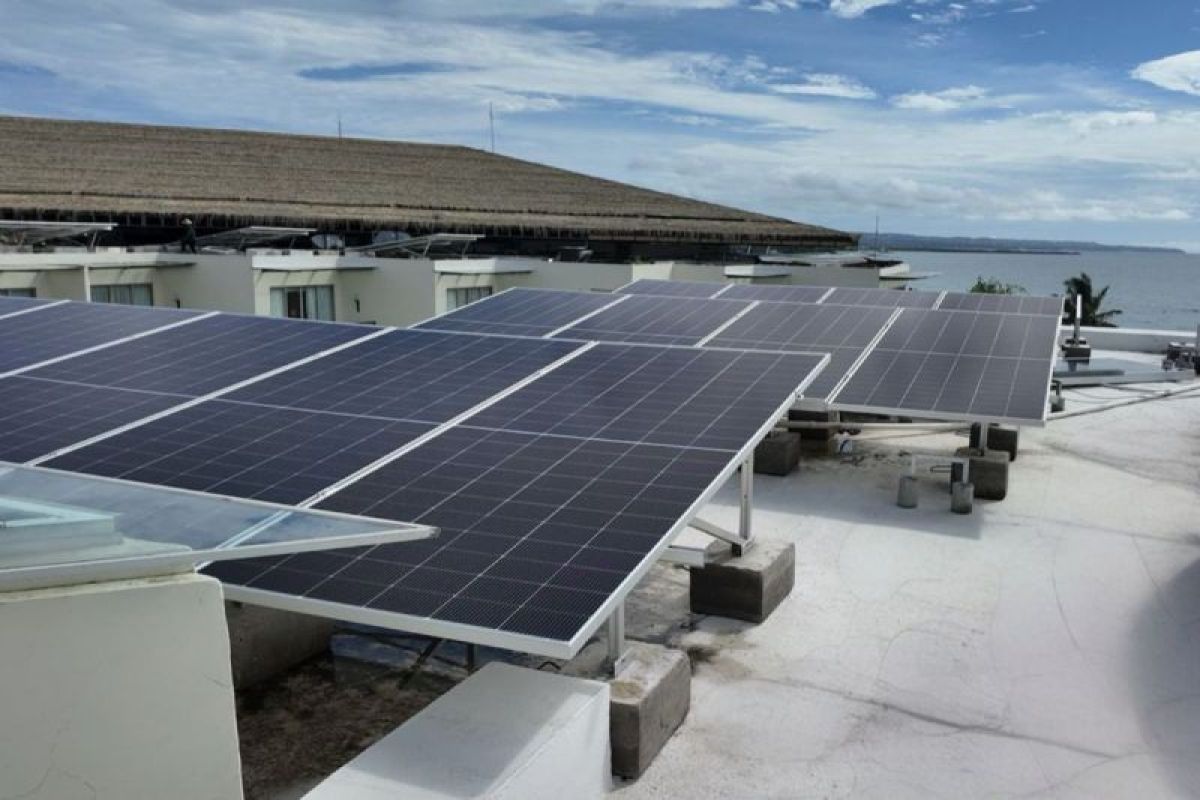
In line with ongoing volatility and uncertainty affecting the global energy market, Bali’s tourism sector is beginning to implement energy strategies as a key component of long-term business resilience. A number of premium hotels on the island of the gods are now accelerating rooftop solar photovoltaic (PV) installations, not only to meet sustainability targets but also to reduce risks from energy supply and price volatility.
One example of this transition is the rooftop PV system recently completed at a premium international resort in Bali developed in collaboration with Greenvolt Power Indonesia. The system has an installed capacity of around 323 kilowatt-peak (kWp) and contributes to the rooftop PV adoption trend in the Bali hotel sector.
“We are seeing a structural shift in how the hospitality sector views energy,” said Bobby Benly, Head of Business Development at Greenvolt Power Indonesia. “This is no longer just about cost efficiency; it’s about energy resilience, meeting global standards, and addressing the expectations of travellers who are increasingly taking sustainability into account when choosing a destination and accommodation.”
Through rooftop PV utilisation, operators of premium hotels can diversify their energy mix with renewable energy, while reducing reliance on fossil-fuel-based electricity. This helps cushion the indirect impacts of geopolitical instability on energy supply and electricity prices.
This trend also mirrors broader changes in the global tourism industry. External factors, such as geopolitical conflicts and fuel price volatility, are no longer merely long-term risks, but operational challenges to be anticipated from the outset.
Furthermore for Bali, the demand to reduce dependence on fossil energy is increasingly urgent. Bali still relies on electricity supply from outside the island, while electricity demand continues to rise by about 14–16 percent per year, according to estimates from the Bali Provincial Government.
Indeed, Bali has great solar energy potential, even though utilisation is not optimal yet. Data from the Institute for Essential Services Reform (IESR) suggests Bali’s rooftop PV potential is estimated at 3.3 to 10.9 GW, while its utilisation as of 2025 remains below 1 percent.
Nevertheless, Bali’s government policy direction also increasingly supports accelerating the transition to clean energy. Since 2019, the Bali Provincial Government has issued regulations that promote rooftop PV adoption across sectors, from government, accommodation and tourism, to private or commercial sectors.
In an official statement published on the Bali Provincial Government’s website in May 2025, Bali Governor Wayan Koster stated energy independence is a strategic necessity for Bali. “Bali energy independence cannot be negotiated any longer. It is about sovereignty and the future of our island, which notably does not have coal or other oil and gas resources. One concrete solution that can be implemented immediately is the mass utilisation of rooftop PV,” said Koster.
Beyond energy resilience, market pressure is also driving this trend. Hotels in Indonesia now face demands from various sides, from global parent company commitments, investors, regulators, to travellers. From travellers’ perspective, Booking.com’s Sustainable Travel 2025 research shows 93 percent of respondents actively consider more sustainable travel options when deciding to travel. The survey involved 32,000 travellers from 34 countries, including Indonesia.
All these dynamics signal that the adoption of renewable energy in Bali’s tourism sector is being driven by risk management needs as well as market pressures. As geopolitical uncertainty grows and sustainability expectations rise, energy becomes a priority rather than just an operational issue in maintaining business competitiveness.
However, the energy transition in Bali’s tourism sector will not be enough if it relies on only a few single projects. To realise tangible energy resilience, closer collaboration among industry players, investors, and policymakers is required.