
Pregnant Women Must Know: The Fatal Impact of the Measles Virus That Can Cross the Placenta
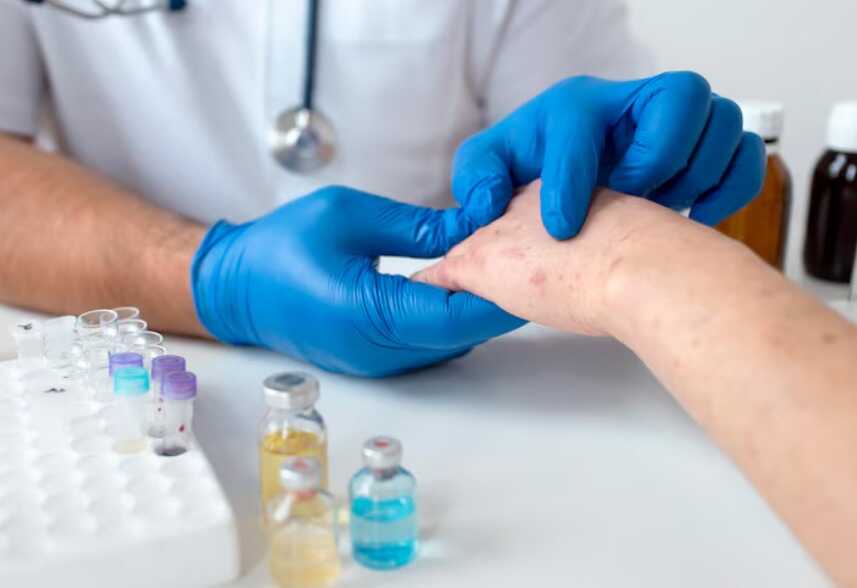
Measles, often thought of as a childhood illness, can pose a serious threat to the safety of the fetus for pregnant women. In 2026, awareness of maternal health is rising, particularly in addressing diseases that are preventable through immunisation.
Measles is caused by a virus in the Paramyxoviridae family and is highly contagious, spreading through droplets. For pregnant women who lack immunity, the virus can attack the mother’s respiratory system and also has the dangerous ability to cross the placental barrier.
During pregnancy, a woman’s immune system naturally changes to accommodate the developing fetus. This reduced immunity makes pregnant women more susceptible to infection, with symptoms often more severe than in other adults. If a mother has never received the MMR (Measles, Mumps, Rubella) vaccination or has never been infected before, the risk of complications increases many times.
The impact of measles depends on when during pregnancy the infection occurs.
Pregnant women should seek medical consultation promptly if they experience any clinical symptoms.
The MMR vaccine contains a live attenuated virus and is not recommended during pregnancy. Immunisation should occur before pregnancy begins.
Prompt medical consultation is advised. A doctor may administer a prophylactic treatment in the form of an immunoglobulin injection to bolster the mother’s antibodies instantly to safeguard the fetus.
German measles (Rubella) has milder symptoms in the mother, but its impact on the fetus can be far more fatal, including the risks of cataracts, deafness, and permanent heart damage (Congenital Rubella Syndrome).
Prevention is key. Here are steps that can be taken:
Maintaining health during pregnancy is the best investment for the future of the child. If any signs are suspected, do not delay seeking professional medical help.
Be aware of the signs of measles in children—from high fever, cough and cold, red eyes, to the characteristic rash that spreads from the face to the body. Public health campaigns underline the importance of vaccination, including MR (Measles-Rubella) immunisation schedules and appropriate management to prevent complications.
Measles is not only dangerous because of the risk of complications, but also because of its high contagion.
Measles is still often regarded as a mild infection in children that can recover on its own. However, the Indonesian Pediatric Association (IDAI) says otherwise.
Low immunisation coverage in several regions is seen as a key driver of rising measles cases, sometimes culminating in an outbreak.