
Pratikno: The "sandwich" generation that must remain productive still has its limits
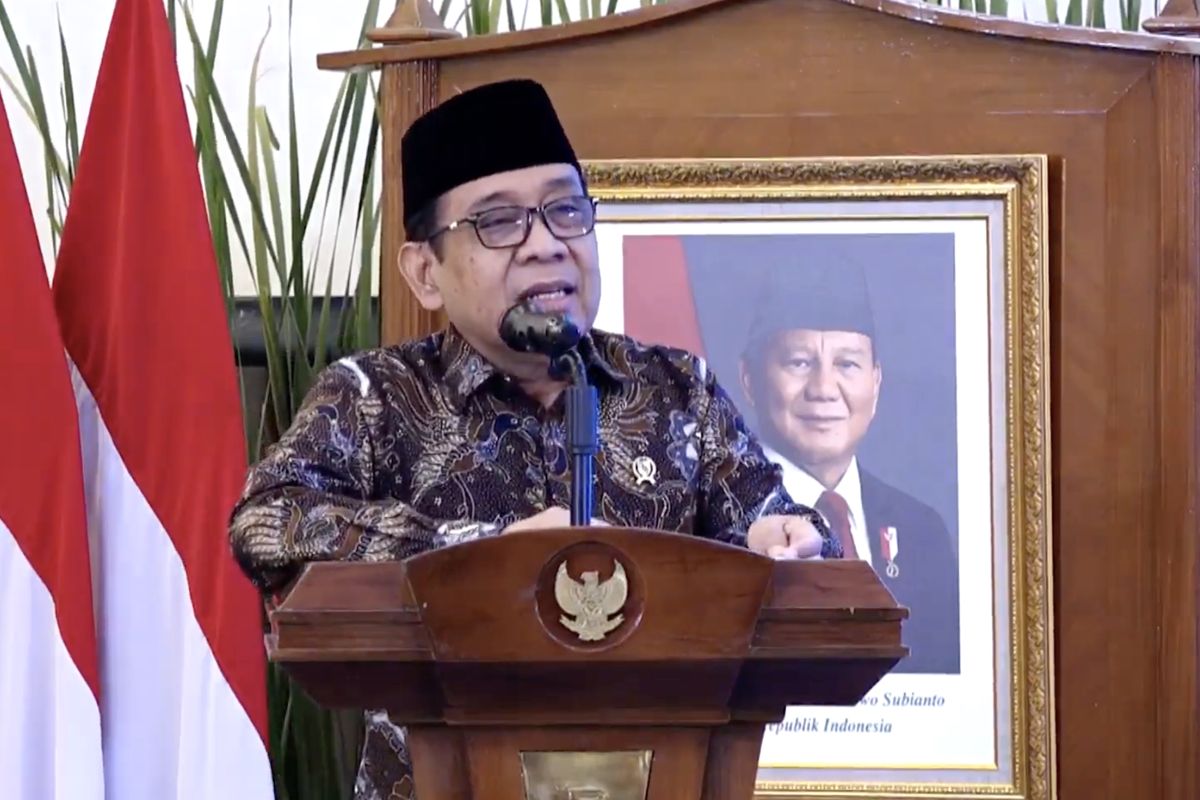
Coordinating Minister for Human Development and Culture (Menko PMK) Pratikno stated that the sandwich generation, which must remain productive, still has its limits. “So, the sandwich generation also has limitations. The sandwich generation must be productive. If not, it cannot support those below and cannot support those above. But the capacity of the sandwich generation also has limits,” he said during the Dialogue Towards Intergenerational Welfare at the Bappenas Building in Jakarta on Monday. For this reason, he believes that National Transfer Accounts (NTA) are needed as a tool to measure the flow of economic resources across ages in Indonesia’s “big family” by mapping interactions between children (consumers), the productive age group (sandwich generation), and the elderly (post-retirement) through taxes, family, and assets. The use of NTA is intended to avoid policies based on feelings, thereby allowing for accurate determination of priorities between children’s education needs and elderly healthcare. This measuring tool also ensures that the economic burden on the sandwich generation is not too heavy by balancing the distribution of development benefits for all age groups, as well as identifying the most urgent and high-impact investments by ensuring that every rupiah of the budget is used wisely for citizens’ quality of life. “This speaks to Indonesia’s future public policies about our children, about our parents, about us who will grow old. So, if we illustrate it, in our daily lives we must certainly ask who actually pays for our children to go to school. It could be parents, a combination with the government and also the community. Who pays for hospital care for our grandfathers? Who works to earn money?” said Pratikno. “The productive generation is the sandwich generation, the squeezed generation because it must produce, then bear the burden of children, but at the same time also bear the burden for parents. Therefore, it is very risky if we cannot manage public policies well up to (optimising the demographic bonus, strengthening the public transfer system, encouraging asset-based reallocation, and anticipating the ageing population,” he explained. “Nationally, we can create aggregates, but regional policies might differ. For example, in certain areas, there might be more focus on children’s education and so on, but in other areas, it might be more focused on preparing elderly clinics, hospitals, and so on, social assistance for parents, and the like,” stated the Coordinating Minister.