
Pramono supports the capture of pleco fish due to health threats
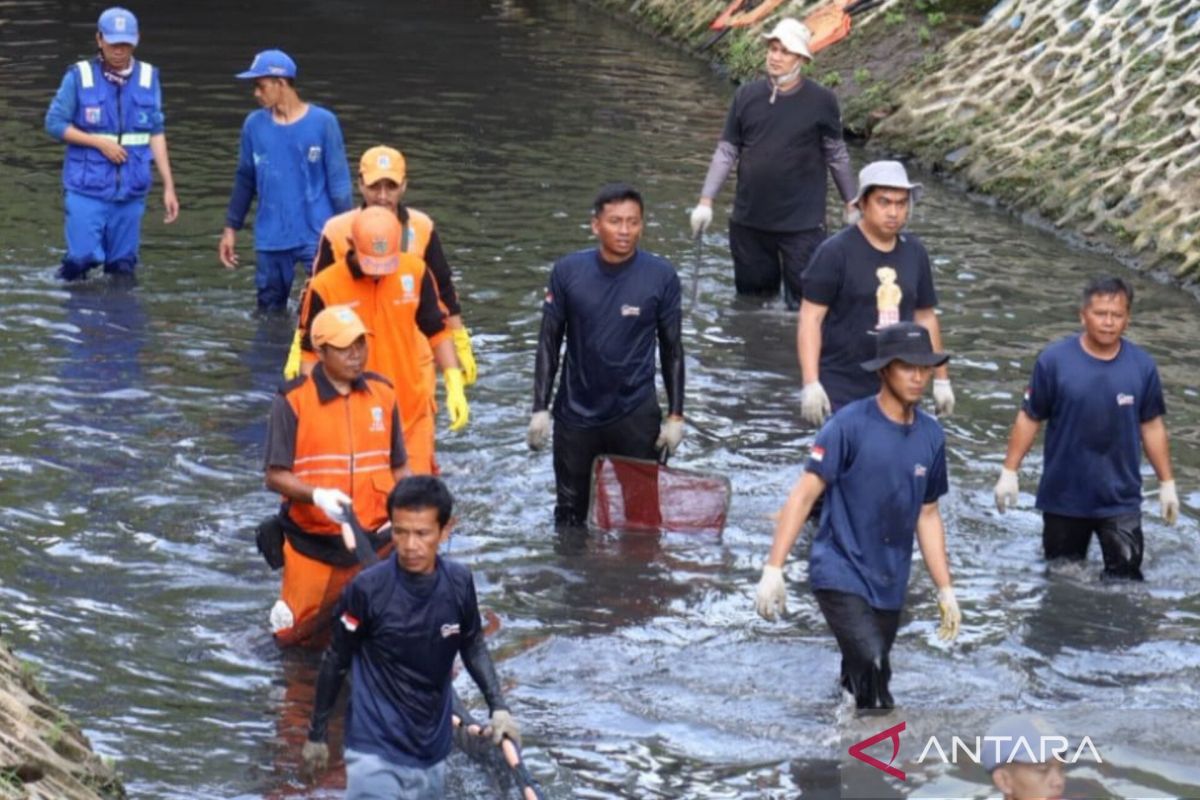
Jakarta (ANTARA) - Jakarta Governor Pramono Anung Wibowo has voiced his support for the capture of pleco fish (ikan sapu-sapu) carried out by the Central Jakarta City Government in collaboration with Public Facilities and Infrastructure Handling Officers (PPSU). This effort is deemed essential to maintain the balance of aquatic ecosystems while protecting the public from potential health risks. “Once again, what was done by the PPSU and the Central Jakarta Mayor yesterday receives appreciation from the DKI Jakarta Provincial Government,” Pramono said at Lapangan Banteng, Central Jakarta, on Saturday. Pramono revealed that he directly followed the pleco fish capture activity conducted in the capital’s central area, specifically around the Grand Hyatt and Plaza Indonesia. The action involved the Central Jakarta Mayor along with PPSU officers. According to him, pleco fish is an invasive species originating from South America with an exceptionally high survival capacity. This fish is known to survive in various environmental conditions and feed on nearly any material around it. “Indeed, this fish migrated from South America. Its body’s resilience is extraordinary; it can live by eating anything,” he stated. However, the fish’s ability to consume various types of materials raises serious concerns. This condition could lead to the pleco fish meat becoming contaminated with hazardous substances, making it unsafe for public consumption. In addition to health impacts, the presence of pleco fish is also seen as threatening the preservation of local aquatic ecosystems. According to him, if the population of this fish is not controlled, it will disrupt the existence of native fish such as wader fish and other species. “If left unchecked, the other fish will disappear. Wader and so on will certainly disappear,” he said. On that basis, the DKI Jakarta Provincial Government supports massive handling measures to reduce the pleco fish population in the capital’s waterways. This step is considered part of efforts to maintain environmental balance while protecting local biodiversity. Pramono also expressed appreciation to the city government apparatus and PPSU officers who acted swiftly in carrying out the capture, hoping similar steps can be consistently implemented in various parts of Jakarta. Moving forward, the DKI Jakarta Provincial Government plans to strengthen invasive species control measures, including pleco fish, through cross-agency collaboration and increased public awareness. This effort is expected to maintain the quality of aquatic environments and ensure the sustainability of ecosystems in Jakarta. Previously, the Central Jakarta Administration City Government (Pemkot) collaborated with the DKI Jakarta Provincial Food Security, Maritime, and Agriculture Office (KPKP) to conduct a community work capture of pleco fish in the Cideng canal, in front of Plaza Indonesia, Gondangdia Ward, Menteng Subdistrict, on Friday (10/4). Head of the KPKP Office of the DKI Jakarta Provincial Government, Hasudungan A Sidabalok, stated that the pleco fish problem is not new and had previously been resolved in the Ciliwung River. “During the pleco fish cleaning in the Ciliwung River, we took samples of the fish and water, and it turned out that the pollutant threshold exceeded; the fish contained Salmonella as well as E. coli and heavy metal residues,” said Hasudungan. Hasudungan continued that after cleaning and capture, the pleco fish would then be taken to the Ciganjur Fish Products Inspection and Certification Centre (PPISHP). “The carcasses of the dead pleco fish will be buried because this fish’s resilience means that if not ensured dead, it can survive without being in water,” he said. In this community work, 100 combined personnel were deployed, including the Water Resources Sub-Directorate, Satpol PP, Environment, PPSU, and Gulkarmat. The total number of fish caught was around 40, which were killed by breaking their bodies and then buried.